Emergency Dentistry
Broken Tooth Emergency Repair Cost: From £100 Chips to £2,500 Disasters


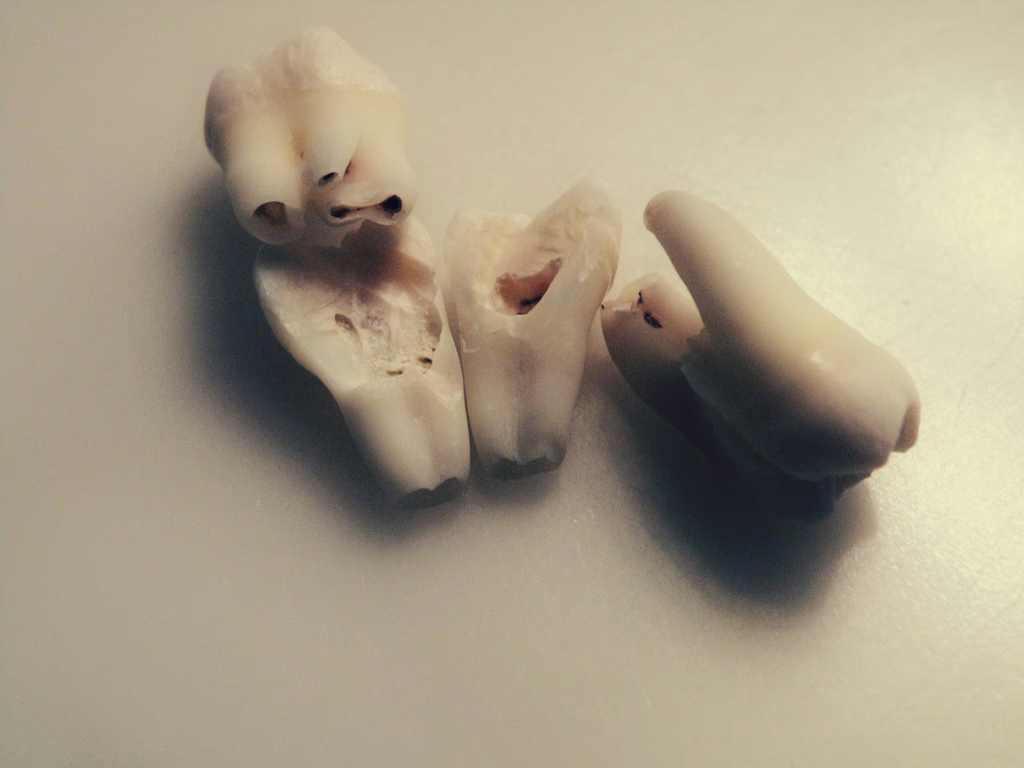
Your tooth just broke. Maybe you bit down on an olive pit, maybe you caught an elbow playing five-a-side, or maybe it just gave up after years of warning you with little twinges. Whatever happened, you're now running your tongue over something sharp that definitely wasn't there five minutes ago.
The good news is that most broken teeth can be fixed. The bad news is that "fixed" covers everything from a £100 patch job to a £2,500 reconstruction that would make a structural engineer weep. What you'll pay depends entirely on how much tooth you've got left and how important that tooth is to your face.
If you've broken a tooth tonight, here's the short version: get it seen today rather than sitting on it, because a sharp edge and an exposed nerve only get more painful and more expensive the longer they wait. An emergency assessment with us at UrgentCare Dental is £20, and that gets you seen the same day, the tooth X-rayed, and a firm, no-surprises price before anyone touches anything, with that £20 coming off the cost of the repair if you decide to go ahead.
If what you're really after is the full menu of repair prices, from a quick polish right up to a full crown, we've laid every option out side by side in our guide to chipped or broken tooth repair cost. Below, though, let's walk through what actually decides which end of that range your particular break lands on.
The Break Types and Their Price Tags
A tiny chip off the corner costs £100-200 to smooth down or patch with composite. These are the lucky breaks, the ones where you notice something's wrong but nobody else would. The dentist spends twenty minutes with what's essentially dental sandpaper and super glue, and you're back to normal. If it's a front tooth, they'll take more care matching the colour, but it's still the same basic process.
When you've lost a proper chunk but the nerve's still safely buried, you're looking at £200-400 for composite bonding. This is where dentistry becomes sculpture. They rebuild the missing part with tooth-coloured resin, cure it with UV light, and shape it to match what was there before. Front teeth take longer because aesthetics matter. Back teeth are simpler because nobody's looking at your molars on Instagram.
The price jumps when you've broken enough tooth to expose the nerve. Now you need emergency pulp capping at £300-500 to cover and protect that exposed nerve, and that's just the start. If the nerve dies anyway, which happens about half the time, you're heading into root canal territory at another £600-1,400. The initial emergency repair becomes a down payment on much more expensive treatment.
Vertical cracks that run down into the root are where things get properly expensive. If the crack's above the gum line, you might get away with a crown at £600-1,200. Below the gum line? The tooth's probably doomed. Extraction runs £150-400, then you're looking at implants or bridges to fill the gap. That's when your £500 emergency appointment becomes a £3,000 treatment plan.
The Geography of Dental Disasters
London emergency dentists charge £400-600 for substantial broken tooth repairs that would cost £250-350 in Manchester or Birmingham. It's not that London teeth are harder to fix. It's that London rents mean every minute in the chair costs more. A Harley Street practice repairing your broken molar charges the same hourly rate whether they're doing complex reconstruction or basic filling work.
The real geographic lottery isn't just about price though. It's about who's actually available when your tooth explodes at 9pm on Saturday. Central London has multiple 24-hour dental services fighting for emergency patients. Try finding emergency dental care in rural Norfolk at midnight and you'll understand why people drive two hours to Norwich with a tea towel full of ice pressed against their face.
Scotland consistently offers better value for emergency dental work, with Glasgow and Edinburgh charging about 20% less than equivalent English cities. Belfast goes even cheaper, though with fewer emergency options. The general pattern holds everywhere: city centres cost more but offer immediate treatment, suburbs make you wait but charge less, and rural areas might send you on a three-hour round trip to find anyone willing to look at your broken tooth outside office hours.
Why Friday Night Breaks Cost More
Timing matters enormously for broken tooth repairs. Break a tooth at 10am on Tuesday and you'll pay standard rates, maybe £200-300 for a decent repair. Break the same tooth at 10pm on Friday and you're looking at £400-500 for the same work, if you can find anyone to do it at all.
Weekend emergency rates run 50% higher than weekday rates. Bank holidays add another 30% on top. Christmas Day? One London practice charges £800 just for the consultation, before any actual repair work. They know you're not shopping around with half your tooth missing on Christmas morning.
The cruelest part is that teeth seem to know when it's inconvenient to break. Every dentist has stories about patients whose troubled tooth held on through months of mild discomfort only to explode the night before a wedding, job interview, or flight to Australia. There's probably no conspiracy among teeth to ruin important events, but the pattern is suspicious enough to make you wonder.
The Temporary Fix Trap
Most emergency appointments don't permanently fix broken teeth. They stop the pain, prevent infection, and make you look presentable enough for work on Monday. The temporary filling or bonding they use costs £150-300 and lasts about as long as you'd expect something called "temporary" to last.
The real repair comes later, when you're not crying and they have proper time to do the job right. That's another £400-800 for permanent restoration, assuming no complications arose between emergency appointment and proper fix. Some people try to stretch temporary repairs for months to avoid the second cost. This is like using duct tape on a burst pipe. It works until it catastrophically doesn't.
Emergency dentists are quite open about this if you ask. They're stabilizing the situation, not solving it. Think of emergency tooth repair like emergency roadside assistance. They'll get you moving again, but you still need to visit a proper garage. The difference is that ignoring car problems might leave you stranded. Ignoring tooth problems leaves you in agony with a face like a football.
What Makes Some Breaks More Expensive
The location in your mouth matters more than you'd think. Front teeth cost more to repair aesthetically but are structurally simpler. Back teeth are structurally complex but aesthetics matter less. The sweet spot for expense is upper premolars, visible enough to need cosmetic work but complex enough to require serious reconstruction.
How you broke it affects the price too. Clean breaks from trauma are easier to fix than teeth that crumbled from decay. Sports injuries get straightforward treatment plans. Teeth that broke because they were mostly filling already require creative engineering solutions. The dentist has to work with what's left, and sometimes what's left isn't much.
The worst scenarios involve multiple breaks. Bar fight victims and car accident survivors often present with several broken teeth at once. Emergency dentists typically fix the worst one first to stop immediate pain, then create a treatment plan for the rest. Three broken teeth don't cost three times as much as one, but they don't get a bulk discount either. Figure on about 80% of the per-tooth cost once you're past the first one.
When Extraction Makes More Sense
Sometimes the economics are simple. Repairing a badly broken molar might cost £800 for the emergency fix, £1,200 for a root canal, and £1,000 for a crown. That's £3,000 to save a tooth. Extraction costs £200-400, and while you'll eventually want an implant at £2,200, you can live with a gap for a while if it's not visible.
The calculation changes with age and position. A broken front tooth in a 25-year-old gets repaired at almost any cost because they've got sixty years of smiling ahead. The same break in a back tooth of a 70-year-old might just get pulled. It's not age discrimination, it's practical mathematics.
Dentists won't always volunteer the extraction option, especially if the tooth is technically salvageable. They're trained to save teeth, and honestly, they make more money from complex repairs than simple extractions. But if you ask directly whether extraction makes more sense, most will give you an honest assessment. The good ones will even look slightly relieved that you brought it up.
Insurance and Payment Reality
Dental insurance treats broken teeth strangely. If you break it in an accident, that's covered. If it breaks while eating, that might be covered. If it broke because you've been ignoring a crack for two years, that's definitely not covered. The same broken tooth, the same repair needed, but completely different insurance responses based on the story behind the break.
Most emergency repairs exceed insurance annual limits anyway. Typical UK dental insurance caps at £1,000-2,000 per year. A properly broken tooth requiring emergency treatment, root canal, and crown burns through that in one go. The insurance helps, but it's not solving your problem.
Payment plans for emergency work barely exist. Emergency dentists want payment immediately. They'll take card, sometimes cash, never cheques. If you need financing, you're applying for generic medical loans at 9.9% APR or putting it on a credit card. The natural payment split happens when emergency and permanent repairs are separate appointments, but that's convenience, not credit.
The Realistic Outcomes
Most broken teeth get successfully repaired and last for years. Modern dental materials are impressive. Composite bonding that costs £300 today might last a decade with care. Crowns go fifteen to twenty years. Even emergency patches, if done well, can surprise everyone by lasting far longer than intended.
The failures tend to be spectacular though. Repaired teeth that break again usually break worse. The second repair costs more and works less well. By the third break, you're usually looking at extraction. It's like replaying a video game level where the difficulty increases each time you die.
The happiest outcomes involve people who break a tooth, get it properly fixed immediately, and never think about it again. The unhappiest involve multiple emergency visits, escalating costs, and eventual extraction anyway. The difference often comes down to whether someone could afford proper repair after the emergency stabilization. Dental problems compound like interest. The longer you leave them, the more expensive they become.
Your broken tooth needs attention now, not because dentists want to scare you, but because teeth don't heal themselves. That sharp edge will stay sharp. That exposed nerve will stay exposed. The only variable is whether you fix it today for £300 or next month for £1,000 after an infection has made everything more complicated. The good news is that getting seen is the cheap part: an emergency assessment with us is £20, and you get a firm price for whatever repair your tooth turns out to need before anything happens. Emergency tooth repair costs what it costs. Delaying just adds zeros to the bill.
Broken tooth or lost filling? Usually a quick fix.
£20 emergency appointment today. These are among the quickest repairs we do, and you'll know the exact price before anything starts.
Or see every emergency treatment, with prices →