Dental Implants
Dental Implant vs Bridge Cost Comparison: The Real 10-Year Math


You're missing a tooth and facing two quotes. The implant: £2,200. The bridge: £1,500.
The bridge looks like the smart money choice. It's £700 cheaper. You get your tooth back either way. Case closed.
Except that's not how this math works. Not even close.
The Upfront Numbers
A single dental implant in the UK runs £1,800-3,000. Average is £2,200. That gets you the titanium post, the surgery, and the crown on top.
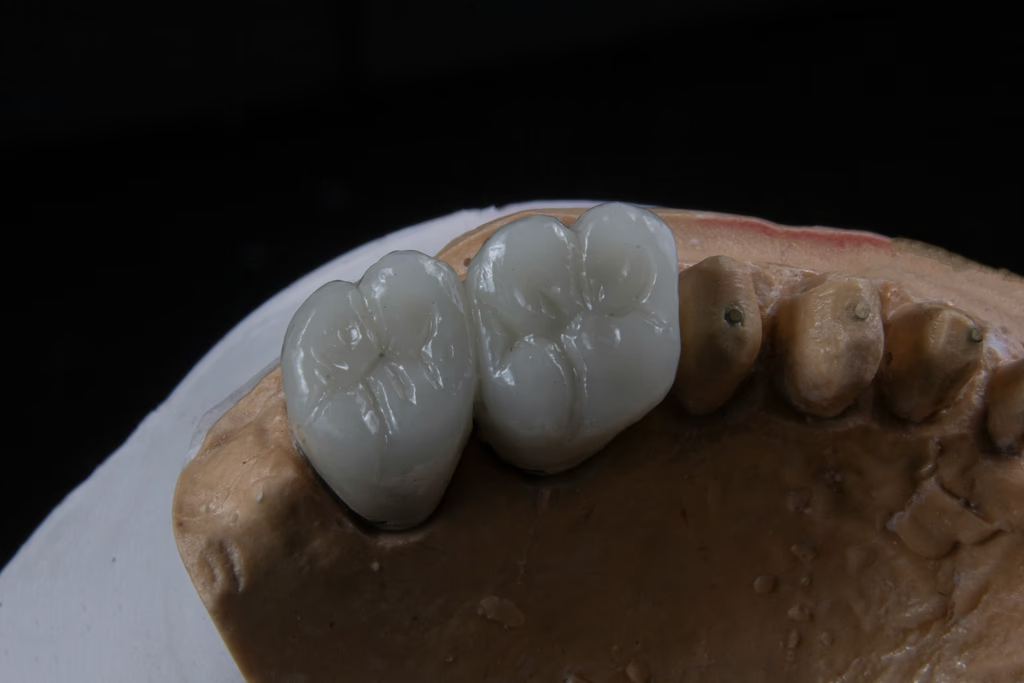
A three-unit bridge (the minimum for replacing one tooth) costs £1,200-2,000. Average is £1,500. That gets you three connected crowns – two on healthy teeth, one fake tooth suspended in the middle.
So yes, the bridge is £700 cheaper on day one. That's where most comparisons stop. That's also where the bridge starts costing you money you haven't calculated yet.
What Actually Happens to the Adjacent Teeth
Here's what your dentist might not emphasize: making a bridge means grinding down two perfectly healthy teeth into little pegs.
They remove 1-2mm of enamel all around. That's 60-70% of your tooth structure. Gone. Forever. Those teeth are now permanently weakened and dependent on crowns for protection.
Studies from the British Dental Journal show 15-20% of teeth prepared for bridges need root canals within 5 years. That's £600-800 per tooth. Your £1,500 bridge just became £2,700-3,100.
Those same studies show bridges last 10-15 years on average. When they fail, it's often because one of those ground-down teeth has decayed under the crown. Now you've lost three teeth instead of one.
The 10-Year Breakdown
Year 0:
- Implant: £2,200
- Bridge: £1,500
Years 1-5:
- Implant: £100/year cleaning = £500
- Bridge: £100/year cleaning = £500
- Bridge: 20% chance of needing root canal = £700 expected cost
Years 5-10:
- Implant: £100/year cleaning = £500
- Bridge: £100/year cleaning = £500
- Bridge: 30% chance of repair/recementation = £200 expected cost
Year 10:
- Implant: Crown replacement (maybe) = £800
- Bridge: Full replacement (probably) = £1,500
10-Year Total:
- Implant: £4,000
- Bridge: £4,400
The "cheaper" option costs more. And that's assuming nothing goes seriously wrong.
When Things Go Wrong (They Will)
Implant failures happen in 5% of cases. When they fail, it's usually in the first year, and most clinics replace them free under warranty. Long-term failure means the implant comes out, you heal, and maybe try again. Total damage: one failed implant.
Bridge failures happen in 35% of cases within 10 years. When bridges fail, you often lose the supporting teeth too. Those healthy teeth you ground down? They're compromised forever. Decay gets under the crowns. The roots crack from the extra force. Now you need three implants instead of one.
The worst part? You can't just keep replacing bridges forever. Each time you remake one, you lose more tooth structure. Eventually, there's nothing left to crown.
The Bone Loss Nobody Mentions
Lose a tooth and your jaw bone starts disappearing immediately. 25% bone loss in the first year. 40% after three years. 60% after ten years.
An implant stops this. The titanium post acts like a tooth root, telling your body to maintain the bone. Your face shape stays the same. The adjacent teeth stay stable.
A bridge ignores this problem. The bone under the fake tooth keeps dissolving. After 10 years, you've got a visible dent in your jaw. If you want an implant later, you'll need bone grafting first. Add £800-1,500 to that future implant cost.
The Daily Reality Comparison
Living with an implant: It's a tooth. You brush it, floss around it, forget it exists. Bite force is 95% of natural teeth. Eat whatever you want. No special cleaning tools. No weird sensations.
Living with a bridge: It's three connected teeth with a fake tooth hanging in the middle. Food gets stuck underneath. You need special floss threaders or water flossers to clean under it (£30-80 for the tools). The fake tooth feels fake because it doesn't connect to your jaw. Bite force is 70% of natural teeth on good days.
The Aesthetic Timeline
Implants look better over time. The crown might need replacing after 10-15 years, but the gum and bone stay healthy. The replacement crown goes on the same implant. No additional surgery.
Bridges look worse over time. The gum under the fake tooth shrinks away, leaving a dark gap. Food gets visibly stuck. The margins of the crowns start showing as your gums recede. By year 10, everyone can tell you have a bridge.
Insurance and Finance Reality
Dental insurance in the UK caps at £2,000-3,000 annually and rarely covers implants. Bridges? Sometimes covered at 50%. Sounds like bridges win.
Except insurance also doesn't cover bridge failures, root canals on bridge teeth, or the implants you'll need when the bridge takes out three teeth instead of one.
Finance options are identical for both. 0% APR for 12 months, then 9.9% after. The monthly payment difference between a £2,200 implant and £1,500 bridge? About £29. Less than your Netflix subscription.
Age and Time Factors
Under 30? Get the implant. You've got 50+ years to live with this decision. Grinding down healthy teeth at your age is borderline malpractice.
30-50? Still get the implant. Bridges might last 15 years if you're lucky. You'll need 2-3 bridge replacements in your lifetime. That's £4,500-6,000 plus whatever disasters happen to those ground-down teeth.
50-70? The math still favors implants, but bridges become more reasonable. One bridge might last you.
Over 70? Honestly, either works. The 10-year math matters less than the 6-month recovery. Pick based on your health, not the spreadsheet.
The Geographic Cost Difference
| Location | Implant Cost | Bridge Cost | 10-Year Difference |
|---|---|---|---|
| London | £2,800-3,500 | £1,800-2,500 | Implant saves £800 |
| Manchester | £2,200-2,600 | £1,400-1,800 | Implant saves £600 |
| Birmingham | £2,000-2,400 | £1,300-1,700 | Implant saves £500 |
| Small towns | £1,800-2,200 | £1,200-1,500 | Implant saves £400 |
The more expensive the area, the more implants save you long-term. London bridge replacements cost fortune.
Special Situations That Change Everything
Missing multiple adjacent teeth? Bridges make more sense. Two implants cost £4,400. A four-unit bridge costs £2,000. The math flips.
Bone loss already severe? Might need grafting for an implant (add £800). Bridge works on bad bone. Sometimes the "worse" option fits the situation.
Ground-down teeth already exist? If those adjacent teeth already have crowns or large fillings, the bridge sacrifice means less. You're not destroying virgin teeth.
Front teeth? Aesthetics matter more. Implants win because the bone and gum stay natural. Bridges develop that telltale dark line.
The Decision Matrix
Get an implant when:
- Adjacent teeth are healthy
- You're under 60
- You can afford the upfront cost
- The bone is adequate
- You want a permanent solution
Get a bridge when:
- Adjacent teeth need crowns anyway
- Multiple teeth are missing
- Bone grafting would be extensive
- You genuinely can't afford the implant
- Medical conditions prevent implant surgery
What Dentists Actually Choose
Interesting statistic: when dentists need tooth replacement for themselves, 92% choose implants over bridges. When they recommend bridges to patients, it's usually about the upfront cost, not the clinical superiority.
Ask your dentist what they'd do if it was their mouth. The honest ones admit implants are better. The sales-focused ones push whatever makes them more money that quarter.
The Real Bottom Line
That £700 "savings" from choosing a bridge? It's a mirage. You're not saving money – you're taking out a loan against your other teeth. The interest rate is two healthy teeth ground into pegs and a 35% chance of disaster within a decade.
The implant costs more upfront because it's actually solving the problem. The bridge costs less because it's creating future problems while temporarily hiding the current one.
Ten years from now, the person who got the implant has a tooth. The person who got the bridge has a problem. Usually an expensive one.
The math is clear. The clinical evidence is clearer. The only question is whether you can afford the right solution now, or whether you'll pay more for it later.
Want the real number for your case?
An article can only give you a range. The £20 appointment gets you a fixed quote from a dentist who has actually looked. Extractions from £149, implants £1,999, and 0% finance on treatments over £500.
Or see every price on one page →