Dental Implants
Same Day Teeth Implants Cost: What Immediate Loading Actually Costs

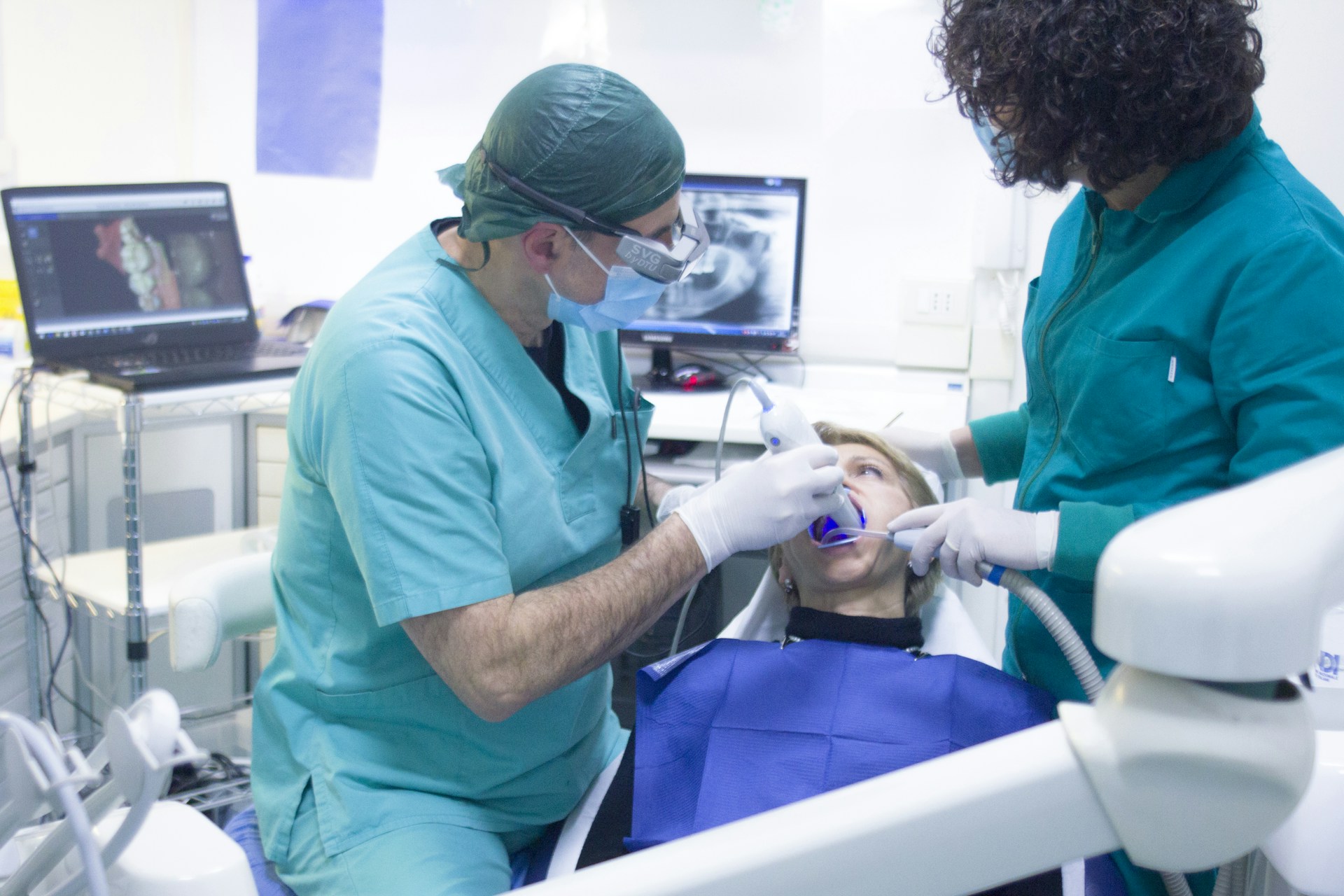
The promise sounds almost too good: walk in with failing teeth, leave the same day with a full set of implant-supported teeth. No waiting period, no temporary dentures, no months of being self-conscious about gaps.
Same-day teeth implants deliver on this promise, but the technology and expertise required push the price higher than traditional staged implant treatment.
Understanding what you're paying for means knowing the difference between immediate temporary teeth and immediate permanent teeth.
The distinction matters because marketing materials often blur these lines deliberately. You need to know what questions to ask.
The Price Reality
Single tooth immediate loading costs £2,200 to £3,500 compared to £1,999 to £2,800 for traditional staged placement. The premium covers additional planning, temporary crown fabrication, and the specific implant designs that allow immediate loading.
All-on-4 same-day teeth run £10,000 to £15,000 per arch. Traditional All-on-4 with a healing period costs £8,000 to £12,000.
The extra expense pays for surgical guides, immediate temporary teeth, and the coordination required to go from failing teeth to fixed teeth in one appointment. You're paying for precision and speed.
At UrgentCare Dental, single implants start at £1,999 for traditional placement. Same-day treatment options require individual assessment because not everyone is a candidate for immediate loading, and pushing the procedure when you're not suitable causes expensive failures.
The candidacy question matters more than most practices want to admit during the sales conversation.
What "Same Day" Actually Means
True same-day dental implants mean you leave with teeth attached to the implants the day of surgery. These are typically temporary acrylic teeth that you'll replace with permanent ones after three to six months.
Some practices advertise "same-day teeth" when they mean "same-day temporary dentures" that aren't attached to the implants at all. This is just conventional immediate dentures with implants underneath them.
The implants don't help the dentures stay in place until the second surgery months later. You're getting regular dentures with marketing spin.
People considering treatment need to know specifically whether the same-day teeth are attached to the implants or just temporary dentures sitting over the surgical site. This distinction reveals whether you're paying for genuine immediate loading or just marketing spin.
The question "Are the teeth attached to the implants on day one?" should get a clear yes or no answer.
The Temporary Teeth Period
Immediate temporary teeth use acrylic rather than porcelain. They're lighter weight to reduce stress on healing implants and easier to adjust when the fit isn't perfect initially.
These temporary teeth typically last three to six months before replacement with permanent restorations. The replacement process costs an additional £800 to £1,500 per arch because you're essentially getting a second set of teeth made.
You're paying twice for teeth. Once for temporary, once for permanent. That's just how the biology works.
Some practices include permanent teeth replacement in the initial quote. Others charge separately. Getting this in writing before committing matters because "same-day teeth" that need £1,200 in additional work six months later aren't the deal they first appeared.
The all-in pricing conversation happens before surgery, not after when you're already committed.
Candidate Requirements Matter
Immediate loading requires adequate bone density and volume. When your bone is too thin or too soft, the implants won't achieve primary stability needed for immediate loading.
This disqualifies about 30% of potential patients. The bone quality threshold is real and measurable, not subjective.
Active infections mean you're not a same-day candidate. The infection needs treatment and healing before implant placement.
Practices that push immediate loading despite infection risk your implant success for their revenue. The pressure to convert consultations into bookings sometimes overrides clinical judgment.
Smoking heavily reduces immediate loading success rates. Some practices require smoking cessation for at least two weeks before and after surgery. Others won't attempt immediate loading on smokers at all because the failure risk is too high.
The smoking conversation reveals a lot about whether a practice prioritizes outcomes or bookings.
All-on-4 Same Day Specifics
All-on-4 same-day treatment places four implants per arch in strategic positions, then attaches a full arch of temporary teeth the same day. The posterior implants angle backward to avoid sinus cavities and maximize bone contact.
The procedure typically takes three to four hours per arch under sedation. You arrive with failing teeth or dentures and leave with fixed teeth that look natural and function immediately.
The psychological impact of that transformation in a single day is significant for most people.
Eating restrictions apply even though you have teeth. Soft foods only for the first six weeks, then gradually introducing harder foods as the implants integrate with bone.
Biting into an apple the day after surgery will damage the implants regardless of how solid the temporary teeth feel. The bone healing process can't be rushed.
Single Tooth Immediate Loading
Replacing a single tooth with immediate loading works best in the lower front jaw where bone density is highest. Molars and upper front teeth have higher failure rates with immediate loading because of different bone characteristics.
The temporary crown attached the same day gets shaped slightly out of your bite to reduce stress on the healing implant. This means the tooth is there for aesthetics but doesn't help with chewing for the first few months.
You have a tooth-shaped placeholder more than a functional tooth.
After three to six months, the temporary crown is replaced with a permanent one that fully participates in your bite. This permanent crown replacement usually costs £400 to £600 on top of the initial implant and temporary crown price.
The Risk Premium
Immediate loading fails more often than traditional staged placement. Success rates run 92% to 96% for immediate loading versus 96% to 98% for traditional placement.
This 2% to 4% difference means roughly one in 25 immediate loading cases requires implant removal and replacement. The statistics matter when it's your mouth.
Failed implants need removal, a healing period, possible bone grafting, and replacement. This failure and correction cycle adds £2,500 to £4,000 to your total cost when it happens.
You're paying more upfront for immediate loading plus accepting higher risk of expensive complications. The convenience premium comes with an insurance cost baked in.
The risk trade-off makes sense for some people. Going months without front teeth affects work and social life enough that the higher cost and slightly elevated failure risk is acceptable.
For back teeth that don't show, the trade-off is harder to justify. Nobody sees your molars except your dentist.
Geographic Price Variations
London practices charge 25% to 40% more for same-day implants than practices outside the capital. A £10,000 All-on-4 same-day procedure in Manchester might cost £14,000 in central London, which is one of several genuine reasons why dental implant prices vary so much across the UK.
The price premium isn't necessarily better results. Lab work happens at the same labs regardless of where your dentist's office is located. You're paying for London operating costs, not superior outcomes.
The central London rent premium gets passed directly to patients.
Dental tourism for same-day implants is risky because follow-up care matters critically. When problems develop, flying back to Turkey or Hungary for adjustments becomes expensive and impractical.
Same-day implants specifically need accessible follow-up care. The savings evaporate when you're buying plane tickets for adjustment appointments.
Insurance Coverage Reality
Most UK dental insurance plans don't cover implants at all. The few that do typically cover traditional staged implants at 20% to 30% but exclude same-day immediate loading entirely because it's considered elective rather than necessary.
Payment plans stretch the cost over 12 to 60 months. Monthly payments for All-on-4 same-day treatment run £200 to £500 depending on the repayment term and interest rate.
People who care more about monthly cost than total interest paid often find better rates this way. The total cost matters less than the monthly hit to cash flow for many budgets.
Some practices offer specific financing for full-arch cases that spreads payments over longer terms than single tooth implants.
The Planning Process
Same-day implants require extensive pre-surgical planning using CT scans and digital planning software. This imaging and planning typically costs £200 to £400 and happens in a separate appointment before surgery.
Surgical guides based on the CT scans ensure implant placement exactly matches the plan. These guides cost £150 to £300 per arch but dramatically increase accuracy and reduce surgery time.
The guide investment pays for itself in precision and speed during the actual procedure.
The temporary teeth are prefabricated based on the surgical plan. This means the teeth are ready to attach immediately after implant placement.
The alternative would be taking impressions during surgery and making you wait days or weeks for the temporary teeth. That defeats the whole point of same-day treatment.
When Traditional Staged Implants Make More Sense
When you need bone grafting, immediate loading isn't possible. The graft needs months to integrate before implant placement. Trying to do everything same-day when grafting is needed guarantees failure.
The biology doesn't care about your schedule or preferences.
Complex cases with multiple missing teeth in different areas often do better with staged placement. The surgical complexity of placing many implants plus trying to attach teeth the same day increases risk without much practical benefit.
Back teeth that don't show when you smile rarely justify the same-day premium. Traditional placement works fine, costs less, and has better long-term success rates.
Saving the immediate loading approach for front teeth where aesthetics during healing matter makes more sense. Function can wait. Appearance often can't.
The Recovery Experience
Same-day implant surgery is more invasive than traditional placement because you're often having extractions, implant placement, and temporary teeth attachment all in one appointment.
Swelling and discomfort last longer. You're asking your body to heal from multiple procedures simultaneously.
Pain management requires prescription medication for most patients. Over-the-counter painkillers aren't sufficient for the first few days. Factor in pharmacy costs and time off work when calculating the total cost of treatment.
Most people need three to five days off work after same-day full-arch implant placement. Single tooth immediate loading might only need one or two days depending on your pain tolerance and job requirements.
The recovery reality doesn't match the marketing images of people leaving the clinic smiling and heading straight to dinner.
Long-Term Success Factors
Once same-day implants have successfully integrated over the first six months, their long-term survival matches traditionally placed implants. The higher risk is only during the initial healing period.
Proper oral hygiene matters more with immediate loading because you're learning to clean around implants while they're still healing. Poor cleaning during this vulnerable period increases infection risk and implant failure.
You're navigating new cleaning routines while dealing with post-surgical tenderness. The learning curve happens at the worst possible time.
Regular follow-up appointments are mandatory. Missing check-ups during the first six months risks catching problems too late. Most practices schedule weekly or biweekly appointments initially to monitor healing.
The Convenience Calculation
Same-day teeth eliminate the gap period where you're wearing temporary dentures or dealing with missing teeth. For people in public-facing jobs or with active social lives, this convenience has real value that's hard to quantify in pounds.
The alternative is three to six months of temporary dentures that slip, require adhesive, and constantly remind you they're not real teeth. Some people handle this fine.
Others find it psychologically difficult enough that paying extra for immediate teeth makes sense. The mental health component of dental decisions is legitimate even when it's hard to measure.
You're essentially buying time and convenience by choosing same-day implants. Whether that time is worth £2,000 to £3,000 extra depends entirely on your specific circumstances.
The Marketing vs Reality Gap
Many practices advertise "same-day implants" prominently but bury the candidate requirements and temporary teeth reality in fine print. They want you to come in for the consultation, where the sales pressure to proceed happens in person.
The bait-and-switch happens subtly. You're excited about same-day teeth, then you discover you need traditional staging anyway, but now you're already invested in the process.
People considering treatment benefit from knowing these specific questions:
- Are the same-day teeth attached to the implants or separate dentures?
- Is permanent teeth replacement included in the quoted price?
- What percentage of your patients actually qualify for same-day loading?
- What happens if I'm not a suitable candidate after the CT scan?
Practices with integrity answer these questions directly. Practices trying to maximize conversion rates get evasive.
The way they handle these questions tells you whether you're dealing with honest treatment planning or sales-driven dentistry. Trust the vibe when something feels off.
Making the Decision
Same-day dental implants work well for suitable candidates who prioritize immediate function over cost savings and slightly lower success rates. When you meet the bone density requirements and can afford the premium, the convenience is genuine.
Traditional staged implants make more sense when you're not concerned about the gap period, want to minimize cost, or have risk factors that make immediate loading questionable.
The money you save on traditional placement could fund additional implants or better permanent crowns. The strategic question is where you want to allocate your dental budget.
The key is knowing what you're actually getting. "Same-day teeth" attached to implants is worth paying extra for. "Same-day teeth" that are just temporary dentures over healing implants is conventional treatment with misleading marketing.
Knowing the right questions to ask, getting written cost breakdowns including permanent teeth replacement, and confirming you're a genuine candidate before committing to treatment helps you make the right choice.
The decision ultimately comes down to whether the convenience of immediate teeth justifies the cost premium and slightly higher risk. For some situations, absolutely. For others, not even close.
Want the real number for your case?
An article can only give you a range. The £20 appointment gets you a fixed quote from a dentist who has actually looked. Extractions from £149, implants £1,999, and 0% finance on treatments over £500.
Or see every price on one page →