Sensitive Teeth
Sensitive Teeth Treatments


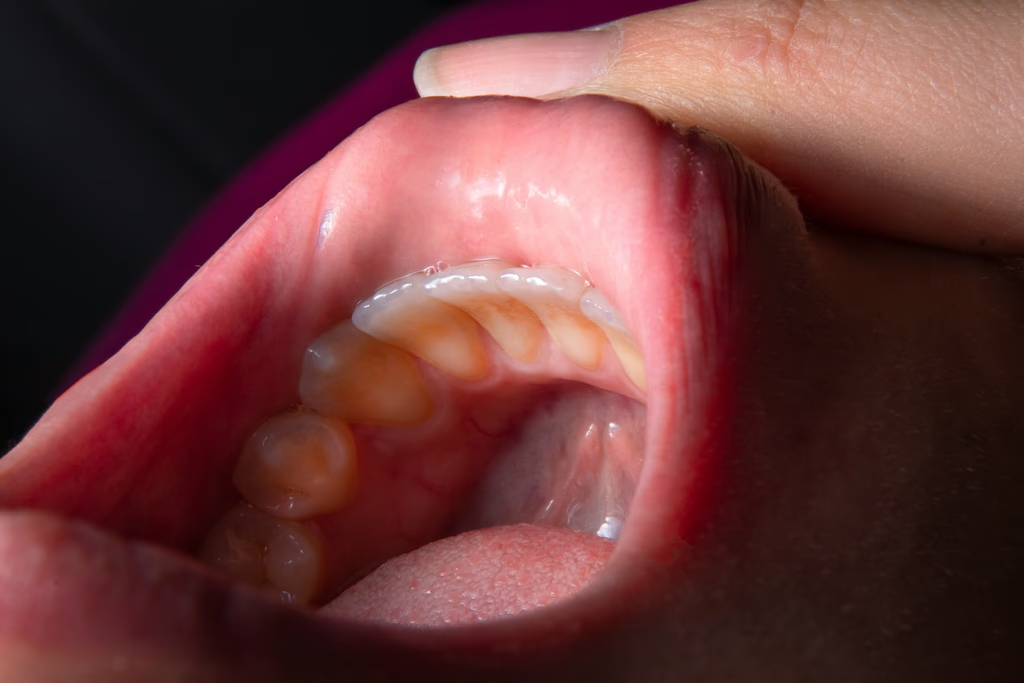
Here's something that catches most people off guard about sensitive teeth: the treatment you need has almost nothing to do with how much pain you're in and everything to do with what's causing the sensitivity in the first place.
A sharp wince from cold water might need nothing more than £5 toothpaste from the chemist. Chronic sensitivity that won't quit might require £100 fluoride varnish applications at the dentist. Sensitivity from gum recession might demand addressing the recession itself rather than just masking the pain with desensitizing products.
The options break down into four categories: over-the-counter desensitizing toothpaste, professional fluoride treatments, addressing the underlying cause (gum recession, enamel erosion, cracked teeth), or doing nothing and hoping it resolves on its own. What works depends entirely on why your teeth hurt in the first place.
Why Teeth Become Sensitive
Sensitivity happens when the enamel protecting your teeth wears thin or disappears entirely, exposing the dentin underneath. Dentin is porous, filled with microscopic fluid-filled tubules that connect directly to the tooth's nerve. When these tubules contact hot, cold, sweet, or acidic substances, the nerve receives the signal and you feel pain.
Enamel doesn't wear down for one reason. It erodes from acidic foods and drinks (citrus, soda, wine). It gets brushed away by aggressive scrubbing with hard-bristled toothbrushes. It thins naturally over time just from decades of use. It cracks from grinding teeth at night. All these paths lead to the same destination: exposed dentin.
Gum recession creates sensitivity even when enamel is intact. Tooth roots aren't covered by enamel at all, just a thin layer of cementum. When gums recede from age, gum disease, or harsh brushing, the roots become exposed. They're far more sensitive than the crown of the tooth because they were never meant to touch air or food directly.
Recent dental work can trigger temporary sensitivity. Teeth whitening dehydrates teeth, causing short-term sensitivity that usually resolves within days. New fillings or crowns sometimes leave teeth sensitive for weeks as they settle. This type typically resolves on its own without treatment.
Desensitizing Toothpaste: The First Line
Desensitizing toothpaste costs £3 to £8 for a standard tube at UK chemists and supermarkets. Brands like Sensodyne, Colgate Sensitive, and various store brands all work on the same principles, just with different active ingredients.
Two main types exist: potassium nitrate formulations and stannous fluoride formulations. They work differently, which matters when one doesn't work for you.
Potassium nitrate desensitizes the nerve itself. It blocks pain signals from reaching your brain. The nerve still receives the stimulus (cold, heat, pressure), but the signal doesn't translate into pain sensation. This takes consistent use to work, usually one to two weeks of brushing twice daily before noticeable improvement.
Stannous fluoride acts as a physical barrier. It plugs the dentin tubules, preventing stimuli from reaching the nerve in the first place. Studies show it works faster than potassium nitrate for many people, with some noticing improvement within days rather than weeks.
Here's the interesting bit: what works for one person fails completely for another. The mechanisms are different enough that if you've been using potassium nitrate toothpaste for two weeks with no improvement, switching to stannous fluoride often succeeds. Most people find relief with one or the other.
Application method matters more than people realize. Brushing with desensitizing toothpaste helps, but rubbing it directly onto sensitive areas with your finger works faster. After brushing at night, dab a bit of the paste onto the sensitive spots and leave it there. Don't rinse. The prolonged contact gives the active ingredients more time to work.
Longevity depends on continued use. Desensitizing toothpaste doesn't cure sensitivity. It manages it. Stop using it and sensitivity returns within days to weeks. This is maintenance medication, not a permanent fix.
Professional Fluoride Treatment: The Dentist Option
Fluoride varnish applied professionally costs £50 to £150 depending on how many teeth need treatment. The dentist paints concentrated fluoride directly onto sensitive areas. It hardens on contact with saliva, forming a protective layer that lasts weeks to months.
The varnish works by strengthening weakened enamel and sealing exposed dentin tubules. It's significantly more concentrated than over-the-counter products, providing faster and longer-lasting relief for many people.
Treatment takes 10 to 15 minutes. The dentist dries your teeth, applies the varnish with a small brush, and you're done. You avoid eating or drinking for 30 minutes afterward to let it fully harden. Some practices offer this as part of routine cleanings.
High-fluoride toothpaste (5000ppm fluoride) requires prescription in the UK. Standard toothpaste contains 1450ppm fluoride. The prescription-strength version is three times more concentrated. Dentists prescribe it for three-month courses when enamel erosion causes sensitivity and standard toothpaste hasn't worked.
Cost runs £8 to £15 per tube, similar to regular toothpaste but lasting longer since you use less. The higher fluoride concentration remineralizes enamel more aggressively, often resolving sensitivity that resisted standard treatments.
Fluoride treatments aren't permanent. Varnish wears off over months. Prescription toothpaste works only while you're using it. They manage symptoms rather than fixing underlying causes. If gum recession or enamel erosion continues, sensitivity returns once treatment stops.
Addressing Root Causes: The Permanent Approach
Gum recession treatment varies by severity. Mild recession might just need gentler brushing technique and a soft-bristled toothbrush. Moderate to severe recession sometimes requires gum grafting surgery, where tissue from your palate gets transplanted to cover exposed roots.
Graft surgery costs £400 to £1,200 per tooth privately. It's genuinely painful, requires healing time, and isn't guaranteed to take. But when it works, it eliminates sensitivity permanently by re-covering the exposed root surface.
Enamel bonding covers exposed dentin with tooth-coloured resin, the same material used for composite bonding to fix chips. Cost runs from £199 per tooth at UrgentCare Dental. The dentist applies resin to sensitive areas, sculpts it to blend with your tooth, and hardens it with UV light.
This physically seals the dentin tubules, eliminating sensitivity immediately. It lasts 5 to 10 years with proper care. Unlike desensitizing toothpaste, you're not managing symptoms daily. The sensitivity simply stops.
Treating bruxism (teeth grinding) requires a night guard to protect teeth from the grinding forces that wear down enamel. Guards cost £100 to £400. They don't cure sensitivity directly, but they prevent further enamel loss, stopping sensitivity from worsening.
Fixing decay or damaged fillings resolves sensitivity when those are the culprits. A cracked filling exposes dentin to stimuli. Replacing it eliminates the exposure. Decay near the gum line causes sensitivity. Removing the decay and filling the tooth fixes it. These aren't sensitivity treatments per se, but they address the actual problem rather than just managing discomfort.
What Happens If You Do Nothing
Sensitivity doesn't always worsen. Sometimes it plateaus at a manageable level. You learn which foods trigger it, avoid them, and life continues with minor adjustments. For mild sensitivity, this might be perfectly acceptable.
But sensitivity can progress. Exposed dentin lets bacteria penetrate deeper into the tooth. What starts as temperature sensitivity becomes decay. Decay requires fillings or potentially root canals if it reaches the nerve. Ignoring sensitivity today sometimes means expensive dental work tomorrow.
Chronic pain affects quality of life in ways people underestimate. Avoiding cold drinks sounds minor until you realize you're restricting your diet constantly. Not being able to eat ice cream, drink cold water after exercise, or enjoy hot coffee without wincing adds up over months and years.
Some sensitivity resolves spontaneously. Teeth can form secondary dentin over time, naturally sealing exposed tubules. This takes months to years and isn't guaranteed. Banking on it means potentially enduring sensitivity indefinitely while hoping for improvement that might never come.
Comparing Costs Over Time
Desensitizing toothpaste at £6 per tube lasting two months costs £36 annually. Over ten years, that's £360 in toothpaste alone. It works, but you're paying forever.
Fluoride varnish at £100 lasting six months costs £200 annually. Over ten years, that's £2,000. More expensive than toothpaste but potentially more effective for severe cases.
Bonding at £199 lasting seven years costs about £28 annually. The upfront cost is higher, but averaged over its lifespan, it's cheaper than either ongoing treatment and eliminates the daily hassle of managing sensitivity.
These calculations assume sensitivity stays constant. If enamel erosion or gum recession progresses, untreated sensitivity worsens, eventually requiring more aggressive and expensive interventions regardless of which temporary treatment you've been using.
Making Sense of Your Options
Here's the framework: for mild sensitivity, start with desensitizing toothpaste for two weeks. If one type doesn't work, switch to a different active ingredient. Most people find relief with one or the other.
For moderate sensitivity not responding to toothpaste, professional fluoride treatment often succeeds. It's more expensive upfront but works faster and lasts longer than drugstore options.
For severe sensitivity or cases where the underlying cause is obvious (gum recession, cracked tooth, failing filling), address the cause directly rather than just managing symptoms. You'll spend more initially but potentially eliminate sensitivity permanently.
If sensitivity developed after recent dental work or whitening, wait two to four weeks. Most procedure-related sensitivity resolves on its own as teeth adjust. Use desensitizing toothpaste during the waiting period to manage discomfort.
The worst option is ignoring it completely while continuing behaviors that worsen it: aggressive brushing, acidic diet, untreated grinding. Sensitivity rarely improves when the factors causing it continue unchecked. At minimum, identify what's causing the problem and stop making it worse, even if you're not ready to invest in treatment yet.
Need Emergency Dental Care?
Same-day appointments from just £20. Open 24 hours, 7 days a week.
Or see every treatment we offer, with prices →