Dental Fillings
White Filling Costs UK: What You'll Actually Pay


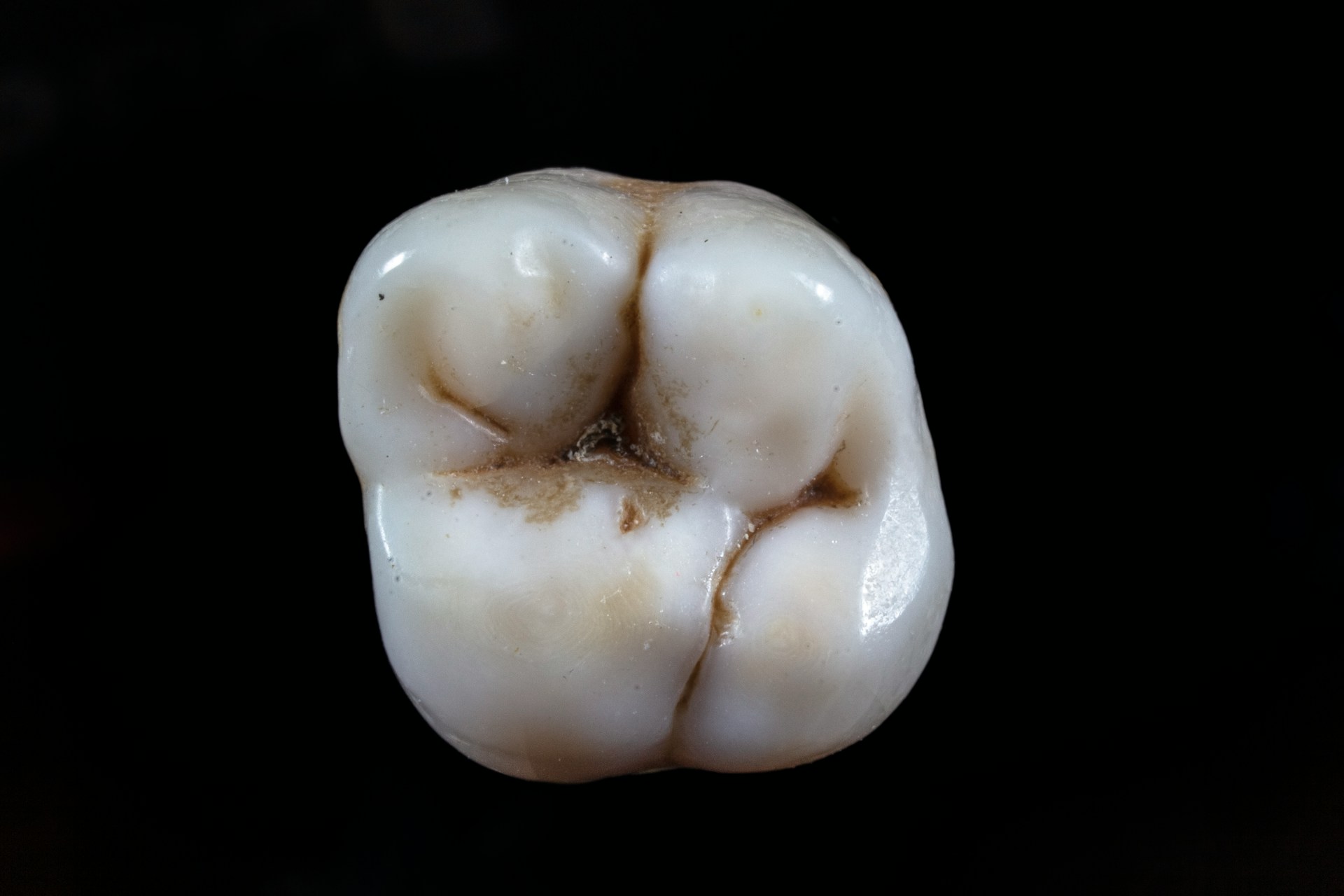
White fillings at a private dentist in the UK typically cost somewhere between £70 for a small, single-surface one and £300 for a large one on a back molar. At UrgentCare Dental a white filling is £149 to £349, all in, and where you land in that range comes down to the size of the cavity and how many surfaces of the tooth it covers.
That's the number you came here for, so here's the whole picture at a glance before we get into what actually moves the price:
| Filling type | Typical UK private range |
|---|---|
| Small composite (one surface, often a front tooth) | £70–£150 |
| Medium composite (a couple of surfaces) | £100–£210 |
| Large composite (a back molar, several surfaces) | £160–£300 |
| Ceramic or porcelain inlay (lab-made, for a big cavity) | £450–£950 |
| UrgentCare Dental (any composite filling, exam and anaesthetic included) | £149 to £349 |
Those are private filling prices for 2026, and the thing worth knowing straight away is that our number covers the whole job: the examination, the local anaesthetic, the filling itself, and the polishing at the end, with nothing bolted on afterwards. Now let's talk about what you're actually getting.
Why White Instead of Silver
The old silver amalgam fillings worked, and millions of people still have them. But there are good reasons white composite has become the standard.
The obvious one is appearance. Amalgam fillings look like little metal patches in your teeth - fine when they're tucked away in a back molar, more noticeable when you laugh or yawn. White composite is colour-matched to your natural tooth, so once it's placed, it essentially disappears.
But the differences go deeper than looks.
Composite bonds directly to your tooth structure. It forms a genuine adhesive connection with the enamel and dentine, which means your dentist can often preserve more of your natural tooth when placing it. Amalgam doesn't bond - it's held in mechanically, so the cavity has to be shaped in a specific way to lock the filling in place. That often means removing healthy tooth structure just to create the right shape.
There's also the expansion issue. Metal expands when it's hot and contracts when it's cold. Every time you drink hot coffee or eat ice cream, an amalgam filling is subtly moving. Over years, this can create tiny cracks in the surrounding tooth structure. Composite doesn't have this problem - it stays dimensionally stable regardless of temperature.
Then there's the repair question. If part of a composite filling chips or wears down, your dentist can often add to it - bonding new material onto the existing filling. With amalgam, the whole thing typically needs to come out and be replaced.
And yes, there's the mercury question. Amalgam contains mercury, and while dental authorities maintain that the amount is safe, plenty of people would simply rather not have it in their mouths. Composite contains no mercury at all.
The result is a filling that looks better, preserves more of your healthy tooth, doesn't stress the tooth with temperature changes, can be repaired rather than replaced, and doesn't contain mercury. For most people, that combination makes the choice straightforward.
What Affects the Price
The size of the cavity is the biggest factor. A small filling on one surface of a tooth is straightforward work (maybe twenty minutes, minimal material), and that sits at the lower end of our range, right around £149.
A larger filling that wraps around multiple surfaces of the tooth takes longer, uses more material, and requires more skill to shape properly. That's the work that climbs toward the top of the range, up to £349.
Location in your mouth matters too. Back molars are harder to access and take more chewing force, so fillings there need to be placed and shaped carefully. Front teeth are easier to reach but need precise colour matching since they're so visible.
What's Included
When you pay for a filling at UrgentCare Dental, that covers everything - the examination to assess what's needed, the local anaesthetic so you don't feel anything, the actual filling placement, and the shaping and polishing at the end.
Some practices charge separately for the examination or X-rays. Worth checking what's included when you're comparing prices, because a £90 filling plus a £50 exam plus £25 for X-rays adds up to a good deal more than the headline number first suggested. With us, the price you're quoted is the price you pay.
How Long They Last
White composite fillings typically last five to ten years, sometimes longer with good care. That's a bit less than amalgam, which can last fifteen years or more, but most people find the aesthetics worth the trade-off.
The main enemies of filling longevity are grinding your teeth at night, chewing ice or hard sweets, and not keeping up with brushing and flossing around the filled tooth. Look after them and they'll look after you.
When a filling does eventually need replacing, it's the same process again - out with the old, in with the new. Not a big deal.
When You Might Need Something Else
Sometimes what looks like a filling situation turns out to need something more. If the cavity is very large and there isn't much tooth structure left, a crown might be the better option - it caps the whole tooth rather than just filling a hole. Here's how the filling-versus-crown call gets made when a tooth is on the line.
If decay has reached the nerve of the tooth, you might need root canal treatment first, then a filling or crown on top.
Your dentist will be straight with you about what's actually needed, and it's fair to wonder why dentists push crowns as often as they seem to. Sometimes people come in expecting a major procedure and it turns out to be a simple filling. Sometimes it's the other way around. The examination tells the real story.
Common Questions About White Filling Costs
How much is a white filling in the UK?
At a private dentist, a white filling usually runs from around £70 for a small, single-surface one up to £300 or so for a large filling on a back molar. At UrgentCare Dental it's £149 to £349, and that's the all-in price with the examination and the anaesthetic included, not the filling on its own with extras added at the desk.
How much is a filling at a private dentist?
It depends almost entirely on how big the cavity is and how many surfaces of the tooth it touches. A quick single-surface filling sits at the bottom of the range, and a large one wrapping around a molar sits at the top. Our price spans that whole spread, from £149 for the small, simple ones up to £349 for the big multi-surface jobs, and you'll know exactly which one you're looking at before any work starts.
Are white fillings more expensive than silver?
They usually are, yes, by a little, because placing composite is more involved: it's bonded to the tooth in layers and cured, then shaped and polished to match, where the old silver amalgam was simply packed in. Most people find the difference well worth it for a filling that matches the tooth and holds onto more of it. There's a fuller comparison in our guide to amalgam versus white fillings if you're weighing the two.
What's included in the price?
Everything the appointment needs: the examination to see what's going on, the local anaesthetic so you feel nothing, the placement of the filling, and the shaping and polishing at the end. The one thing to watch elsewhere is a low headline price that quietly leaves out the exam or the X-rays, so a filling that looked cheaper ends up costing more once it's all added up. With us the quoted price is the price you pay.
Do white fillings cost more on back teeth?
They can, and it comes down to the work involved rather than the tooth being special. Back molars are bigger, they take the full force of your chewing, and the cavities in them often cover several surfaces, so the filling takes longer to place and shape properly. A small filling on a front tooth is usually quicker, which is why the same practice quotes a range rather than one flat number.
Getting It Sorted
Fillings are genuinely routine. You'll be numb so you won't feel the work, the whole thing takes maybe thirty to forty-five minutes, and you'll walk out with a tooth that looks and functions normally again.
The main thing is not to wait too long. A small cavity that needs a filling at £149 today can become a large cavity nearer £349 in six months, or a cracked tooth that needs a crown in a year. Decay doesn't fix itself, and it doesn't stay the same size.
If you know you've got a tooth that needs attention, or it's been a while since anyone had a proper look, booking an examination is the sensible move. You'll know exactly what you're dealing with, exactly what it'll cost, and you can get it sorted before it becomes a bigger problem.
Your teeth will thank you.
Need Emergency Dental Care?
Same-day appointments from just £20. Open 24 hours, 7 days a week.
Or see every treatment we offer, with prices →