Bruxism
Teeth Grinding Solutions


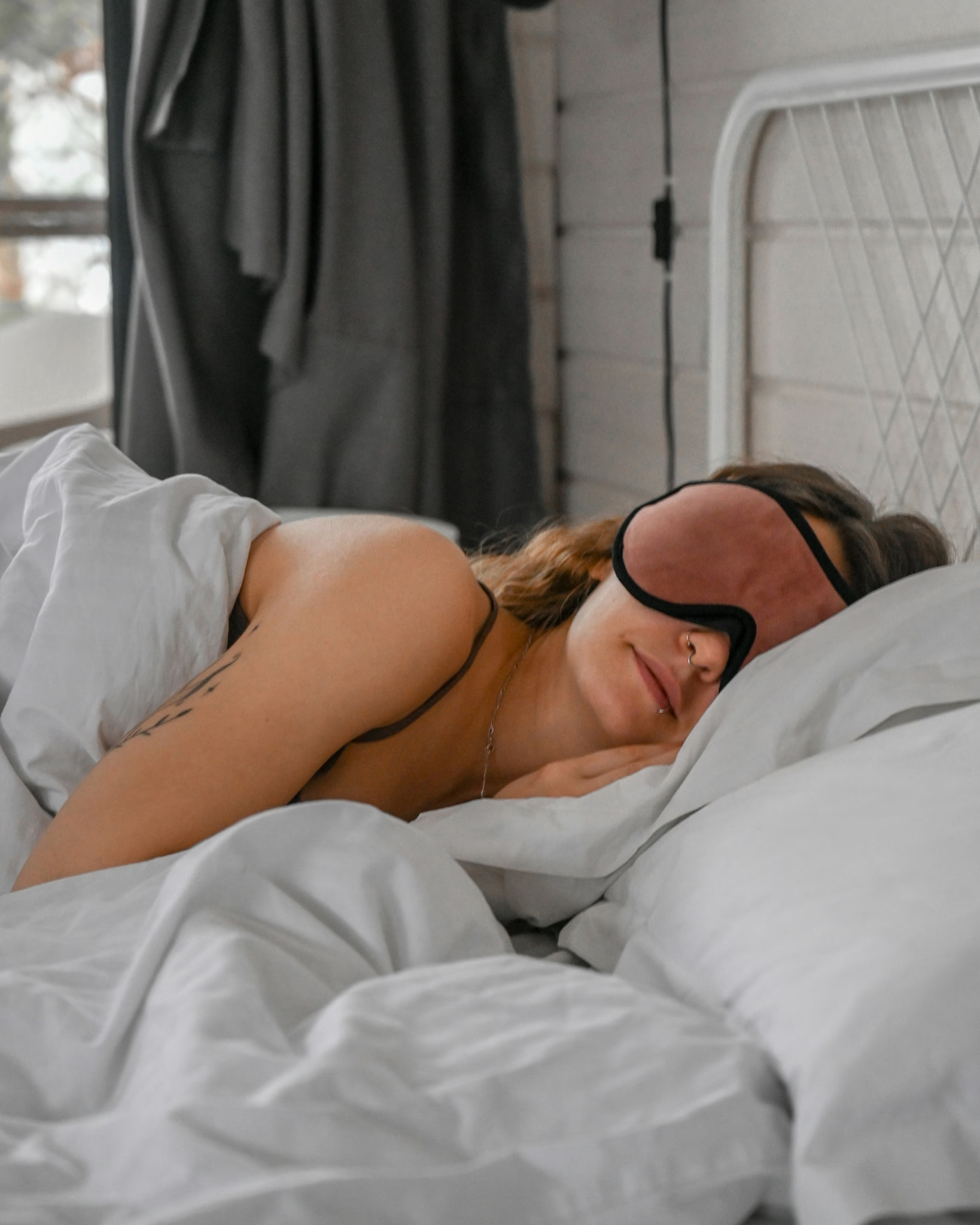
Teeth grinding (bruxism) affects over 80% of people at some point in their lives, though most don't realize they're doing it. The grinding typically happens at night while you're asleep, which means the first clue is often waking up with jaw pain, headaches, or a partner complaining about the noise.
There are essentially four approaches people take: night guards that physically protect your teeth, Botox injections that weaken the grinding muscles, lifestyle changes that address underlying causes, or simply living with it. Each option represents different trade-offs between cost, invasiveness, and how much ongoing maintenance you're signing up for.
What makes bruxism particularly frustrating is that nobody fully understands why it happens. Stress plays a role for many people, but plenty of relaxed individuals grind their teeth anyway. Sleep disorders, certain medications, and genetics all factor in. The uncertainty around causes means treatments focus mainly on managing symptoms rather than fixing the root problem.
Night Guards: The Physical Barrier
A night guard (also called a mouth guard or occlusal splint) is an acrylic or plastic device worn over your teeth while you sleep. It creates a barrier between your upper and lower teeth, so when you grind, you're wearing down the guard instead of your enamel.
Custom guards made by dentists typically cost £300 to £400 privately in the UK. The process involves taking impressions of your teeth, having a lab fabricate the guard to fit your mouth precisely, then adjusting it for comfort. The entire process takes two to three appointments over a few weeks.
Over-the-counter guards cost £20 to £100 and can be bought immediately. Some are boil-and-bite versions you soften in hot water then mold to your teeth at home. Others are pre-formed in standard sizes. Research shows these can be effective for many people, though the fit isn't as precise as custom versions.
What night guards actually do is prevent tooth damage. They cushion the force and stop the hard surfaces of your teeth from grinding against each other. This protects against chips, cracks, and wearing down of enamel. They also reduce pressure on your jaw joint (the temporomandibular joint or TMJ).
What they don't do is stop the grinding itself. You'll still clench and grind with a guard in place. For some people, this means the jaw pain and headaches continue even with tooth protection. The guard addresses the dental damage but not necessarily the muscular tension causing the pain.
Guards last anywhere from six months to several years depending on how severely you grind and how well you maintain them. Heavy grinders can wear through a guard in under a year. The guard wearing down is actually the point, since it's taking the punishment your teeth would otherwise receive.
Maintenance involves rinsing with cool water before and after use, cleaning daily with a soft toothbrush and mild soap, and storing in a case at room temperature. Hot water warps the material, so always use cool or lukewarm water. Some guards can be cleaned in mouthwash.
The adjustment period varies. Some people adapt within days, others struggle for weeks with increased salivation, slight speech changes, or a gag reflex response. Most people eventually stop noticing the guard during sleep, though a minority never fully adjust and give up wearing them.
Botox Injections: The Muscle Approach
Botox for bruxism works by weakening the masseter muscles (the large chewing muscles on the sides of your jaw). Small amounts of botulinum toxin are injected directly into these muscles, partially paralyzing them. The muscles can still function for eating and talking, but they can't generate the same force when you clench or grind.
Treatment costs £245 to £450 per session in the UK, with most clinics charging £300 to £400. The price varies based on how much product is needed, which depends on your muscle size. Larger, more developed masseters require more units of Botox and cost more to treat.
The procedure takes 20 to 30 minutes. Several small injections go into the masseter muscles on each side of your face. Some practitioners also treat the temporalis muscles in the temples. There's minimal downtime afterward, with most people returning to normal activities immediately.
Effects begin within three to four days and peak around two weeks. The full impact on grinding takes a couple of weeks to become apparent. Pain relief often happens faster than changes in grinding behavior.
Duration runs three to six months typically, after which muscle function gradually returns and symptoms may reappear. This means ongoing treatment every four to six months to maintain the effect. Over time, some people find they need treatments less frequently as the muscles weaken or the grinding habit diminishes.
The treatment offers a side benefit for some people: jawline slimming. When masseter muscles are overworked from grinding, they can hypertrophy (grow larger), creating a square-shaped lower face. Botox gradually reduces this bulk, producing a softer, more tapered jawline. This aesthetic effect takes several treatment cycles to become noticeable.
What Botox doesn't address is the underlying cause of grinding. It reduces the symptoms (pain, tooth damage) by limiting muscle force, but it doesn't stop you from attempting to grind. The neurological signals to clench and grind continue; your muscles just can't respond as forcefully.
Potential issues include temporary difficulty chewing very tough foods, slight changes to your smile if the dosage spreads to nearby muscles, or asymmetry if one side responds differently than the other. These effects are uncommon with experienced practitioners who know precise injection points and proper dosing.
Botox for bruxism isn't typically covered by dental insurance since it's classified as a cosmetic procedure by most insurers, even when done for medical reasons. Some private medical insurance policies might cover it under TMJ disorder treatment, but this varies significantly between providers.
Stress Management and Lifestyle Changes
Since stress and anxiety correlate with increased grinding for many people, addressing these underlying factors can reduce symptoms. This approach costs little financially but requires significant time and behavioral change.
Relaxation techniques people try include meditation, progressive muscle relaxation, yoga, and deep breathing exercises before bed. The idea is to reduce overall muscle tension and anxiety levels that may contribute to nighttime grinding.
Sleep hygiene improvements matter for some people. Establishing consistent sleep schedules, creating calm bedtime routines, avoiding screens before sleep, and ensuring adequate sleep duration all potentially help. Sleep disorders like sleep apnea correlate strongly with bruxism, so addressing those issues can reduce grinding.
Reducing caffeine and alcohol intake helps certain individuals. Both substances can increase the likelihood of grinding, particularly when consumed in the evening. Some people notice improvement when they cut back, others see no change.
Jaw muscle exercises and stretches aim to relax the muscles before sleep. Placing a warm washcloth on your cheek, doing gentle jaw opening exercises, or consciously relaxing your jaw throughout the day may help reduce nighttime tension.
The challenge with lifestyle approaches is that results vary dramatically between people. Some individuals see significant improvement, others notice no change despite consistent effort. There's also the question of whether the grinding causes the stress symptoms or vice versa. Treating jaw pain might reduce stress rather than the other way around.
Cognitive behavioral therapy (CBT) addresses the psychological aspects of bruxism for some people. If grinding is related to stress, anxiety, or sleep disorders, CBT techniques can help manage those underlying conditions. This requires finding a therapist, committing to regular sessions, and working through the process over weeks or months.
Medications like muscle relaxants or pain relievers exist but are typically short-term solutions. Doctors rarely prescribe them long-term for bruxism due to side effects and dependency concerns. They might be used during particularly bad episodes but aren't considered sustainable management.
The main issue with lifestyle changes is the lack of immediate feedback. With a night guard, you know it's protecting your teeth even if pain continues. With Botox, you feel the muscles weaken within days. With lifestyle changes, you might implement everything correctly and still not know for weeks or months whether it's helping.
Doing Nothing: The Wait-and-See Approach
Some people with mild bruxism choose not to pursue active treatment. This makes sense in certain situations: when symptoms are minimal, when tooth wear is negligible, or when the grinding is likely temporary (stress-related grinding during a difficult period that may resolve on its own).
Children often grind their teeth and typically grow out of it without intervention. About half of young children show signs of bruxism, but most stop by adolescence. For kids, watchful waiting is common unless significant tooth damage occurs.
The risk with doing nothing is progressive damage over time. Enamel that wears away doesn't regenerate. Teeth can develop chips, cracks, or fractures that eventually require expensive dental work. The jaw joint can develop problems that become chronic.
Grinding also changes how teeth fit together (your bite or occlusion). As teeth wear unevenly, your bite can shift, potentially creating new problems with how your jaw functions. These changes happen gradually, so you might not notice until significant damage has accumulated.
Morning headaches, jaw pain, and facial tension might worsen over time rather than staying stable. What starts as occasional discomfort can progress to chronic pain affecting quality of life. Some people develop temporomandibular disorders (TMD) that become difficult to treat.
Partners often notice the grinding first. The noise can disrupt their sleep even if you're not experiencing symptoms. This social aspect sometimes motivates treatment when personal symptoms alone wouldn't.
The difficulty is predicting who will experience progressive worsening versus who will see spontaneous improvement. Some people grind heavily for years without major consequences. Others develop severe symptoms relatively quickly. There's no reliable way to know which category you'll fall into until time passes.
Comparing the Approaches
Night guards protect teeth but don't stop grinding or necessarily reduce pain. Botox reduces grinding force and often eliminates pain but requires ongoing treatments. Lifestyle changes might address root causes but lack immediate feedback and reliable results. Doing nothing avoids cost and hassle but risks progressive damage.
Cost per year varies significantly. A custom night guard at £350 that lasts two years costs £175 annually. Botox at £350 per session every five months costs £840 annually. Over-the-counter guards at £50 replaced yearly cost £50 annually. Lifestyle changes are essentially free beyond any therapy costs.
Immediate protection matters for severe cases. A night guard provides instant tooth protection starting the first night you wear it. Botox takes two weeks for full effect. Lifestyle changes take weeks to months to show results. Doing nothing provides no protection.
Ongoing commitment differs dramatically. Night guards require nightly wear and daily cleaning forever. Botox needs clinic visits every few months forever. Lifestyle changes demand daily practice forever. Doing nothing requires no ongoing effort but accepts ongoing risk.
Reversibility is complete with night guards and lifestyle changes since you can stop anytime. Botox effects wear off within months if you discontinue treatment. Tooth damage from doing nothing is permanent once it occurs.
What Each Option Actually Involves
Getting a custom night guard means an initial consultation where your dentist examines your teeth and discusses options. They take impressions (physical molds or digital scans), which go to a lab. The lab fabricates your guard over one to two weeks. You return for fitting and adjustments. Total time from start to finish: two to four weeks.
Starting Botox treatment begins with a consultation to assess your muscles and discuss expectations. The actual treatment happens the same day or at a scheduled appointment. Follow-up occurs two to four weeks later to evaluate results and potentially adjust dosage. Subsequent treatments are usually straightforward appointments without the initial consultation time.
Implementing lifestyle changes requires identifying which modifications might help your situation. This might mean keeping a symptom diary to track grinding patterns, trying different relaxation techniques, or consulting a therapist. The process is gradual and self-directed unless you're working with a professional.
Combining approaches is common. Many people use both a night guard for tooth protection and Botox for pain relief. Others pair lifestyle changes with either physical protection method. The approaches aren't mutually exclusive.
Making Sense of Your Options
Here's what the evidence suggests: if tooth protection is your primary concern, night guards work reliably for that specific purpose. If pain relief matters most, Botox shows better results than guards alone for many people. If you want to avoid ongoing interventions, addressing lifestyle factors is worth attempting first, though success isn't guaranteed.
The decision often comes down to which problem bothers you most. Worried about tooth damage? A guard addresses that directly. Waking up in pain? Botox might provide more relief than a guard alone. Wanting to avoid regular treatments? Lifestyle changes and acceptance might be your path.
Cost considerations matter significantly over time. A £50 over-the-counter guard replaced annually costs £500 over ten years. Botox at £350 per session three times yearly costs £10,500 over ten years. A custom guard at £350 replaced every two years costs £1,750 over ten years. These differences add up.
Severity influences the calculation. Mild grinding might warrant trying an over-the-counter guard first. Severe grinding causing significant pain and rapid tooth wear might justify the higher cost of Botox from the start. There's no single right answer that applies to everyone.
The main thing is understanding what each approach actually does versus what it doesn't do. A night guard won't stop pain if your primary issue is muscle tension. Botox won't help if your main concern is avoiding any medical interventions. Lifestyle changes might do nothing for you even when they help others. Knowing these limitations helps set realistic expectations regardless of which path you choose.
Need Emergency Dental Care?
Same-day appointments from just £20. Open 24 hours, 7 days a week.
Or see every treatment we offer, with prices →