Cosmetic Dentistry
Black Triangles Between Teeth: Causes and Treatment Options


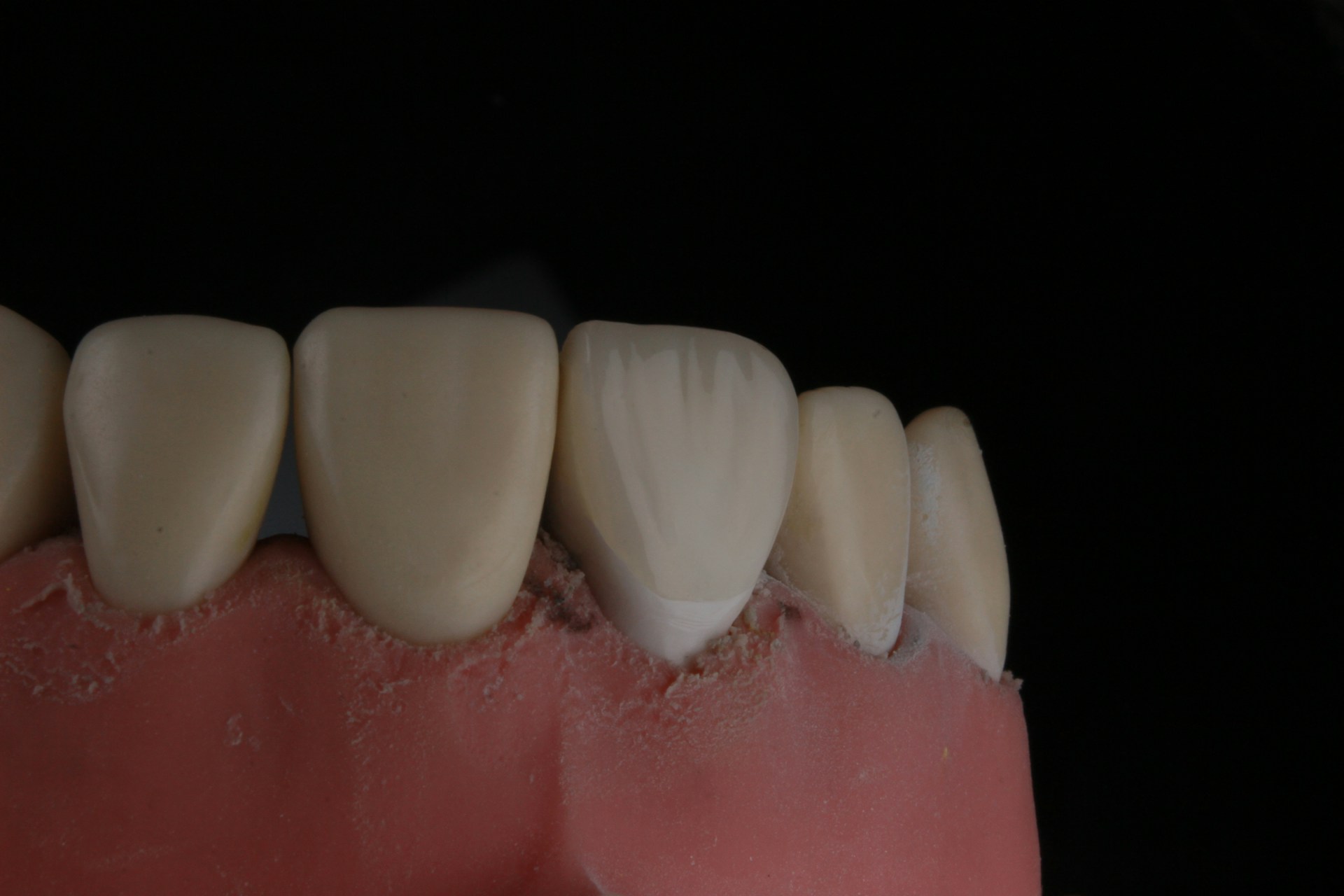
Two out of three adults over 20 have black triangles between their teeth.
That's 67%, according to research in the British Journal of Applied Science & Technology. If you've noticed small dark gaps opening up near your gum line and thought something was going wrong with your mouth specifically, here's the thing: you're in remarkably common company.
And these gaps? They're treatable. Often in a single appointment, often without touching your natural tooth structure at all. That's the bit worth knowing upfront.
The short answer: black triangles are those small dark gaps near the gum line, and they're very fixable, most often with composite bonding from £199 per tooth in a single appointment with no drilling. Which treatment suits you comes down to how big the gaps are and what caused them, so a £20 assessment gives you a clear plan and price before anything begins.
Here's how the main options compare at a glance:
| Treatment | Best for | Cost at UrgentCare Dental |
|---|---|---|
| Composite bonding | Small to medium triangles, one visit, no drilling | From £199 per tooth |
| Porcelain veneers | Larger gaps or a full smile redesign | £695 per tooth |
| Initial assessment | A proper look and a clear plan with prices | £20 |
Every option is explained in full below, but that's the quick version if you just want to know where to start.
What's Actually Happening
Dentists have a proper name for these: "open gingival embrasures." Everyone else just calls them black triangles, because that's what they look like. Small, dark, triangular gaps between teeth, right where tooth meets gum.
The darkness isn't staining or decay. It's just shadow. There's a space there now, and the dark of your mouth shows through.
In a healthy mouth, you have something called the interdental papilla. That's the pointed bit of gum tissue that sits between each tooth, filling the space completely. When that papilla shrinks back or disappears, you're left with a visible gap.
Why They Appear
Several things can cause these spaces, and often it's a combination.
Gum recession is the big one. When gums pull back from where they used to sit, the root surfaces become exposed and gaps open up at the base of the teeth. This happens gradually with age for many people. Gum disease speeds it up. So does brushing too hard, weirdly enough. Certain medications can contribute too.
Bone loss creates the same effect. Your gums are essentially a covering for the bone underneath. When bone diminishes, gum tissue follows, and those triangular spaces appear.
Orthodontic treatment catches people off guard. After braces or aligners have finished straightening everything, some people notice black triangles have appeared where there weren't any before. Around 38% of adult orthodontic cases end up with some degree of these spaces. The teeth have moved into better positions, but the gum tissue hasn't always come along for the ride.
Tooth shape matters too. Some people naturally have teeth that are wider at the biting edge and narrower near the gum. That triangular shape makes gaps more visible even when gum health is fine.
Thin gum tissue, previous dental work that doesn't fit quite right, overly enthusiastic interdental brush use... these can all play a part.
Why They Matter
Black triangles aren't just a cosmetic thing, though that's what bothers most people.
The practical side is real. Food gets trapped in these spaces constantly. You know that annoying feeling after eating when something's stuck and your tongue can't quite reach it? These gaps become little magnets for debris.
Trapped food means plaque buildup. Plaque in hard-to-clean spots can lead to decay and more gum problems, which can make the triangles larger over time. It becomes a cycle.
Some people notice their speech changes too. Whistling sounds on certain words. Liquids escaping through gaps when drinking.
But let's be honest: for most people, it's about appearance. These spaces can make teeth look older, less healthy, even when everything else is in good shape. That's a completely reasonable thing to want fixed.
Treatment Options
There are several ways to address black triangles, and the right choice depends on how big yours are, what caused them, and what you'd prefer.
Composite Bonding
This is usually the first thing dentists reach for, and it makes sense why. Composite bonding uses tooth-coloured resin to reshape the teeth and close the gaps. The dentist applies the material to the sides of the affected teeth, sculpting it until the triangle disappears.
The whole thing typically happens in one appointment. No drilling. No removing natural tooth structure. The resin bonds directly onto your existing enamel.
Across most UK practices in 2026, composite bonding runs somewhere between £250 and £400 per tooth. Results last four to eight years on average, sometimes longer with good care. If anything needs touching up later, that's straightforward.
At UrgentCare Dental, composite bonding starts from £199 per tooth.
The Bioclear Method
This is a more specialised version of composite bonding, developed specifically for situations like black triangles. The technique uses clear forms that wrap around each tooth while composite resin gets injected and moulded into place.
The precision is the advantage here. Those forms create smooth, natural-looking results where the teeth appear to emerge from the gums properly, rather than having obvious added material stuck on.
There's another benefit too: the technique actually presses the gum tissue back into a healthier position, which can help protect against further recession.
Bioclear-trained dentists are still fairly uncommon in the UK, so it's not available everywhere. Pricing tends to be similar to standard bonding, though appointments run a bit longer, around 60 minutes per triangle.
Porcelain Veneers
When gaps are larger or there are other things you'd like to address at the same time, porcelain veneers can handle it all at once. These thin porcelain shells cover the entire front surface of your teeth, essentially redesigning their shape.
Veneers cost more than bonding, typically £695 and up per tooth. They also need some preparation of the natural tooth surface, so it's more of a commitment.
The payoff is longevity and stain resistance. Porcelain veneers can last 10-15 years or more and keep their appearance better over time than composite.
Hyaluronic Acid Gum Fillers
This one's newer, and it approaches the problem from a completely different angle. Instead of building up the teeth to close the gap, some dentists now inject hyaluronic acid to plump up the gum tissue itself.
Same principle as facial fillers. Hyaluronic acid is a substance your body already produces naturally. The filler goes directly into the papilla, adding volume to the gum and reducing or eliminating the visible gap.
It's quick and minimally invasive. Results show up straight away, then settle and improve over the next few weeks as the hyaluronic acid draws in moisture and the tissue expands a bit more.
How long does it last? The standard answer is six months. But here's the interesting part: Dr Manrina Rhode, who brought this technique to the UK about eight years ago, says many of her patients have never needed repeat treatments. The results seem to stick around longer than expected.
Gum fillers work best for smaller triangles. For bigger gaps, combining them with composite bonding often makes sense.
Orthodontic Treatment
Sometimes repositioning the teeth themselves is the right call. Braces or clear aligners can close or reduce black triangles by moving teeth closer together and changing how they're angled.
This makes most sense when there's other alignment stuff that would benefit from orthodontic work anyway. It's a longer road, typically 6-24 months, but it addresses the underlying issue rather than covering it up.
Gum Grafting
When black triangles come from serious gum recession, there are surgical options to rebuild lost tissue. Gum grafting takes healthy tissue from elsewhere in your mouth (usually the palate) and uses it to reconstruct the receded areas.
This is more involved, with a longer recovery. Success rates for papilla reconstruction specifically can be hit or miss. It's usually reserved for severe cases where other options won't cut it.
Prevention
If black triangles haven't appeared yet, or you've had treatment and want to keep them from coming back, a few things help.
Gum health is the foundation. Gum disease is preventable with proper brushing (gentle, not scrubbing), daily flossing, and regular professional cleanings. Healthy gums mean that papilla tissue stays where it belongs.
Go easy with interdental brushes. They're great for cleaning between teeth, but ones that are too big or used with too much force can actually contribute to recession over time.
Smoking makes everything worse. Beyond all the other health reasons, it significantly raises the risk of gum disease and recession.
If you're planning orthodontic treatment, ask about black triangle risk beforehand. Some practitioners use techniques during treatment to minimise the chances of triangles showing up afterward.
Common Questions About Black Triangles
How do you fix black triangles between teeth?
For most people, composite bonding is the first port of call. The dentist builds up a little tooth-coloured resin on the sides of the teeth to fill the gap, usually in one appointment, with no drilling and nothing removed from your natural teeth. Bigger gaps, or times when you fancy redesigning the whole smile at once, might suit porcelain veneers instead, and smaller ones sometimes respond beautifully to hyaluronic acid gum fillers that plump the gum back up. If the triangles turned up after the teeth shifted out of line, braces or clear aligners can close them by gently moving the teeth back together. The right route really comes down to the size of the gap and what caused it, which is exactly what an assessment sorts out.
Are small black triangles between teeth normal?
Completely normal, and far more common than most people realise. Research puts them at around 67% of adults over 20, so if you've spotted a small one, you're firmly in the majority rather than the exception. A little triangle on its own isn't a sign that something is going wrong: it's usually just the pointed bit of gum between two teeth sitting a touch lower than it used to. It's worth keeping an eye on so it doesn't start trapping food and growing, but on its own it's nothing to panic about.
How much does it cost to fix black triangles between teeth?
The honest cheapest route is composite bonding, which at UrgentCare Dental starts from £199 per tooth and often closes the gap in a single visit. Larger cases treated with porcelain veneers are £695 per tooth. The surest way to know your own number is to come in for a £20 assessment, where we look at what's actually causing the gaps, talk through what would suit you best, and give you a clear price before anything happens.
Do black triangles go away after a deep cleaning?
Not usually, and it really helps to understand why. A deep cleaning is wonderful for treating the gum disease that so often drives the recession behind black triangles, so it can stop them getting worse and get your gums back to healthy. What it can't do is rebuild gum tissue that has already shrunk back, so a triangle that's already there won't fill itself in from cleaning alone. Refilling that little space is the job of composite bonding or gum fillers. Getting the gums healthy first and then closing the gap is the order that tends to work best.
What's Next
If black triangles are bothering you, the first step is getting them looked at properly. The right treatment depends entirely on what's causing your gaps, how big they are, and the overall state of your gums and teeth.
At UrgentCare Dental, initial consultations are £20. We can take a look at what's going on, talk through what would work best for your situation, and give you a clear picture of costs before anything happens.
Whatever's causing your black triangles, there's almost certainly a way to fix them.
Ready for Your Dream Smile?
Composite bonding from £199, veneers from £695. 0% finance available on treatments over £500.
Or see all our cosmetic treatments, with prices →