Gum Disease
Can Gum Disease Be Reversed Without a Dentist?


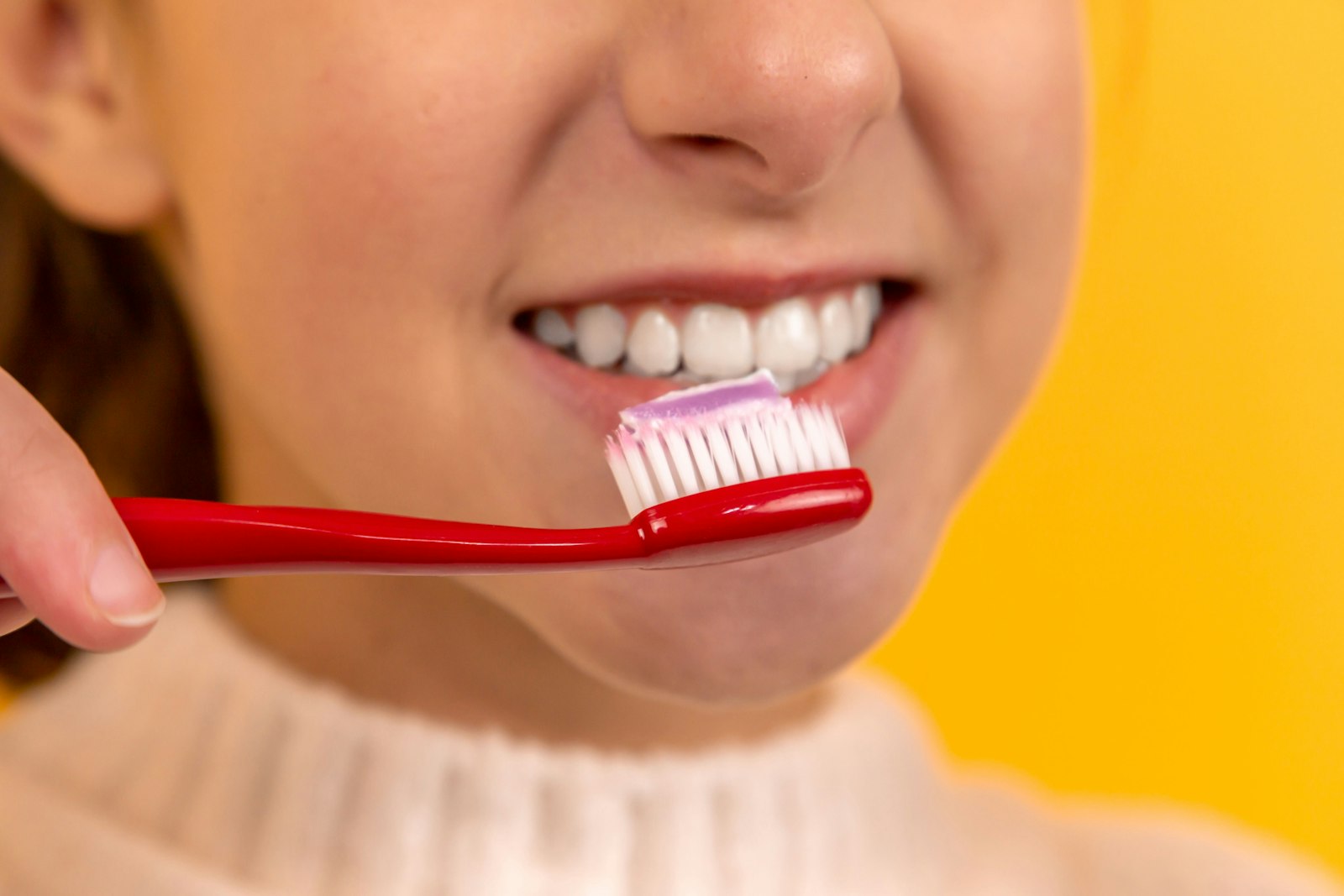
Maybe money's tight, maybe you just dread the chair, and you're wondering whether you can sort your gums out yourself at home. The honest answer is that it depends entirely on how far along things are: early gum disease really can be reversed with good home care, but once it's gone deeper, the best you can do at home is stop it getting worse.
So the whole game here is working out which stage you're at, because that one fact changes everything about what you can do at your kitchen sink. Let's walk through it gently and honestly, without scaring you and without selling you anything you don't need.
The One Distinction That Decides Everything
Gum disease comes in two flavours, and they're really not the same beast. The early one is called gingivitis, and it's your gums being irritated and inflamed by a sticky film of bacteria called plaque sitting along the gumline. Bleeding when you brush, a bit of redness, gums that look slightly puffy: that's gingivitis waving a little flag at you.
The advanced one is called periodontitis, and this is where it stops being just about the gums. Here the trouble has spread below the surface and started to damage the bone and fibres that actually hold your teeth in place. Think of a tooth like a fence post set in soil. Gingivitis is the paint on the post flaking, annoying but fixable. Periodontitis is the soil around the post washing away, and once that support is lost, you can't simply paint it back.
That picture is the whole point, because gingivitis is reversible and periodontitis, honestly, is not. The good news buried in there is that catching it early puts real power back in your hands.
Yes, Early Gum Disease Can Genuinely Be Reversed at Home
Here's the encouraging bit. Gingivitis is caused by plaque, and plaque is something you can remove yourself, so if you get properly on top of it, your gums can heal and go back to being firm and pink and happy again. This isn't wishful thinking, it's just cause and effect: take away the irritation, and the inflammation settles.
What that looks like day to day is nothing fancy. Brush gently but thoroughly twice a day, angling the bristles right at the gumline where the plaque hides, because that border is the exact spot that matters. Clean between your teeth once a day with floss or little interdental brushes, since a toothbrush simply can't reach those gaps and that's where trouble loves to brew. Give it a week or two of doing this consistently, and most people notice the bleeding calming right down, which is your gums telling you it's working.
One thing worth knowing so you don't panic: gums that are inflamed will often bleed more when you first start cleaning them properly, not less. That's normal and it settles as they heal, so please don't take it as a sign to back off. Keep going gently and it turns the corner.
When Home Care Can Only Hold the Line
Now the straighter talk, because you deserve it. If your gum disease has already moved into the periodontitis stage, no amount of brushing and flossing at home will rebuild the support that's been lost. That's not a failing on your part, it's just the nature of the thing, and it's why this stage genuinely needs a professional pair of hands and proper gum disease treatment.
The signs that you might be past the early stage are worth knowing. Gums that have started to shrink back so your teeth look longer, a bad taste or persistent bad breath that won't shift, teeth that feel slightly loose or have drifted a little, or deep aching around the gums: these all suggest it's gone further than home care can fix on its own. If that's you, the honest thing we can tell you is that your home routine is still hugely valuable, but as a way to hold the line and stop further damage, not to undo what's done.
The reason a dentist or hygienist makes the difference is simple: the hardened plaque, called tartar, that sits below the gumline can't be brushed off, and the deep pockets where bacteria hide can't be reached at home. A professional deep clean gets in there and gives your own home care a fighting chance to keep things stable afterwards.
But Can Gum Disease Actually Harm You?
This worry comes up a lot, so let's meet it calmly. Left unchecked for years, advanced gum disease is the leading reason adults lose teeth, and it's been linked with wider health over a lifetime, which is why it's worth taking seriously rather than ignoring. That said, this is a slow-moving thing, not an emergency that strikes overnight, so there's no need to lie awake over it. Catching it and getting on top of it, even a bit later than ideal, makes a real difference, and people do exactly that all the time.
If It's the Money Holding You Back
We want to speak to this directly, because it's the real reason a lot of people are searching for a way to do it themselves, and there's no shame in it at all. The thought that seeing a dentist means a big, scary bill stops people getting help far too often, and then a small problem quietly grows into a bigger one, which is the outcome nobody wants.
So here's the reassuring truth: finding out where you actually stand doesn't have to be expensive. Our £20 emergency and assessment appointment includes X-rays and a proper look at your gums, and from that you'll know honestly whether you're dealing with reversible gingivitis you can crack at home or something that needs a hand. Knowing which one it is, is worth an enormous amount, because it stops you either worrying needlessly or leaving something that's quietly getting worse. We've written more for anyone in this spot in our guide on what to do when you can't afford a dentist, and if treatment does turn out to be needed, our gum disease treatment costs are laid out plainly so nothing's a surprise.
The Honest Bottom Line
Can gum disease be reversed without a dentist? If it's early-stage gingivitis, genuinely yes, and consistent brushing and flossing along the gumline is your route back to healthy gums. If it's advanced periodontitis, home care becomes about holding steady rather than reversing, and that stage really does need professional help to stop it moving on.
The kindest thing you can do for yourself is simply find out which one you've got, because everything else follows from that. Whether that's a fortnight of proper home care or a quick, affordable look from us, you'll be acting on the truth instead of guessing, and your gums will thank you for it either way.
Need Emergency Dental Care?
Same-day appointments from just £20. Open 24 hours, 7 days a week.
Or see every treatment we offer, with prices →