Emergency Dental
Emergency Wisdom Tooth Removal: What Actually Happens When It All Kicks Off


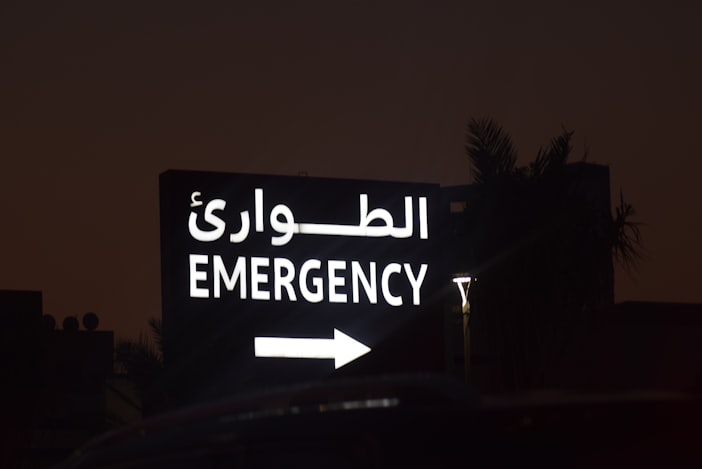
It's 2am and the right side of your face has its own heartbeat. A deep, thudding ache that radiates from somewhere behind your back teeth up through your temple and into your ear. Ibuprofen took the edge off for about forty minutes, and now it's back with reinforcements.
You know what this is. You've known for a while, actually, ever since that dentist mentioned your wisdom teeth a few years ago and you filed it under "things to deal with later." Well. Later just arrived, and it brought swelling.
Here's the first thing worth knowing, and it's genuinely reassuring: what feels like a full-blown crisis right now is one of the most routine things in dentistry. Wisdom teeth have been causing exactly this kind of drama for as long as humans have had them, and the solution is well-trodden, predictable, and nowhere near as intense as your 2am brain is telling you it is.
The short version: yes, an emergency dentist can absolutely sort a painful wisdom tooth, and it's one of the most routine things they do. Usually that first emergency visit calms the infection down (antibiotics and a proper clean-out, about £20 at UrgentCare Dental), then the extraction itself gets booked a week or two later once everything has settled, though same-day removal is genuinely possible when the area is already calm.
Here's what the removal itself costs at a glance, so you can find your likely case in a couple of seconds:
| Wisdom tooth removal | Typical UK range | At UrgentCare Dental |
|---|---|---|
| Straightforward extraction | £200–£600 per tooth | £549 per tooth |
| Surgical (impacted) extraction | £300–£600 per tooth | £549 per tooth |
That £549 covers even the awkward impacted cases that need surgical access, and if dental anxiety is the real hurdle, there's an extraction with IV sedation bundle at £695 that rolls the removal and the sedation into one price.
Why Wisdom Teeth Do This
There's something wonderfully absurd about wisdom teeth when you think about it. Human jaws have been getting smaller for thousands of years, a slow evolutionary trend driven by softer diets and less chewing, but the teeth themselves haven't got the memo. So these four molars, the last ones to arrive, show up in your late teens or twenties and find a jaw that quite simply doesn't have room for them.
What happens next is a bit like trying to park a car in a space that's too small. The tooth pushes. It angles. It partially breaks through the gum and then gets stuck, sitting there half-erupted with a flap of gum tissue draped over it like a tent. That flap is called an operculum, and it's the source of most wisdom tooth emergencies.
Food and bacteria get trapped under that flap. The area becomes inflamed. That inflammation is called pericoronitis, and it's responsible for that throbbing, swollen, my-face-is-on-fire feeling you're experiencing right now. The tissue around the tooth gets angry, and it tells you about it in no uncertain terms.
The fascinating thing is that pericoronitis almost always resolves with antibiotics and proper cleaning. The emergency, the acute pain, the swelling: that's the infection talking, and infections respond to treatment quickly. Within 48-72 hours of starting antibiotics, most people feel dramatically better. The tooth itself can be dealt with once things have calmed down.
The Emergency Appointment
Walking into an emergency dental appointment with a wisdom tooth flare-up, here's what happens.
The dentist takes a look, probably takes an X-ray to see exactly what the tooth is doing under the gum. They're checking the angle, how much of the tooth has erupted, whether there's an abscess forming, and how close the tooth sits to the nerve that runs through your lower jaw.
If there's active infection, which there usually is when someone's at the emergency stage, the immediate plan is antibiotics and pain management. A course of amoxicillin or metronidazole, something stronger for the pain if over-the-counter options aren't cutting it, and sometimes the dentist will irrigate under that gum flap to flush out the debris that's feeding the infection.
This is the part that surprises people: the tooth doesn't come out that day. Almost never. Extracting a tooth from infected, inflamed tissue is harder, more painful, and heals worse than removing it from healthy tissue. So the smart move, the one that leads to the best outcome, is to calm everything down first and then book the extraction for a week or two later when the area is settled.
That emergency appointment runs about £20 at UrgentCare Dental. Twenty pounds. For the appointment that stops the panic and starts the solution.
What Extraction Day Looks Like
So the antibiotics have done their thing. The swelling's gone down, the throbbing has stopped, and your face feels like your face again. Now it's time to actually deal with the tooth.
A straightforward wisdom tooth extraction, where the tooth has partially or fully erupted and can be accessed without too much fuss, takes about 20-30 minutes. Local anaesthetic numbs the area completely. You'll feel pressure, a definite sense of something happening back there, but pain? No. The anaesthetic is doing its job, and modern dental anaesthetics are genuinely excellent at it.
The dentist works the tooth loose with an instrument called an elevator, rocking it gently to widen the socket, and then lifts it out with forceps. There's a satisfying moment where resistance gives way and the tooth is suddenly just... out. Sitting on a tray. Smaller than you expected, probably. They always are.
Wisdom tooth removal at UrgentCare Dental costs £549 per tooth. For context, private dental practices across the UK charge £200-£600 per tooth depending on complexity, so that sits comfortably in range.
When It Gets a Bit More Involved
Some wisdom teeth are straightforward. Some are not. And honestly, the distinction matters for both the experience and the cost.
An impacted wisdom tooth, one that's still fully under the gum or lying sideways against the neighbouring molar, needs a surgical extraction. This means the dentist makes a small incision in the gum, might need to remove a tiny bit of bone to access the tooth, and sometimes sections the tooth into pieces to remove it more easily. It sounds dramatic. It really isn't. The whole thing still takes 30-45 minutes, you're numb throughout, and the dentist has done this hundreds of times.
Surgical extractions cost more because they involve more time, more skill, and more aftercare. Across the UK, surgical wisdom tooth removal runs £300-£600 per tooth at most private practices.
And then there's the option that changes everything for people who are genuinely terrified of the whole thing: IV sedation. From £249 at UrgentCare Dental, sedation means you're deeply relaxed throughout, you won't remember the procedure, and the experience effectively vanishes from your memory. For someone who's been putting off wisdom tooth removal for years because of fear, sedation is the thing that finally makes it possible. A wisdom tooth extraction with sedation at UrgentCare Dental is £695, which covers both the extraction and the sedation together.
Recovery: The Honest Version
The extraction itself is the easy part. Recovery is where you need to know what you're in for, because setting the right expectations makes the whole thing so much less stressful.
Day one: your mouth is numb for a few hours after the procedure. Once that wears off, there's soreness. Real soreness. Take painkillers before the numbness fades completely, so they're already working when sensation returns. Ibuprofen and paracetamol together, alternating, works brilliantly. The socket will ooze a bit of blood, which looks alarming mixed with saliva but is completely normal.
Days two and three: this is usually the peak. Swelling reaches its maximum around 48 hours, and your jaw feels stiff. Eating is an exercise in creativity. Soup, yoghurt, mashed potato, scrambled eggs. Anything that doesn't require actual chewing. Some people get bruising on their cheek or jaw, which looks worse than it feels.
Days four to seven: things start turning a corner. The swelling recedes, the soreness fades to a dull ache, and you start reintroducing normal food. Most people are back at work within two to three days, though it depends on the complexity of the extraction and your personal threshold.
By two weeks, the socket is well on its way to closing over. By six to eight weeks, the bone underneath has healed. And the tooth that caused all that 2am agony? You've already forgotten what it felt like to have it there.
The Four-Tooth Question
Everyone with one troublesome wisdom tooth immediately thinks the same thing: should I just get all four out at once?
It depends, and there are genuinely good arguments both ways.
Getting all four removed in one session means one round of anaesthetic, one recovery period, one block of time off work. For someone who wants it over and done with, that has real appeal. Some dentists are happy to do all four at once, and the total recovery time isn't dramatically longer than for one or two.
On the other hand, removing all four at once means both sides of your mouth are recovering simultaneously. Eating becomes significantly harder. And if your other wisdom teeth aren't actually causing problems, they might never cause problems. About 30% of people have wisdom teeth that come through perfectly fine and never need removing.
The X-ray from your emergency appointment tells a lot of the story. If the other teeth are impacted or angled in a way that makes future trouble likely, getting them all done makes practical sense. If they're sitting quietly and behaving themselves, leaving them alone is perfectly reasonable.
The Cost of Waiting Too Long
Here's where the numbers get interesting, because a wisdom tooth that gets ignored through multiple flare-ups has a way of escalating.
That first episode of pericoronitis? An emergency appointment and antibiotics. Maybe £50-£80 all in.
The extraction to prevent it happening again? £549 at UrgentCare Dental.
But a wisdom tooth that gets left through repeated infections can start damaging the tooth next to it. Decay can spread to the neighbouring molar from the bacteria trapped between them. If that second molar needs a root canal and a crown as a result, you're looking at an additional £1,000-£1,500 that wouldn't have been necessary if the wisdom tooth had been dealt with after the first flare-up.
The wisdom tooth itself doesn't get more expensive to remove over time, but the collateral damage to its neighbours can add up significantly.
Common Questions About Emergency Wisdom Tooth Removal
Can you get wisdom teeth removed in an emergency?
Yes, and it's one of the most common reasons people call us in a panic. The thing worth knowing is that the emergency and the extraction are usually two separate moments. When there's active infection, we settle that first with antibiotics and a proper clean-out, because taking a tooth from angry, swollen tissue heals worse and hurts more. Once the area has calmed down, usually a week or two later, the extraction itself is quick and straightforward. If you turn up and the tooth is already sitting quietly, same-day removal is often on the table there and then.
How much is emergency wisdom tooth removal?
The emergency appointment that gets you seen, examined and X-rayed is £20 at UrgentCare Dental, and you get the exact price of any treatment before you decide. The extraction itself is £549 per tooth, whether it's a straightforward lift-out or a trickier impacted one that needs surgical access. If dental nerves are the real reason you've been putting this off, there's an extraction with IV sedation bundle at £695 that covers the removal and the sedation together.
Can it be done the same day?
Sometimes, and it comes down to whether there's infection in the picture. A wisdom tooth that's causing pressure and ache but isn't badly infected can often come out the same day you're seen. One that's surrounded by hot, swollen, infected tissue is better calmed down first, because that gives you a cleaner, more comfortable extraction and a far smoother recovery afterwards. We'll always tell you honestly which camp you're in once we've had a proper look.
Will the ER pull a tooth if it's infected?
A hospital emergency department isn't really set up to remove teeth, so this is the part that catches people out. What A&E can do is manage the genuinely dangerous side of a dental infection, things like swelling that starts affecting your breathing or swallowing, and they'll usually give you antibiotics and pain relief to hold things steady. The tooth itself, though, is a job for a dentist. For the actual removal you want an emergency dental appointment, and if you're not sure how urgent things are, NHS 111 can point you to same-day care.
Can I go to A&E to get a tooth removed?
For the tooth itself, no, A&E won't remove it, and you'd likely spend hours waiting only to be sent to a dentist in the end. A&E is the right call when a dental problem turns into something more serious, so facial swelling that's spreading towards your eye or throat, difficulty breathing or swallowing, or bleeding that won't stop. Short of that, the faster route is a same-day emergency dental appointment, where the tooth can actually be dealt with rather than just held at bay.
What is the most feared dental procedure?
Wisdom tooth removal tends to sit right at the top of most people's list, up there with root canals, and honestly a lot of that fear is built on other people's horror stories rather than the reality. The procedure itself is done under local anaesthetic, so you feel pressure and movement but no pain, and it's usually over in well under an hour. For anyone whose fear runs deeper than that, IV sedation means you're so deeply relaxed you simply won't remember it happening, which turns the thing you've been dreading into a bit of a non-event.
That Moment Afterwards
There's something specific that happens after a wisdom tooth removal that people don't talk about enough.
Once the socket heals and the soreness fades, you run your tongue along the back of your mouth and find... space. Room. That cramped, crowded feeling you'd got so used to that you'd stopped noticing it? Gone. Your tongue keeps going back to explore the new geography, this smooth gum where there used to be a problem.
And the relief isn't just physical. That low-level worry, the "I really should deal with my wisdom teeth" thought that's been sitting in the background for however long, that's gone too. It's the particular satisfaction of having dealt with something you'd been putting off. The thing that felt enormous at 2am turns out to be a Wednesday afternoon appointment and a few days of soup.
At UrgentCare Dental, wisdom tooth emergencies are one of the most common things we see. That panicked phone call, that swollen face, that look of dread. And then, a couple of weeks later, the same person sitting in the chair looking faintly embarrassed about how worried they were. That contrast, between how big it felt and how manageable it turned out to be, is one of the most satisfying things in dentistry.
The tooth's out. The pain's gone. And the soup phase, honestly, wasn't that bad.
Need Emergency Dental Care?
Same-day appointments from just £20. Open 24 hours, 7 days a week.
Or see every treatment we offer, with prices →