Dead Tooth
How Long Can a Dead Tooth Stay in Your Mouth? An Honest Answer


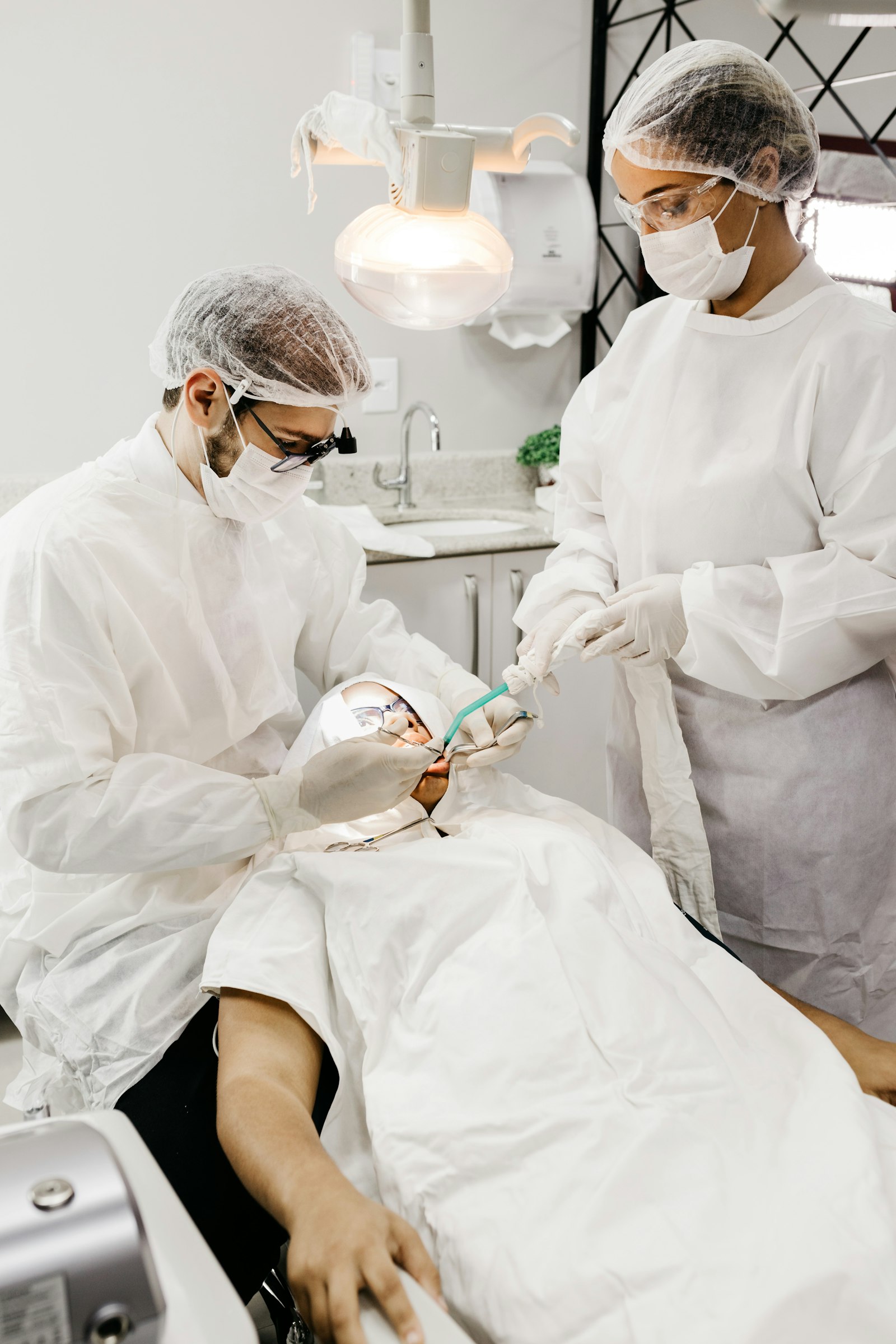
If you've got a tooth you're fairly sure has died, and you've been quietly leaving it, first thing to say is this: you are not in immediate danger, and you're far from the only one. Loads of people carry a dead tooth around for a long time before they do anything about it, so take a breath, because the honest answer to your question is calmer than the late-night search results made it sound.
The short version is that a dead tooth can stay put for months, sometimes even years, without causing you obvious grief. That said, "it can" and "it should" are two different sentences, so let's talk through what's actually going on in there and when it genuinely starts to matter.
First, What Does "Dead" Even Mean Here?
Let's clear this up, because the word sounds far more dramatic than the reality. When we say a tooth has died, we mean the soft living tissue inside it, the nerve and the tiny blood supply tucked in the middle, has stopped working. Maybe it was a knock years ago, maybe deep decay reached the centre, maybe an old filling sat too close to the nerve. Whatever the cause, the inside has given up, but the hard outer tooth you can see is still standing there.
So a dead tooth isn't going to crumble the moment it dies. It's more like a tree that's lost its life inside while the trunk stays upright for a good while yet. That's exactly why it can sit there so long without shouting about it, and it's also why so many people convince themselves it's fine and leave it be.
So, How Long Can It Really Stay There?
Honestly? A long time. We've seen teeth that died years ago still sitting in place, doing their job at mealtimes, looking mostly normal apart from perhaps a grey tinge. The nerve inside is gone, so quite often the ache that first brought your attention to it fades away, and that fading is the exact moment a lot of people decide the problem has sorted itself out.
Here's the catch, though, said gently but plainly: the pain stopping doesn't mean the problem stopped. The tooth is still dead, and the hollow space where the living tissue used to be becomes a quiet, sheltered spot where bacteria can gather over time. Most days you'd never know. But that's the reason a dead tooth is worth sorting on your terms, in a calm week of your choosing, rather than waiting for it to pick the moment for you.
What Actually Changes Over Time
You don't need to be scared of your own tooth, and you don't need to picture the worst. You just need to know the honest handful of things that can happen if a dead tooth is left for the long haul, so you can spot them early. There are really only a few, and none of them arrive without warning.
The most common one is that the bacteria in that hollow space slowly build up and eventually form an abscess, which is a pocket of infection at the root. That's the point where a tooth that had gone quiet suddenly speaks up again: an ache that returns, tenderness when you bite, a little bump on the gum, maybe a bad taste. It's your body flagging that the tooth now wants attention, and it's a very treatable stage if you go and get it looked at rather than riding it out.
The tooth also tends to darken, going grey or brownish next to its neighbours, because without a blood supply the inside stains from the inside out. That one's purely cosmetic, but it bothers people, understandably, especially when it's a front tooth. And a long-dead tooth can grow more brittle over the years, so it's a touch more likely to chip, in the same way old wood turns dry.
When It Stops Being a "Wait and See" and Becomes a "Go Now"
Reassurance is honest, and so is this part, so here it is straight without any drama. A dead tooth on its own, giving you no trouble, is a "book yourself in soon" situation, not a panic. But there are a few signs that mean an infection is spreading and you shouldn't sit on it, and knowing them is genuinely all you need.
Get seen promptly if you notice real swelling in your face, cheek or jaw, swelling that's spreading rather than staying put, a fever alongside the tooth pain, or any difficulty swallowing or breathing. Those last ones are rare and they're the body telling you an infection has outgrown the tooth, and they're the point to get help the same day rather than waiting for a routine slot. We go through the fuller picture in our guide to the signs a tooth infection is spreading, but that short list covers the ones that matter most. The everyday reality for most people with a dead tooth is nowhere near this, and it never gets there, precisely because they get it dealt with first.
The Reassuring Bit: It's Very Fixable
Here's the part that should take the weight off, because a dead tooth is one of the more straightforward things a dentist deals with. There are really two roads, and both are well-trodden.
The usual one is root canal treatment, which sounds fearsome and genuinely isn't the ordeal its reputation suggests. All it really means is cleaning out that empty inner space, sealing it up so bacteria can't gather there anymore, and keeping your own tooth in place. At UrgentCare Dental that starts from £399, and modern anaesthetic means it feels much like having a filling done. The other road, if the tooth is too far gone to save, is to remove it, which starts from £149 with us, and then look at replacing it later if you'd like to. Either way, the situation has an ending, and a comfortable one.
We also know that for a lot of people the real reason a dead tooth gets left isn't the tooth at all, it's the nerves about walking through the door. If that's you, that's completely understandable and you're in good company, and our guide to dental anxiety and the ways we make it easier might be a kinder read than you expect. Being anxious is never a reason we'd judge you. It's just a reason to be gentle, and we are.
Your Questions, Answered Straight
Can a dead tooth stay in your mouth for years?
Yes, it can, and for some people it does. The visible part of the tooth stays solid after the inside dies, so it can carry on for a long time without obvious problems. The reason we'd still suggest sorting it is that the hollow inside can slowly become a spot for infection, and it's far easier to deal with calmly and early than to wait for it to flare up.
Is a dead tooth an emergency?
Usually not on its own. A dead tooth that isn't causing pain or swelling is something to book in for soon rather than rush in for today. It becomes urgent if you get spreading facial swelling, a fever with the tooth pain, or any trouble swallowing or breathing, and those signs mean you should be seen the same day.
Will a dead tooth eventually fall out?
It's uncommon for a dead tooth to simply drop out, because the root can stay anchored in the bone even after the inside has died. What's more likely over the years is that it becomes brittle and chips, or that infection at the root builds up. Neither tends to resolve by itself, which is why having a dentist take a look is the surer path.
Does a dead tooth need to be removed?
Not always, and that's good news. Many dead teeth are saved with root canal treatment, which cleans and seals the inside while keeping your natural tooth. Removal is only the answer when a tooth is too damaged to rescue, and even then you've got good options to replace it afterwards.
The Honest Summary
So, how long can a dead tooth stay in your mouth? Long enough that you don't need to panic tonight, but not so harmlessly that it's worth leaving forever. The tooth won't sort itself out, and the kindest thing you can do for yourself is deal with it in a calm, chosen moment rather than waiting for it to choose the moment for you.
The simplest first step is just to let someone have a proper look and tell you honestly where things stand. Our £20 assessment includes X-rays, which is exactly what's needed to see what a dead tooth is doing beneath the surface, and from there we'll lay out your options plainly, with no pressure and no lecture. If you'd like the fuller picture on the warning signs first, our guide to the signs and treatment of a dead tooth is a good companion read. Whichever way you come at it, you'll end up knowing exactly where you stand, and that alone tends to feel a great deal better than wondering.
Need Emergency Dental Care?
Same-day appointments from just £20. Open 24 hours, 7 days a week.
Or see every treatment we offer, with prices →