Invisalign
Invisalign Tray Not Fitting? Here's What to Do


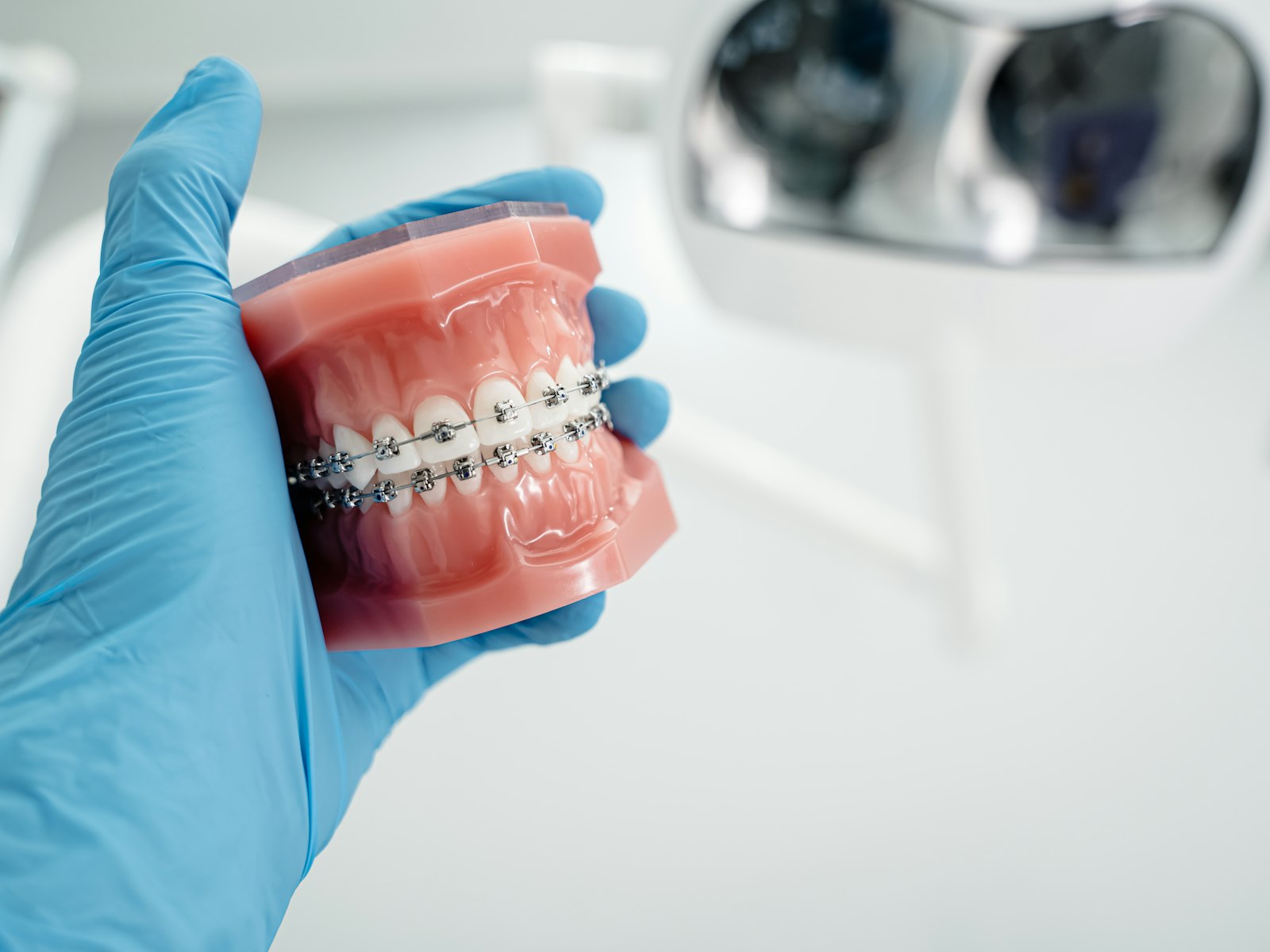
You've popped in a new aligner and something's off: there's a little gap between the tray and the edge of a tooth, or it just won't click down the way it should. Take a breath, because this is a really common bump in the road, and in most cases it's sorted with a few simple things you can start doing today.
We'll explain what's actually going on when a tray won't seat, the easy fixes that get your teeth back on track, and the honest signs that it's time to give your dentist a ring. By the end you'll know whether to keep calm and carry on or pick up the phone, which is exactly the clarity you want mid-treatment.
What a Poorly Fitting Tray Is Telling You
Here's the key idea, and once it clicks the whole thing makes sense. Your aligners are made to a plan, each one shaped like where your teeth are meant to be at that stage. When a tray doesn't fit snugly, usually with a small gap at the biting edge of a tooth, it means that tooth hasn't quite caught up to the plan yet. Dentists call this the aligner "not tracking," and it simply means your teeth are running a little behind schedule. It's the very same idea behind a retainer that suddenly feels tight after a break from wearing it: the teeth have drifted just a touch, and the fit is only catching them back up.
Think of it like a group hike where one walker has fallen slightly behind. Nothing's broken, the walk isn't ruined, they just need a moment to catch up before everyone moves on together. Your lagging tooth is the same, and most of the fixes below are really just ways of helping it catch up so the next tray fits beautifully. So don't read a gap as a disaster, read it as useful information.
The Easy Fixes to Try First
Good news: the most effective things you can do are simple, and you can start right now. Here's where to begin.
The first and biggest one is wear time. Aligners only move teeth while they're actually in your mouth, and they need around 20 to 22 hours a day to keep pace with the plan. It's astonishing how quickly a tray falls behind if it's spending long stretches out for meals, drinks, and forgetful evenings. If your fit has slipped, the honest first question is whether you've truly been hitting those hours, because tightening up your wear time alone fixes a great many tracking troubles.
The second is a lovely little tool called chewies. These are small, soft foam cylinders you bite down on for a few minutes, working around your mouth, and they help push each aligner fully down onto your teeth so it seats properly. A tray that looks like it's not fitting is sometimes just not pushed all the way home, and a good chew several times a day closes those tiny gaps and improves the fit as you go. If you don't have chewies, ask us and we'll sort you out, because they genuinely make a difference.
The third gentle option, if a new tray simply won't seat, is to go back to your previous aligner for a few extra days and wear it faithfully before trying the new one again. That gives the lagging tooth time to catch up, and often the next tray then slips on far more easily. A few days here or there won't derail your treatment, so there's no need to panic about the timeline.
Why Trays Fall Behind in the First Place
It helps to know the usual culprits, because spotting yours makes it easier to stay on track from here.
By far the most common reason is simply not wearing the aligners enough, which we've covered, so if that's you, you're in good and fixable company. Another is moving to a new tray too soon, before the current one has finished its job, which starts the next stage already a step behind. Some teeth are also just trickier to move than others, especially rounded ones like canines that the aligner struggles to grip, and those can lag through no fault of yours at all. And now and then a tray gets warped by hot water when cleaning, so always rinse aligners in cool water, since heat softens the plastic and ruins the fit.
None of these are anything to feel bad about. Treatment is a living process, and small adjustments along the way are completely normal, which is exactly why your dentist stays involved rather than handing you a box and waving goodbye.
When to Call Your Dentist
Here's the honest guidance on when the DIY fixes have done their bit and it's time to get us involved. If a gap is small and you've stepped up your wear time and chewie use, it's usually fine to keep going and let your teeth catch up over the next tray or two. But if the gap is large, isn't closing after a couple of weeks of diligent wear, or a tray is genuinely not seating no matter what you do, that's your cue to get in touch rather than push on and hope.
The reassuring part is that this is a routine fix for us, not a failure. Sometimes we'll take a fresh scan and order a set of refinement aligners, which are simply new trays made to your teeth's current position to guide them the rest of the way, and this is a normal, planned part of many treatments rather than a sign anything went wrong. So please never soldier on in silence worrying you've broken something. A quick check gets you back on plan, and that's what we're here for.
Keeping Things on Track From Here
A few small habits keep future trays fitting nicely, and they're easy to build in. Wear each aligner the full 20 to 22 hours, use your chewies for a few minutes several times a day especially with a new tray, and only move to the next aligner on schedule, not early. Rinse in cool water, keep the trays clean, and store them safely so none go missing, since a lost aligner sets you back too.
If speaking with your new trays ever feels odd at the start, that's a separate and equally normal thing we cover in our guide to the Invisalign lisp. And if you're earlier in your journey or just weighing it all up, our honest look at whether clear aligners are worth it puts the whole experience in perspective. Little bumps like a snug tray are part of the process, not a reason to lose heart.
Your Questions, Answered
Why is my Invisalign tray not fitting properly?
Almost always because a tooth is lagging slightly behind the plan, which shows up as a small gap at the biting edge. The most common reason is not wearing the aligners the full 20 to 22 hours a day, though moving to a new tray too early or a naturally stubborn tooth can do it too. Stepping up wear time and using chewies usually closes the gap.
What are chewies and do they actually help?
Chewies are small, soft foam cylinders you bite on for a few minutes to push your aligners fully onto your teeth. They genuinely help, because a tray that looks like it isn't fitting is often just not seated all the way down. Using them several times a day, especially with each new tray, improves the fit and helps your teeth keep pace with the plan. Ask us for some if you don't have any.
Can I go back to my previous aligner if the new one won't fit?
Yes, and it's a sensible move. If a new tray won't seat, wearing your previous aligner faithfully for a few extra days gives the lagging tooth time to catch up, and the new one often fits far better afterwards. A short pause like this won't harm your overall timeline, so there's no need to force a tray that isn't ready.
When should I contact my dentist about a tray not fitting?
If a gap is large, hasn't closed after a couple of weeks of proper wear, or a tray simply won't seat no matter what you try, get in touch. This is routine for us, not a failure. We may take a fresh scan and arrange refinement aligners to guide your teeth the rest of the way, which is a normal, planned part of many treatments. Don't struggle on alone.
The Short Version
A tray that won't sit flush is usually just telling you a tooth has fallen a little behind the plan, and the fixes are refreshingly simple: wear your aligners the full 20 to 22 hours, use chewies to seat them properly, and if needed drop back a tray for a few days to let things catch up. Rinse in cool water and only advance on schedule, and most fitting troubles sort themselves out.
If the gap is stubborn or a tray genuinely won't seat, that's not a setback, it's just a quick check-in for us to make. Get in touch, or come in for a look, and we'll get you comfortably back on track toward the finish line, no drama and no lost progress.
Want Straighter Teeth?
Clear aligners from £999, or from £22/month at 12.9% APR over 5 years. Free consultation included.
Or see how clear aligners fit with our other treatments →