Dental Crowns
Loose Crown Emergency Fix


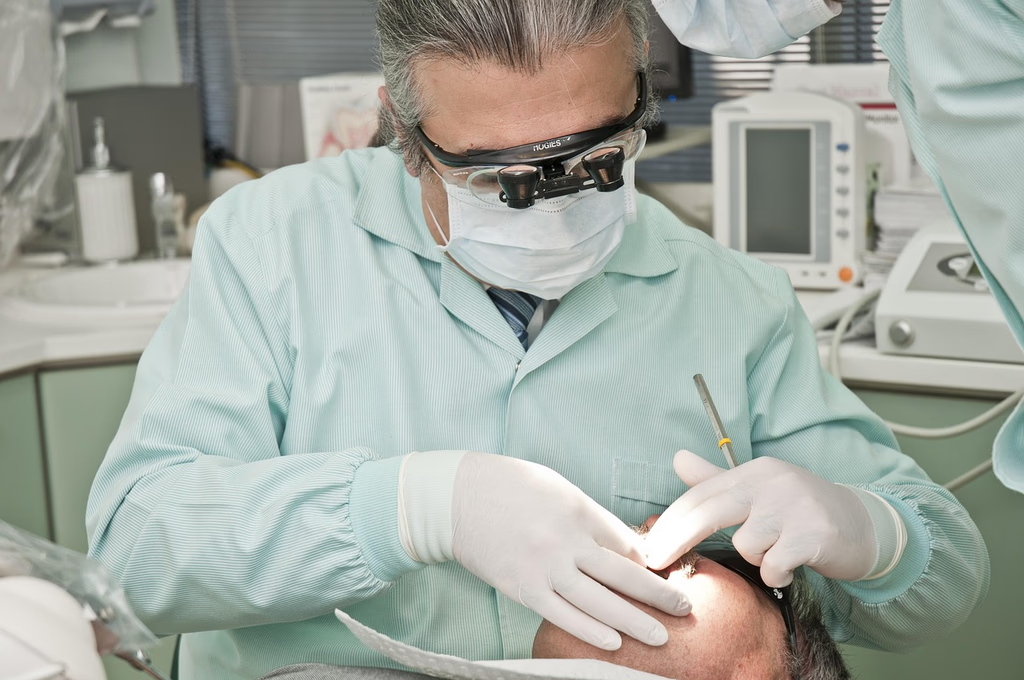
A loose crown isn't quite the same as a knocked-out tooth or uncontrollable bleeding, but it sits in that uncomfortable middle ground where you're not sure if you need to drop everything and see a dentist immediately or if it can wait until Monday.
Here's what actually determines urgency: pain level, whether the crown has come completely off, what the tooth underneath looks like, and how worried you are about swallowing it. A crown wobbling slightly with no pain is very different from one that's fallen out entirely, leaving a sensitive tooth exposed.
The options break down into four paths: get an emergency appointment for immediate re-cementing, use temporary dental cement from a pharmacy as a stopgap, book a regular appointment within a few days, or accept that the crown needs replacing rather than re-cementing. Which path makes sense depends entirely on your specific situation and what's actually happening in your mouth.
What To Do If Your Crown Just Fell Off
If it's just happened and your heart's racing a little, take a breath, because you've got more time than it feels like right now. Here's the short version of what to do, and then we'll walk through each situation properly below.
- Find the crown and keep it somewhere safe. It's a small thing that slips down a plughole easily, and if it's undamaged your dentist can often simply pop it back on, which saves you the cost of a whole new crown.
- Don't hold it in your mouth or let yourself risk swallowing it, because a loose crown can slip down when you're not thinking about it. If you have swallowed it and you're struggling to breathe or you've got chest pain, treat that as a medical emergency and head straight to A&E rather than a dentist.
- Give the crown and the tooth a gentle clean. A soft rinse with warm water clears away old cement and bits of food so nothing gets trapped underneath.
- Pick up some temporary dental cement from a pharmacy as a stopgap. A tube is only around £5 to £15, it holds the crown in place for a few days, and it shields the exposed tooth from cold and bacteria while you arrange a proper fix. Never reach for household glue or superglue, because those aren't safe for your mouth and make the real repair much harder later.
- Book a same-day emergency appointment if you're in real pain, there's any swelling, or the tooth is so sensitive you can't eat or drink. Our emergency appointments are £20, and a straightforward re-cement often takes just 10 to 30 minutes.
If your crown is only slightly wobbly and there's no pain at all, you probably don't need to rush; a regular appointment in the next few days is usually absolutely fine. The rest of this guide helps you work out which of those situations is yours.
When It's Actually Urgent
Severe pain indicates something wrong beyond just a loose crown. The tooth underneath might be decayed, infected, or damaged. This warrants an emergency appointment because the pain won't resolve on its own, and the exposed tooth risks worsening.
Heavy bleeding from the gum around the crown means trauma or infection. Normal slight bleeding when a crown loosens doesn't qualify as an emergency, but continuous bleeding that won't stop with gentle pressure requires same-day attention.
Swelling around the tooth or gum suggests infection, which can spread if left untreated. Combined with a loose crown, this becomes a genuine emergency requiring antibiotics and immediate assessment.
Jagged edges on a damaged crown that cut your tongue or cheek create ongoing injury. While not medically urgent in the sense of being dangerous, the constant cutting warrants quick resolution to prevent worse damage and discomfort.
Complete loss of the crown with severe sensitivity means the tooth underneath can't tolerate any temperature or pressure. If you can't eat or drink without significant pain, waiting days becomes impractical.
If you've actually swallowed the crown, that's a different kind of urgent. Most swallowed crowns pass through without issue, but if you're experiencing chest pain, difficulty swallowing, or breathing problems, that's a medical emergency requiring A&E, not a dentist.
Emergency Re-Cementing: The Fast Fix
Emergency dental appointments at UrgentCare Dental cost £20 for immediate attention. If the dentist can simply re-cement your existing crown, you'll pay the emergency fee plus re-cementing costs. Some practices charge £40 to £100 for re-cementing, though prices vary across the UK.
The process takes 10 to 30 minutes when straightforward. The dentist cleans old cement from both the crown and tooth, checks the fit, ensures no decay or damage underneath, applies fresh dental cement, and positions the crown. You bite down on gauze for a few minutes while the cement sets.
This only works if several conditions are met. The crown itself must be undamaged with no chips, cracks, or fractures. The tooth underneath must be sound with no new decay. The crown must still fit properly. If any of these conditions fail, re-cementing isn't an option, and you're looking at crown replacement instead.
Many practices offer same-day emergency slots, though availability varies. UrgentCare Dental offers emergency appointments for £20, making urgent care accessible. Some clinics set aside specific emergency appointments daily. Others operate walk-in systems during certain hours. Weekend and evening emergency appointments at some practices cost more, around £105 versus £75 for weekday slots.
The cement used for re-cementing should last years if done properly, though crowns can still loosen again eventually. Common causes of repeated loosening include inadequate cement bonding the first time, decay developing underneath, or habits like grinding teeth that put excessive force on the crown.
Temporary Fix at Home: The Stopgap
Dental cement (also called temporary crown adhesive) costs £5 to £15 at pharmacies and online. Brands like Dentek and Recapit are common in UK chemists. The cement comes with instructions, but the basic process is straightforward.
Clean the crown thoroughly inside and out. Remove any old cement stuck inside using a toothbrush. Rinse both the crown and your tooth with water. Dry both surfaces as completely as possible using tissue or gauze. Moisture prevents proper adhesion.
Apply a small amount of dental cement inside the crown. Less is more here; too much cement will ooze out when you press the crown down. Position the crown carefully over your tooth. Bite down gently and hold for the time specified in the instructions, usually 60 seconds to 5 minutes depending on the brand.
Wipe away any excess cement that squeezes out immediately. Once set, avoid eating on that side for at least an hour, preferably several hours. The cement needs time to fully harden.
This temporary solution can last days to a few weeks. It's not permanent cement and isn't meant to be. The point is protecting the tooth and keeping the crown in place until you can see a dentist for proper re-cementing.
What temporary cement absolutely won't do is fix any underlying problems. If decay caused the crown to loosen, temporary cement just masks the issue. If the crown doesn't fit properly anymore, temporary cement can't correct that. You're buying time, not solving the problem permanently.
Never use household glue, superglue, or any non-dental adhesive. These products aren't safe for your mouth, can damage both crown and tooth, and make the dentist's job harder when you eventually get proper treatment. Dental cement is specifically formulated to be safe and non-toxic.
If you've lost the crown entirely and can't find it, you can coat the exposed tooth with dental cement to protect it temporarily. This won't look normal, but it will reduce sensitivity and protect against bacteria until you can get proper treatment.
Regular Appointment Within Days: The Planned Approach
Not every loose crown requires emergency attention. If the crown is slightly loose but still in place, causing minimal discomfort, and you can avoid using that side of your mouth, booking a regular appointment makes more sense than paying emergency fees.
Regular appointments typically cost less than emergency ones. The same re-cementing procedure that costs £50 to £100 as an emergency might cost £40 to £75 during a regular appointment, though practices vary.
Waiting a few days works when you can manage the situation. Eat soft foods, avoid chewing on the affected side, maintain gentle cleaning around the area, and keep the crown in place with careful handling. If the crown starts moving more or pain develops, escalate to emergency care.
The risk with waiting is progression. A slightly loose crown can fall out completely. A tooth with mild sensitivity can develop severe pain. Small amounts of decay can worsen. These risks are generally low over a few days but increase the longer you wait.
Some people use temporary cement while waiting for their regular appointment. This combines both approaches: immediate protection via temporary fix, followed by proper treatment within days rather than hours.
Crown Replacement: When Re-Cementing Won't Work
Sometimes a crown can't be re-cemented and needs complete replacement. This happens when the crown itself is damaged, when decay has developed under the crown, when the tooth structure has changed and the crown no longer fits, or when the old crown is simply too degraded.
New crown costs run £650 at UrgentCare Dental, or up to £1,500 at other UK practices depending on the material. Porcelain crowns cost more than metal ones. Zirconia crowns sit at the higher end. The dentist's expertise and practice location also affect pricing.
The replacement process takes multiple appointments. First visit involves removing the old crown, treating any decay or damage underneath, preparing the tooth, and taking impressions for the new crown. A temporary crown goes on while the permanent one is fabricated, usually taking one to two weeks. Second visit involves fitting and cementing the permanent crown.
Some practices offer same-day crowns using CAD/CAM technology. A digital scan replaces traditional impressions, and a milling machine fabricates the crown while you wait. This costs similarly to traditional crowns but completes in one appointment, eliminating the temporary crown phase.
If the tooth underneath has deteriorated significantly, you might need additional work before crown replacement. Root canal treatment adds £400 to £900 to the cost. Dental posts to build up the tooth structure add £100 to £300. These aren't optional if required; they're necessary for the crown to have something solid to attach to.
At this point, some people consider extraction and implant placement instead of crown replacement, particularly for back teeth. A dental implant costs £2,000 to £4,500 but lasts potentially decades. Repeated crown replacements every 10 to 15 years can eventually exceed implant costs over a lifetime.
What Actually Happens to the Tooth
When a crown loosens or comes off, the tooth underneath is exposed. This tooth was previously damaged, which is why it needed a crown in the first place. Without the crown's protection, several things can happen.
Temperature sensitivity increases dramatically. Hot and cold foods and drinks that normally cause no problems suddenly become uncomfortable or painful. This happens because the crown was insulating the tooth, and without it, nerves respond more acutely to temperature changes.
Decay risk jumps. The tooth was crowned partially because it's vulnerable. Exposed to bacteria, food particles, and saliva, decay can develop quickly on an already compromised tooth. Every day without the crown increases this risk.
Pressure sensitivity makes chewing difficult. Biting down on an exposed crowned tooth often hurts because the tooth lacks the structural support the crown provided. Even if the tooth feels fine when you're not using it, trying to eat normally can be impossible.
Adjacent teeth can shift slightly if the gap is left unfilled for extended periods. This doesn't happen over days or weeks but can occur over months. Teeth naturally drift into empty spaces, which can affect your bite.
Aesthetics matter for front teeth. A missing or loose front crown is immediately visible, affecting appearance and potentially causing self-consciousness about smiling or talking. Back teeth matter less cosmetically but equally for function.
Why Crowns Come Loose
Understanding what caused the loosening helps prevent it happening again with the replacement crown. Several common causes exist.
Old cement fails over time. Dental cement is durable but not permanent. After years of exposure to saliva, temperature changes, and chewing forces, the cement can break down. This is normal wear and tear, not a failure of the original work.
Decay under the crown weakens the bond. If oral hygiene wasn't perfect around the crown margin, bacteria can cause decay where the crown meets the tooth. This decay compromises the cement seal and eventually loosens the crown.
Chewing hard foods puts excessive force on crowns. Biting ice, hard candies, or using teeth to open packages can dislodge crowns. The force exceeds what the cement and tooth structure can handle.
Teeth grinding (bruxism) creates constant pressure on crowns, wearing down cement over time and sometimes cracking the crown itself. People who grind teeth often need night guards to protect both natural teeth and dental work.
Poor original fit means the crown never seated properly on the tooth. This is rare with experienced dentists but can happen. A poorly fitted crown will loosen much sooner than a well-fitted one.
Making Sense of Your Options
Here's the reality: if you're in significant pain or the crown has fallen out leaving a very sensitive tooth, emergency care makes sense despite the higher cost. The alternative is days of discomfort and risk of worsening problems.
If the crown is slightly loose but manageable, temporary cement from the pharmacy can buy you time to get a regular appointment without emergency fees. This path works for most people and saves £30 to £50 compared to emergency care.
If you've lost the crown but aren't in pain, temporary cement on the exposed tooth protects it while you arrange replacement. Most dentists can see you within a week for non-emergency issues.
If the crown is damaged or repeatedly comes loose, replacement rather than re-cementing becomes necessary. This costs significantly more but solves the problem long-term rather than repeatedly patching a failing crown.
The main consideration is urgency versus cost. Emergency care costs more but resolves the issue immediately. Regular appointments cost less but require managing the problem for days. Temporary fixes cost least but only delay proper treatment rather than providing it.
None of these options is "wrong." The choice depends on your pain level, the crown's condition, your schedule, and your budget. Someone with severe sensitivity can't realistically wait days even if that saves money. Someone with a slightly wobbly crown but no pain might reasonably delay emergency care.
Common Questions About a Loose Crown
Can a loose crown tighten back up on its own?
Not really, and here's why: a crown is held on by a thin layer of dental cement, and once that cement gives way there's nothing left to pull the crown back down and hold it there. It might feel like it settles for a second when you bite, but it hasn't re-bonded; it's simply resting in place. The proper fix is a dentist cleaning off the old cement and setting the crown again with fresh cement, or replacing it if the crown or the tooth underneath has changed too much.
What should I do if my crown is loose?
You've got a few gentle options, and the right one depends on how it feels. If it's barely moving and there's no pain, you can usually keep the area clean, chew on the other side, and book a regular appointment in the next few days. If it's come right off or the tooth feels sensitive, a dab of pharmacy dental cement holds it in place as a stopgap while you arrange to be seen. And if there's real pain, swelling, or you simply can't eat, that's the moment for a same-day emergency appointment. The one thing to steer clear of completely is household glue, because it isn't safe for your mouth and makes a proper repair much harder.
What will a dentist do with a loose crown?
If the crown and the tooth underneath are both healthy, it's wonderfully quick. The dentist cleans the old cement off both surfaces, checks the fit, makes sure no new decay is hiding underneath, then re-cements the crown and has you bite down gently while it sets. Start to finish, that's often just 10 to 30 minutes. If the crown is cracked, or decay has crept in, or the tooth has changed shape, re-cementing won't hold, and they'll talk you through a replacement instead.
How serious is a loose crown?
Most of the time it's uncomfortable rather than dangerous, so there's no need to panic. What makes it more pressing is pain, swelling, or a tooth so sensitive you can't eat or drink, because those signs point to something going on beneath the crown that's worth seeing quickly. It's also wise not to leave it too long even when it feels fine, because the tooth under a crown was already vulnerable, and every day it sits exposed gives decay and sensitivity a chance to set in. The one genuine emergency is swallowing the crown and then struggling to breathe or having chest pain, which means A&E rather than a dentist.
Broken tooth or lost filling? Usually a quick fix.
£20 emergency appointment today. These are among the quickest repairs we do, and you'll know the exact price before anything starts.
Or see every emergency treatment, with prices →