Cosmetic Dentistry
Teeth Whitening Cost UK 2026: £200-£1,000 Explained


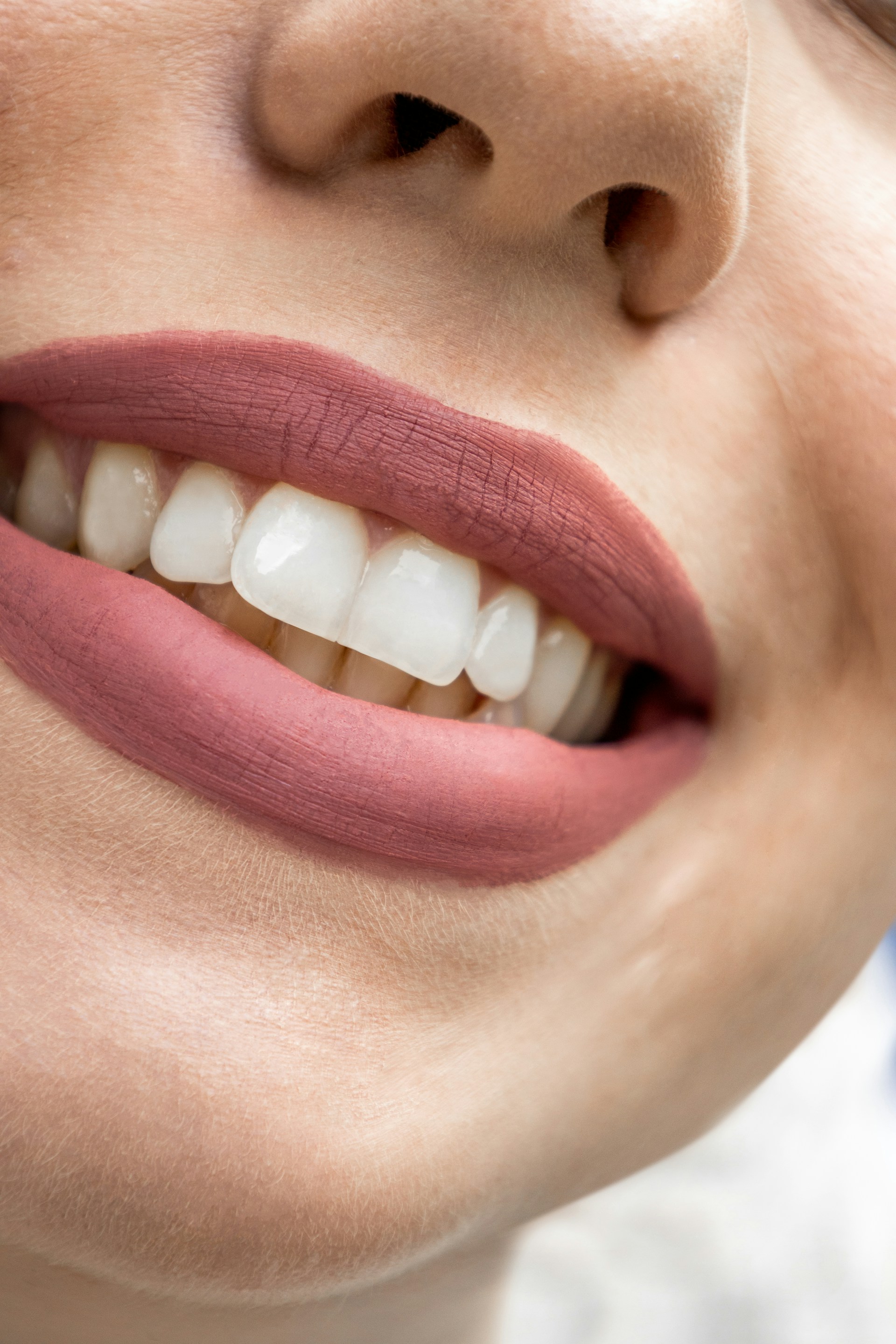
Here's the honest UK picture in one breath: teeth whitening at a dentist costs somewhere between £200 and £1,000, and where you land in that range comes down almost entirely to which of three routes you choose. A custom take-home kit is commonly quoted at £200 to £400, an in-chair session at £400 to £700 (the premium laser systems reach £1,000), and once you own your trays, a top-up is usually £30 to £80. At UrgentCare Dental, the take-home kit is £349, in-chair whitening is £549, and a touch-up session is £50, and the consultation is free.
That's the whole answer, and if you only came for the number you can stop there with our blessing. Stay a little longer, though, because the interesting part is why those numbers sit where they do: what a clinic is really charging you for, what quietly gets left out of some quotes, and how to tell an honest price from a padded one.
How much does teeth whitening cost in the UK?
Professional teeth whitening costs £200 to £1,000 in the UK, depending on the route. Take-home kits from a dentist are commonly quoted at £200 to £400, in-chair whitening at £400 to £700, and laser or premium power systems reach £1,000. At UrgentCare Dental, the take-home kit is £349, in-chair whitening is £549, and touch-ups are £50 a session once you own your trays. Here's the whole spread in one place, so you can see what each option involves and where we sit within it:
| Whitening option | Typical UK range | At UrgentCare Dental | How long it takes | Who it suits |
|---|---|---|---|---|
| Shop-bought strips and kits | £20–£100 | Not something we sell | A week or two of daily use | Light surface staining, if the budget stops there |
| Take-home kit from a dentist | £200–£400 | £349 | Around two weeks at home | Most people: gradual, even, and you keep the trays |
| In-chair, laser or power whitening | £400–£700, up to £1,000 for premium systems | £549 | About an hour in the chair | A deadline: a wedding, photos, an interview |
| Combination (chair session plus trays) | £500–£900 | Ask us at the consultation | An hour, then a fortnight of trays | The fastest start with the easiest upkeep |
| Top-up once you own trays | £30–£80 | £50 | A few nights with fresh gel | Keeping a result bright, years later |
If you want the full picture of how the at-home and in-clinic routes compare, our guide to professional versus home whitening goes deeper. For now, here's what each of the professional options actually involves.
Most people go for a take-home kit from their dentist, which runs £200 to £400 across the UK and £349 with us. Your dentist takes impressions, makes custom trays that fit your teeth precisely, and gives you professional-strength gel to use at home. You wear the trays for around two weeks, usually overnight or for a few hours during the day, and the colour gradually shifts. The results are the same kind of results as in-chair whitening; it just takes a fortnight to get there instead of an hour.
If you'd rather walk out with the results already visible, that's in-chair whitening, sometimes called laser whitening or power whitening. Across the UK it runs between £400 and £700, up to around £1,000 for the premium systems, and it's £549 at UrgentCare Dental. You sit in the dental chair for about an hour while your dentist applies high-concentration gel, often activated by a special light. It's the instant gratification option, and some people really value that, especially if there's an event coming up.
Then there's the best-of-both-worlds approach. Combination treatments give you a session in the chair to kick things off, then custom trays for ongoing maintenance. These packages usually sit around £500 to £900, and if that sounds like you, ask us about it at the consultation.
What Decides the Price
Now, why does one clinic quote £300 and another £900 for what sounds like the same thing? Four things, mostly, and once you can see them you can read any whitening quote in the country.
The first is chair time. An in-chair session means an hour of a dentist, a nurse, and a surgery, and that hour is the expensive part of dentistry wherever you go. A take-home kit needs the same dentist to check you and take impressions, but you do the wearing yourself in your own front room, which is why take-home sits a couple of hundred pounds below in-chair at almost every practice in the country, ours included.
The second is the system. You'll see whitening sold under brand names, and it helps to know what you're actually being quoted for, because the same peroxide chemistry can carry very different price tags depending on whose name is on the box:
| Branded system | What it is | Typical UK cost |
|---|---|---|
| Take-home trays | Custom trays made by your dentist, worn at home | £200–£400 |
| Philips Zoom | In-chair, light-activated whitening | £295–£450 |
| Laser / power whitening | High-concentration gel in a single visit | £450–£1,000 |
| Enlighten | Combined home-and-chair system, promising a set shade | £595–£750 |
The third is where you are. London practices tend to charge more simply because their overheads are higher, while a practice in Leeds, Manchester, or Bradford can offer the same treatment for less:
| Where you are | Typical professional whitening |
|---|---|
| London | £400–£1,000 |
| Midlands | £300–£700 |
| The North (Leeds, Manchester, Bradford) | £250–£600 |
Our own £349 take-home and £549 in-chair prices sit right at the friendly end of that Northern band, which is a big part of why professional whitening is more affordable with us than most people assume before they look.
The fourth is what's actually in the quote, and this is the one that catches people out, so it gets its own section.
What's Included, and What Costs Extra
A whitening price is only honest if you know what it buys, because two clinics can both say "£400" and mean quite different things. So here's what to check on any quote, and what's in ours.
Start with the consultation, because some practices charge for it before you've decided anything. At UrgentCare Dental the consultation is free: a dentist looks at your teeth and gums in person, tells you honestly whether whitening will work for you, and if it won't, that costs you nothing. A small deposit holds the appointment and comes straight back when you attend.
Then the trays. With a take-home kit, the custom trays are the thing you're really buying, because they're what keeps the gel on your enamel and off your gums, and they last for years. Ours are included in the £349 and they're yours to keep, so a top-up later means fresh gel rather than starting over. Elsewhere, check whether the trays are in the headline price and whether a replacement costs extra if you lose one.
Then the gel refills, which is where the ongoing cost lives. A syringe of professional gel commonly runs £30 to £50 across the UK, and a top-up appointment anywhere from £30 to £80. Ours is £50 a session, with no new impressions. And if you're on one of our care plans, whitening top-ups are included: two syringes a year for adults, topped up at your hygiene visits.
Whichever route you pick with us, in-chair or take-home, the same things come as standard: the free consultation, the in-person dentist check, your shade taken before and after so you can see the change rather than guess at it, sensitivity guidance, aftercare advice, and top-ups at £50. Follow-up appointments after any treatment we've done are free too, which matters more than it sounds when a question turns up a week later.
What's genuinely extra, here and everywhere, is anything your teeth need before whitening can go ahead. If your gums are sore or bleeding we treat that first, then whiten, and the check is there to find hidden decay before the gel does, because whitening over a problem you didn't know about hurts and helps nobody. Those are separate treatments with their own prices, and you'll know them before anything starts.
Why Teeth Go Yellow in the First Place (It's Probably Not Your Fault)
Here's something most people don't realise: your teeth were always going to get yellower. It's just what happens.
The outer layer of your teeth, the enamel, is actually slightly translucent. Underneath it sits another layer called dentin, which is naturally more yellow. When you're young, your enamel is thick and bright and hides the dentin pretty well. But enamel wears down over time. Slowly, year by year, that yellower layer underneath starts showing through more.
This happens to everyone. Nobody did anything wrong here. It's just teeth doing what teeth do.
Now, yes, coffee and tea and red wine speed things up. So does smoking. These leave stains on the surface of your enamel, adding to the yellowing effect. But even if you'd spent your whole life drinking nothing but water, your teeth would still be darker now than they were when you were twenty. That's just biology.
The good news? Both kinds of yellowing respond really well to whitening. The surface stains from coffee and wine lift off beautifully. And the deeper discolouration from thinning enamel can be brightened too. Professional whitening works on both.
Why Shop-Bought Whitening Never Quite Delivers
You've probably tried the strips. Or the toothpaste that promises "whiter teeth in two weeks." Or one of those LED light kits from Amazon that seemed promising at midnight but arrived looking a bit suspicious.
And maybe you saw... something? A slight difference? Hard to tell, really.
There's a reason for that, and it comes down to chemistry. Under UK law, over-the-counter whitening products can only contain 0.1% hydrogen peroxide. That's the active ingredient that actually bleaches the stains out of your enamel.
Dentists, on the other hand, can legally use up to 6% hydrogen peroxide. That's sixty times stronger.
There's a good reason for the rule. The higher concentrations genuinely require professional supervision because they need to be applied correctly, with your gums protected, by someone who knows what they're doing. But the trade-off is results that actually show up in a meaningful way.
Shop-bought kits can lift a shade or so on light staining, and that's about their ceiling, because the law ties one hand behind their back. The other risk runs the opposite way: a Which? investigation found that 21 out of 36 online whitening products actually exceeded the legal hydrogen peroxide limit, some by as much as 300 times. So you're either getting something too weak to work, or something illegally strong that could damage your teeth and gums without proper application. Neither option is ideal.
What to Honestly Expect From the Shade Change
For most people, whitening works exactly as hoped. The stains from years of coffee and tea lift away, the general yellowing brightens up, and you're left with a smile that looks like a fresher, more awake version of yourself. Clinics commonly quote up to six to eight shades on the dentist's shade guide for in-chair whitening, and a little less for take-home, but the honest way to say it is "several shades brighter", because the exact number your teeth reach is yours and nobody else's. That's why we take your shade before and after: so you see the difference rather than take anyone's word for it.
Where the number lands depends on what's causing the colour in the first place. Surface stains (the coffee, the tea, the red wine) and the general yellowing of age both respond beautifully, because that's precisely what the gel is built to break apart. If your discolouration comes from tetracycline antibiotics taken during childhood, or from fluorosis (too much fluoride while the teeth were forming), you're dealing with what dentists call intrinsic staining: colour inside the tooth structure itself rather than sitting on the surface. Whitening can still help, but the results tend to be less dramatic, and you may need more sessions to get where you want to be. And a single grey tooth that's darkened from the inside after an old knock doesn't respond to whitening from the outside at all; that one needs a different conversation.
Here's the one that catches people off guard: whitening only works on natural teeth. If you've got crowns, veneers, or tooth-coloured fillings on your front teeth, those won't change colour. They'll stay exactly the shade they were made while your natural teeth brighten around them. (Dentures are their own story, and if you wear them there's a separate, much cheaper way to freshen those up.)
You can still whiten with dental work in place; it just means sequencing matters. Often the smart move is to whiten first, get your natural teeth to the shade you want, and then have any visible restorations updated to match. Your dentist can talk you through what makes sense for your specific situation.
Two more honest lines while we're here. Whitening is adult-only in the UK, by law, so under-18s wait. And if you're pregnant or breastfeeding, the sensible answer is simply to wait a few months as well, because nobody has tested it enough in those situations to promise it's fine, and there's no rush that can't wait.
The consultation exists precisely for this kind of thing. A good dentist will take one look and tell you honestly: "Yes, this will work brilliantly for you" or "Actually, here's what we'd need to think about first."
How Long the Results Last
This is where professional whitening really earns its keep. With good care, a professional result holds for one to three years before you'd want a top-up, whether you whitened in the chair or at home with trays, with heavy tea and coffee drinkers nearer the shorter end and water drinkers nearer the longer one.
Compare that to over-the-counter products, which might give you a few months of subtle improvement at best, and you start to see the value equation differently.
Of course, "with good care" is doing some work in that sentence. If you're drinking coffee and red wine daily and smoking, your results won't last as long. But most people find that their professional whitening stays noticeably brighter than their starting point for a good long while. Our guide to how long whitening lasts has the full story, including the odd first forty-eight hours.
The other thing worth knowing: once you've had the custom trays made, top-ups become much cheaper. At UrgentCare Dental, a touch-up session is £50. The trays last for years, so you're only paying for fresh gel when you want to brighten things up again.
The Sensitivity Question
People worry about this, and that's fair. Whitening can cause temporary sensitivity in some people, a kind of zingy feeling when you drink something cold or breathe in cold air.
The key word there is temporary. For most people, any sensitivity fades within a day or two, and with the take-home route you set the pace: skip a night, carry on the next. Professional whitening also tends to cause less sensitivity than using over-the-counter products for weeks on end, because you get results faster rather than exposing your teeth to lower-grade bleaching agents week after week.
If you already have sensitive teeth, tell us at the consultation. We can match the gel and the schedule to you, and a sensitive toothpaste in the days around your course smooths most of it over. And if anything feels off while you're whitening, you have a dentist to call, which is the whole difference between whitening with us and whitening from a box.
Common Questions About Teeth Whitening Costs
How much does teeth whitening cost at a dentist in the UK?
Most UK dentists quote £200 to £400 for a custom take-home kit and £400 to £700 for an in-chair session, with premium laser systems reaching £1,000. At UrgentCare Dental the take-home kit is £349, in-chair whitening is £549, and the consultation to find out which suits you is free.
How much is laser teeth whitening in the UK?
Laser whitening is in-chair whitening with the gel activated by a light, and UK clinics commonly quote £450 to £1,000 for it, with London at the top of that range. The light is a small part of the result; the gel does the work. Our in-chair whitening is £549, takes about an hour, and is the route to pick if you've got a date to be bright for.
How long does dentist teeth whitening last?
One to three years for most people, whether you whiten in the chair or at home with trays, because the gel breaks the stains apart for good and it's new tea and coffee that slowly builds the colour back. Once you own custom trays, a £50 top-up brings it straight back, and our guide to how long whitening lasts has the full story.
Does whitening work on crowns, veneers, or fillings?
No. Whitening only lifts the colour of natural teeth, so crowns, veneers, and tooth-coloured fillings stay exactly the shade they were made. If you've got visible dental work, the usual move is to whiten first and then match any new restorations to your brighter natural shade, and we'll tell you at the consultation whether that's the right order for your mouth.
Can yellow teeth be made white again?
Usually, yes, and yellowed teeth are often the ones that change the most, because yellowing is trapped stain from years of tea, coffee, and food, and stain is exactly what whitening gel lifts. Grey teeth, or a single tooth darkened from the inside, are the exception: that colour comes from within the tooth, and a different treatment is the honest route. If you're weighing it up, our guide to whether whitening is worth paying for walks through when we'd say yes and when we'd say save your money.
Is teeth whitening available on the NHS?
No. Whitening is cosmetic, so the NHS doesn't provide it, and in practice almost nowhere is taking on new NHS patients for anything now. Privately it's straightforward: from £349 for a take-home kit with us, with a free consultation first to make sure it's right for you.
The Moment People Describe
There's this specific moment that comes up again and again when people talk about getting their teeth whitened.
It's usually a few days after the treatment, once any initial sensitivity has settled and they've stopped obsessively checking their teeth in every reflective surface. They're going about their normal day, maybe catching a glimpse of themselves in a shop window or a bathroom mirror, and something feels different.
It takes a second to place it. And then they realise: oh, I'm smiling. Just... smiling. Without thinking about it. Without checking first.
That's the thing about teeth. When you're self-conscious about them, you develop all these little habits without even noticing. The closed-lip smile in photos. The hand that comes up to cover your mouth when you laugh. The way you angle your face in video calls.
And then suddenly those habits don't feel necessary anymore. The thing you were protecting yourself from just... isn't there anymore, so the habits quietly retire themselves.
That's what people are actually paying for, underneath the chemistry and the trays and the appointments. They're paying to get out of their own way.
Whitening at UrgentCare Dental
So, the door, if you'd like it. Take-home whitening is £349, in-chair whitening is £549, and touch-ups are £50 a session, at any of our three clinics: Leeds, on the Whitehall Estate in Armley; Manchester; and our Bradford practice, right on Main Street in Bingley. Each one is the same thing: a dentist checking your teeth and gums first, then the same gel and the same care. And if there's an offer running on the take-home kit when you look, you'll find it on those pages.
If you're thinking about clear aligners to straighten your teeth as well, our aligner packages include whitening, and our smile makeover plans bundle whitening in with straightening and bonding so the plan costs less than the parts added up. It's worth asking about, because straightening and whitening together is genuinely transformative.
The consultation to figure all this out? That's free at UrgentCare Dental. No obligation, just a proper look at your teeth and an honest conversation about what would actually make a difference.
You've probably been thinking about this for a while. Maybe years. Noticing your teeth in photos, wondering if it's worth it, telling yourself you'll look into it properly at some point.
This is that some point. And the version of you on the other side of it? They're going to wonder what took so long.
Ready for Your Dream Smile?
Composite bonding from £199, veneers from £695. 0% finance available on treatments over £500.
Or see all our cosmetic treatments, with prices →