Root Canal
What Is Root Canal Treatment? The Procedure Explained


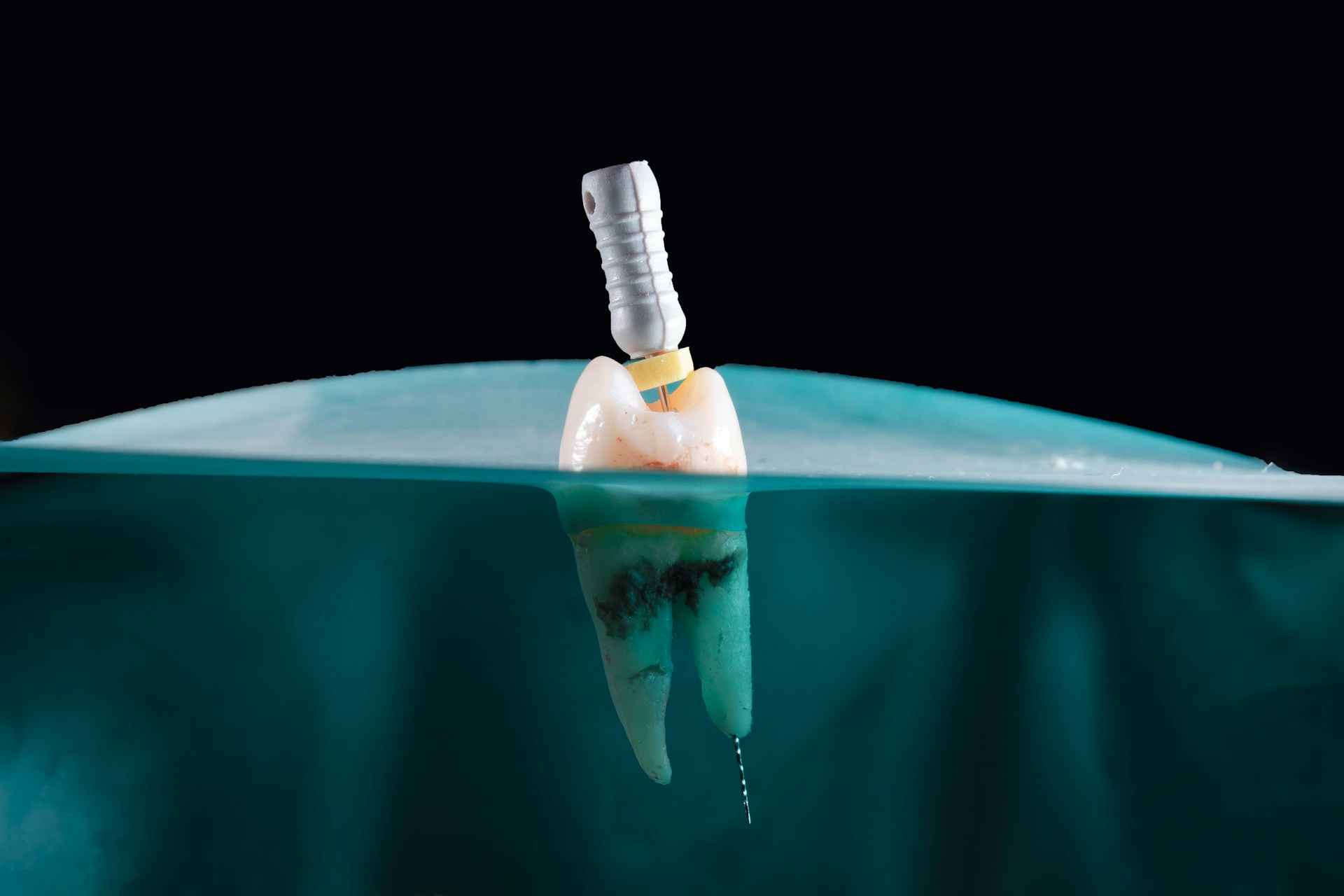
You've just been told you need a root canal.
And now you're sitting at home, probably with a toothache still throbbing away, typing those words into Google because you need to know: what exactly are they going to do to me?
Here's the first thing worth knowing. That pain you're feeling right now? The root canal is what makes it stop. The procedure has this terrifying reputation, passed down through decades of dental horror stories, but here's the truth that might genuinely surprise you: the root canal itself isn't the painful part. The infection is the painful part. The root canal is the relief.
Let's walk through what's actually happening inside your tooth, and what the treatment involves.
The short version: root canal treatment removes the infected soft tissue (the pulp) from inside your tooth, cleans and disinfects the hollow canals that run down into the roots, then seals everything up so the pain stops and the tooth gets to stay right where it is. It takes around sixty to ninety minutes, it feels a lot like having a filling done, and it rescues a tooth that would otherwise have to come out.
Here's the whole thing at a glance, from the moment you sit down to the moment you leave:
- Numbing and isolation. Your dentist fully numbs the tooth with local anaesthetic, then places a little rubber sheet called a dental dam over it to keep the area clean and dry while they work.
- Access. A small opening is made through the top of the tooth to reach the pulp chamber inside, much like the preparation for an ordinary filling.
- Removing the infected pulp. All that inflamed, infected tissue is cleared out of the chamber and the narrow canals running down into the roots, which is the part that finally takes the pain away.
- Cleaning and shaping. Tiny specialised instruments clean and shape those canals and flush them with disinfecting solution, so no bacteria are left behind to start the trouble up again.
- Filling and sealing. The empty canals are filled with a rubber-like material called gutta-percha and the opening is sealed, usually finished with a crown on the back teeth so the tooth stays strong for years.
Now let's slow down and take each of those in turn.
What's Going On Inside Your Tooth
Your teeth aren't solid all the way through. Beneath the hard white enamel on the outside and the layer of dentin underneath, there's a hollow space running down through the centre of each tooth into the roots. This space is called the root canal, and it contains soft tissue called pulp.
The pulp is made up of nerves, blood vessels, and connective tissue. When your tooth was first developing, this pulp helped it grow. But once your tooth is fully formed, it doesn't actually need the pulp anymore. The tooth can survive perfectly well without it, nourished instead by the tissues surrounding it.
This matters because sometimes that pulp gets infected.
Deep decay that reaches past the enamel and dentin. A crack in the tooth that lets bacteria in. Repeated dental procedures on the same tooth. A knock or injury that damages the pulp even without any visible crack. Any of these can cause the pulp to become inflamed or infected.
And when pulp gets infected, it hurts. Sometimes it hurts a lot. The infection can spread, forming an abscess at the root of the tooth. Left untreated, it gets worse.
Root canal treatment clears out that infected pulp, cleans and disinfects the hollow space, and seals it up so the infection can't come back. The tooth stays in your mouth, functioning normally. The pain goes away.
What Actually Happens During the Procedure
The whole thing typically takes somewhere between sixty and ninety minutes. Some complex cases need a second appointment, but many root canals are completed in a single visit. Molars in particular can have several narrow, curved canals hidden inside them, which is why some NHS dentists refer molar root canals elsewhere rather than tackling the trickiest ones themselves.
It starts with numbing. Your dentist uses local anaesthetic to completely numb the tooth and the area around it. This is the same kind of numbing you'd get for a filling. You won't feel pain during the procedure, just pressure and movement.
If you're anxious about dental work, this is worth mentioning to your dentist beforehand. Sedation options exist that can help you feel relaxed and calm, or even put you into a drowsy state where you won't remember much afterward. At UrgentCare Dental, IV sedation is available for patients who need that extra help getting through treatment.
Once you're numb, a small rubber sheet called a dental dam gets placed over the tooth. This keeps everything clean and dry, isolating the tooth from the rest of your mouth while the work happens.
Next comes the access. Your dentist drills a small hole through the top of the tooth to reach the pulp chamber inside. This is similar to the preparation for an ordinary filling.
Through that small opening, your dentist removes all the infected pulp from the chamber and from the root canals running down into the roots of the tooth. Tiny specialised instruments clean out the space, shaping the canals and flushing them with disinfecting solutions to kill any remaining bacteria.
Once everything is clean and shaped, the empty canals get filled with a rubber-like material called gutta-percha. This seals the space, preventing bacteria from getting back in. The access hole gets sealed with a filling.
That's it. The infected tissue is gone, the space is sealed, and the tooth is saved.
The Crown Question
After a root canal, your tooth is no longer alive in the traditional sense. It has no nerve, no blood supply. It's still firmly anchored in your jaw, still perfectly functional for chewing, but it can become more brittle over time.
For back teeth especially, most dentists recommend placing a crown over the tooth after root canal treatment. The crown covers and protects the tooth, reducing the risk of it cracking or breaking under the pressure of chewing.
You might go home from your root canal with a temporary filling, then return for a crown fitting once the tooth has settled. Or the whole thing might be completed in one extended appointment. Your dentist will explain what makes sense for your particular situation.
Front teeth don't always need crowns after root canal treatment since they don't take the same chewing forces. But for molars, a crown is usually the sensible choice for long-term protection.
Why the Reputation Is Worse Than the Reality
Root canal treatment has been around for over a century, and for most of that time, dental anaesthesia and techniques were nothing like what exists today. The horror stories people pass around come from an era of dentistry that barely resembles modern practice.
Today, a root canal feels very similar to getting a filling done. The numbing works the same way. You might feel some pressure as instruments move inside the tooth, but pain shouldn't be part of the experience. If you feel anything sharp or intense, you tell your dentist, and they'll add more anaesthetic.
The irony is that most people who finally get a root canal walk out thinking "that was it?" after years of dreading the possibility. The anticipation is usually far worse than the actual event.
And unlike the infection that made them need the root canal in the first place, which genuinely hurt, the treatment itself is straightforward and manageable.
What Recovery Looks Like
For the first few hours after treatment, your mouth will be numb. Don't eat until the feeling comes back, or you risk accidentally biting your cheek or tongue.
Some tenderness in the area is normal for a few days afterward. Over-the-counter painkillers like ibuprofen or paracetamol usually handle it without any trouble. Your tooth might feel slightly different from your other teeth for a while, but this settles down.
Most people go back to work the next day. There's no extended recovery period, no special restrictions beyond being sensible with what you eat while things settle.
If you experience severe pain, significant swelling, or pain that gets worse rather than better over the following days, contact your dentist. Occasionally, complications occur, but they're not the norm.
When a Root Canal Makes Sense
Root canal treatment saves teeth. That's its fundamental purpose.
The alternative, when a tooth's pulp is infected, is extraction. Pull the tooth out entirely. And sometimes that's the right choice, particularly if the tooth is too damaged to restore or if there are other complicating factors.
But keeping your natural teeth has real value. An extracted tooth leaves a gap. That gap can cause neighbouring teeth to shift over time, changing your bite. Replacing an extracted tooth with an implant or bridge costs more than root canal treatment and involves additional procedures.
Root canal treatment, followed by a crown where needed, preserves the natural tooth. Treated teeth can last a lifetime with proper care. You keep your smile intact, your bite stays stable, and you avoid the cascade of complications that can follow tooth loss.
The Anxiety Factor
None of this information helps much if you're someone who experiences genuine dental anxiety. Knowing that a procedure is straightforward doesn't stop your heart racing when you're sitting in that chair.
If that's you, say something. Dentists encounter dental anxiety constantly. They're not surprised by it, they're not annoyed by it, and most practices have ways to help.
Sedation is one option. You can read more about what dental sedation involves and what it costs. For some people, knowing sedation is available is enough to make the difference between getting treatment and putting it off indefinitely.
But there are simpler things too. Listening to music during treatment. Taking breaks when needed. Having the procedure explained step by step so nothing comes as a surprise. Good dentists work with anxious patients all the time.
The worst outcome is avoiding treatment because of anxiety and letting an infection get worse. That leads to more pain, potentially more extensive treatment, and sometimes tooth loss that could have been prevented.
Common Questions About Root Canal Treatment
Is it painful to get a root canal done?
Not in the way the old horror stories suggest. The tooth is completely numbed first, the same numbing you'd get for a filling, so during the treatment you feel pressure and movement but not pain. The genuine pain is the infection that sent you looking for help in the first place, and the root canal is the thing that finally switches it off. We've written more about whether a root canal actually hurts if you want the fuller picture.
How much does a root canal cost in the UK?
It varies by tooth and by practice, since a front tooth with a single canal is simpler than a molar with several curved ones. At UrgentCare Dental, root canal treatment starts from £399, and we've laid out the full picture of what a root canal costs, crown included, elsewhere on the site.
How long does a root canal last?
A well-treated tooth can genuinely last a lifetime, especially once it's protected with a crown on the back teeth where the chewing forces are strongest. Looking after it the same way you look after the rest of your teeth is what keeps it going, and we've dug into how long treated teeth actually last in more detail.
What are three signs you need a root canal?
The classic three are a toothache that just won't settle down, sensitivity to hot or cold that lingers long after the drink or the food has gone, and swelling or a small gum boil near the tooth, which is a sign of an abscess. If any of those sound familiar, it's worth getting the tooth looked at sooner rather than later, because a dental infection won't clear up on its own.
Next Steps If You're Facing One
If you've been told you need a root canal, you're probably weighing up your options. Where to go, what it will cost, how soon you can get it done.
At UrgentCare Dental, root canal treatment is available at both our Leeds and Manchester locations. You can read about root canal costs, how long the treatment itself takes, and how long treated teeth typically last elsewhere on our site.
If you're in pain right now and need to be seen quickly, get in touch. Dental infections don't improve on their own, and the sooner treatment happens, the better the outcome tends to be.
And if the idea of a root canal still makes you nervous, that's okay. You won't be the first person to feel that way, and you certainly won't be the last. What matters is getting the treatment you need so the pain stops and your tooth gets to stay exactly where it belongs.
Want the real number for your case?
An article can only give you a range. The £20 appointment gets you a fixed quote from a dentist who has actually looked. Extractions from £149, implants £1,999, and 0% finance on treatments over £500.
Or see every price on one page →