Dental Fillings
Amalgam vs White Fillings: Why the Debate Is Already Over


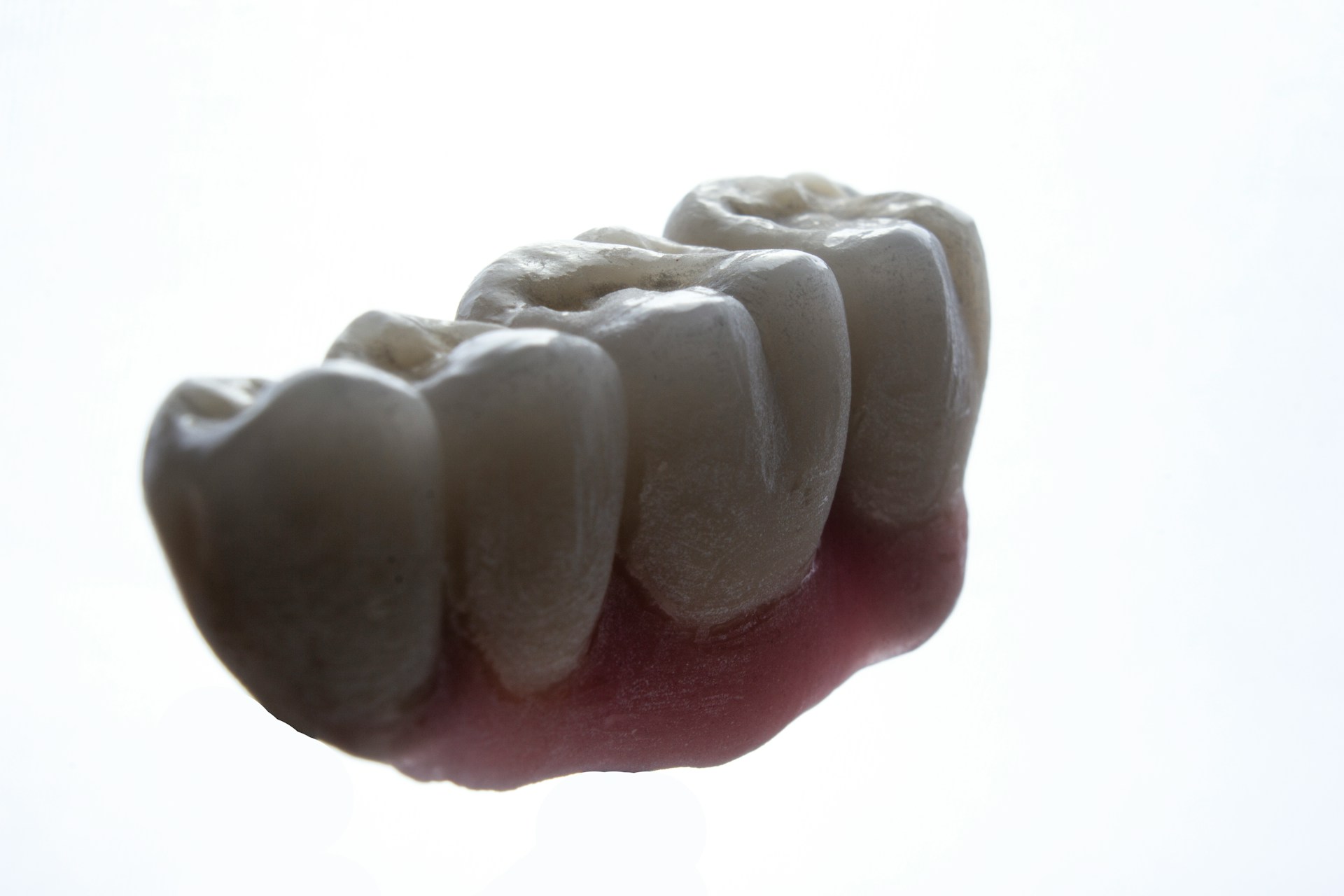
Here's the thing about the amalgam vs white filling debate: it's basically already been settled. Not by dentists arguing in journals, not by patients demanding better aesthetics, but by something far more mundane. The European Union banned amalgam from January 2025. Manufacturers are phasing it out. Supply chains are drying up. And most private dentists in the UK stopped offering it years ago anyway.
If you're researching which filling type to choose, you're likely to find that choice has already been made for you. The vast majority of dental practices in the UK now use white composite as their standard material. Amalgam still exists in some settings, particularly for certain clinical situations, but it's become the exception rather than the rule.
That said, understanding the actual differences between these materials is still useful. Millions of people have amalgam fillings in their mouths right now. Some are wondering whether to replace them. Others are just curious about what that grey metal in their back teeth actually is. And if you do find a practice that still offers amalgam, knowing what separates the two materials helps you make an informed decision.
The short version: white composite fillings are tooth-coloured and bond straight to your tooth, while amalgam is the older grey metal sort that has to be locked into place mechanically. Nearly every private dentist in the UK now fits white composite as standard, and at UrgentCare Dental fillings start from £149.
Here's how the two stack up at a glance, so you can see the differences in a couple of seconds:
| What matters | Amalgam (silver) | White (composite) |
|---|---|---|
| Appearance | Grey metal, shows in the mouth | Tooth-coloured, blends right in |
| Tooth preserved | Less: healthy tooth gets carved away so it can lock in | More: it bonds to the tooth you keep |
| Durability | Around 10 to 15 years | A decade or longer with modern materials |
| Temperature stability | Expands and shrinks with hot and cold | Stays stable through hot coffee and ice cream |
| Mercury | Roughly 50% mercury by weight | None at all |
| Typical UK cost | £90 to £160 | £150 to £250 (from £149 at UrgentCare Dental) |
Now let's get into what's actually behind each of those differences, and why the choice has landed where it has.
What Each Filling Type Actually Is
Amalgam is a metal alloy. It's roughly half mercury mixed with a powder of silver, tin, copper, and sometimes zinc. This combination creates a material that's been used in dentistry for over 175 years. When placed, it's soft and mouldable, then hardens into something remarkably durable.
White composite is a mixture of plastic resin and fine glass particles. The exact formulation varies between manufacturers, but the basic principle is the same: a tooth-coloured material that bonds chemically to your tooth structure.
These two materials behave completely differently in your mouth. Amalgam is held in place mechanically, meaning your dentist has to create undercuts in the cavity, essentially carving out healthy tooth structure so the filling can lock into place. Composite bonds adhesively, attaching directly to your enamel and dentine through a chemical process. This bonding approach allows dentists to preserve more of your natural tooth.
The Cost Difference
White composite fillings typically cost between £150 and £250 at private dentists across the UK. Amalgam, where it's still available, runs cheaper: around £90 to £160. That £50-100 price gap has historically been the main reason people chose amalgam over composite, particularly for back teeth where nobody would see the silver colour.
But here's what those headline prices don't capture. Composite fillings can often be repaired rather than replaced. If part of a white filling chips or wears down, your dentist can frequently add new material onto the existing filling. Amalgam doesn't work that way. If an amalgam filling fails, the whole thing typically needs to come out and be replaced from scratch.
Over a ten to fifteen year period, a composite filling that gets one repair might cost roughly the same as an amalgam filling that needs full replacement. The upfront savings from amalgam can disappear once you factor in the lifetime cost of maintaining the restoration.
Longevity Compared
This is where the picture gets genuinely complicated. The standard claim is that amalgam fillings last 10-15 years while composite fillings last 5-10 years. Those numbers come from older studies, and they're worth examining carefully.
Amalgam's durability comes from its metal composition. The material withstands heavy chewing forces exceptionally well. Back molars, the teeth that do the hardest work in your mouth, have traditionally been where amalgam performed best.
But composite materials have improved dramatically over the past two decades. Modern composites are significantly stronger and more wear-resistant than the formulations from the 1990s and 2000s that produced those shorter lifespan statistics. A composite filling placed today with proper technique can realistically last a decade or longer.
The key phrase there is "proper technique." Composite placement is more technique-sensitive than amalgam. The tooth needs to stay completely dry during placement. The material goes on in layers, with each layer hardened using UV light. This takes longer and requires more precision. A rushed composite filling placed in less-than-ideal conditions might fail sooner than a carefully placed one.
For most people getting fillings at a competent private practice, that technique difference is a non-issue. The dentist doing your filling has almost certainly placed hundreds or thousands of composites and knows how to get good results.
The Temperature Problem
Metals expand when they heat up and contract when they cool down. Your amalgam fillings do this every time you drink hot coffee or eat ice cream.
Over years of daily temperature cycling, this constant expansion and contraction can create microscopic stresses in the surrounding tooth structure. Some teeth with old amalgam fillings develop hairline cracks, particularly around the edges where the filling meets the natural tooth.
Composite doesn't have this issue. The material stays dimensionally stable regardless of temperature. A filling placed today will be the same size and shape ten years from now, assuming normal wear. No expansion, no contraction, no stress on the surrounding tooth.
This difference becomes more significant the larger the filling is. A small amalgam filling in a relatively thick tooth might never cause problems. A large amalgam filling that replaces a substantial portion of the tooth structure puts more stress on what remains.
The Mercury Question
Amalgam contains mercury. This is simply a fact. The material is approximately 50% mercury by weight.
Dental authorities worldwide, including in the UK, maintain that the amount of mercury released from amalgam fillings is too small to cause health problems in the vast majority of people. Studies have generally supported this position. The NHS still considers amalgam a safe material where it's used.
However, there are exceptions. Amalgam is already restricted for certain groups, including children under 15, pregnant women, and breastfeeding mothers. These restrictions exist because these populations are considered potentially more vulnerable to mercury exposure.
Beyond the official restrictions, plenty of people simply prefer not to have mercury in their mouths. This isn't necessarily a medical judgment; it's a personal preference. If you're one of those people, composite eliminates that concern entirely. The material contains no mercury whatsoever.
Why Most Dentists Have Already Switched
Walk into almost any private dental practice in the UK and ask for a filling. You'll be offered composite. You might not even be given a choice. This shift happened gradually over the past decade, but it's now essentially complete.
Several factors drove this change. Patient preference played a role: most people would rather have tooth-coloured fillings than silver ones when given the option. Advances in composite materials made the performance gap smaller. The ability to bond composite to tooth structure allowed for more conservative cavity preparations.
But the EU's 2025 amalgam ban accelerated everything. Even though the UK isn't bound by that regulation following Brexit, the impact on supply chains and manufacturing affects everyone. Many amalgam manufacturers have stopped production entirely. The material is becoming harder and more expensive to source, even in countries where it remains technically legal.
Environmental concerns also contributed. Mercury is toxic to ecosystems. Dental amalgam contributes to mercury pollution in wastewater, even with amalgam separators in place. Crematoria release mercury vapour from fillings in deceased patients. As awareness of these environmental impacts grew, the push toward mercury-free dentistry gained momentum.
When Amalgam Might Still Make Sense
In certain clinical situations, amalgam has genuine advantages that composite can't match. Very large cavities in back teeth, particularly those involving multiple surfaces, are one example. Situations where moisture control is difficult are another. Some patients with extremely high bite forces might be better served by amalgam's superior compressive strength.
Dentists who still offer amalgam typically reserve it for these specific scenarios rather than using it as a default material. If your dentist suggests amalgam for a particular tooth, there's usually a clinical reason behind that recommendation.
That said, these situations are genuinely rare. The overwhelming majority of cavities can be treated effectively with modern composite materials. Most people will never encounter a situation where amalgam is clearly the better choice.
Replacing Existing Amalgam Fillings
If you have amalgam fillings in your mouth, you're not required to do anything about them. These fillings can continue functioning for years or even decades. Removing a sound amalgam filling that's causing no problems exposes you to a burst of mercury vapour during the removal process and means drilling away healthy tooth structure to make room for the new filling.
Replacement makes sense when an existing filling is failing, whether that's visible decay around the edges, cracks in the tooth, or symptoms like sensitivity or pain. At that point, you're getting the filling replaced anyway, and opting for composite rather than new amalgam is a straightforward choice.
Some people choose to replace functional amalgam fillings for cosmetic reasons, particularly in teeth that show when they smile. Others replace them because they'd rather not have mercury in their mouths regardless of what the official safety guidance says. These are valid reasons. Just understand that elective replacement isn't medically necessary in most cases.
If you do have amalgam fillings removed, ask about safe removal protocols. Techniques like rubber dam isolation and high-volume suction help minimise mercury exposure during the procedure.
What This Means for Your Next Filling
If you need a filling in 2026, you're almost certainly getting composite. That's not a limitation; it's genuinely the better choice for most people. You're getting a tooth-coloured restoration that bonds to your tooth structure, preserves more healthy tooth, stays temperature-stable, and contains no mercury.
The cost is slightly higher than amalgam would have been, but not dramatically so. Composite fillings at UrgentCare Dental start at £149 for smaller cavities and go up to £349 for larger restorations. That price includes everything: the examination, X-rays if needed, anaesthetic, and the filling itself.
The filling will be colour-matched to your natural teeth, so it essentially disappears once it's placed. Most fillings take 30 to 45 minutes. You can eat and drink normally once the anaesthetic wears off.
Common Questions About Amalgam and White Fillings
Why don't dentists use amalgam anymore?
A few things happened at once. The European Union banned amalgam from January 2025, so manufacturers have been winding down production and the material is getting harder and pricier to source. On top of that, most people much prefer a tooth-coloured filling to a grey metal one, and modern composite bonds to the tooth while amalgam has to be locked into a spot that gets carved out for it. Put all of that together and composite simply became the natural default.
Do most dentists use white fillings now?
Yes, almost universally. Walk into nearly any private practice in the UK and ask for a filling, and you'll be offered composite, often without even being given a choice. The change happened gradually over the past decade and it's essentially complete now, which is why finding a dentist who still reaches for amalgam by default has become the rare exception rather than the rule.
Are white fillings as strong as amalgam?
They're much closer than they used to be. Those old figures that had composite lasting only 5 to 10 years came from the formulations of the 1990s and 2000s, and the materials have improved dramatically since then. A composite filling placed today with proper technique can realistically last a decade or more, because the modern resins are far stronger and more wear-resistant than the early versions that gave composite its shorter-lived reputation.
Should I replace my old amalgam fillings?
Only if they're actually failing. A sound amalgam filling that's causing no trouble can keep working for years, and taking it out just exposes you to a burst of mercury vapour and means drilling away healthy tooth for no real gain. Replacement makes sense when there's decay creeping in around the edges, a crack, or symptoms like sensitivity or pain, because at that point the filling is coming out anyway and choosing composite over new amalgam is the easy call.
The Bigger Picture
The amalgam vs composite debate generated decades of research, clinical arguments, and patient anxiety. But like many debates, it was ultimately resolved not by finding the perfect answer but by circumstances making one option the clear default.
Modern composite materials work well enough for the vast majority of situations. The aesthetic advantage is real. The mercury concern, whether you consider it medically significant or not, is eliminated. The bonding approach preserves more tooth structure. And the material is available, affordable, and familiar to every practising dentist.
Amalgam served dentistry well for over a century. But its time has passed. If you're getting a filling at a private dentist in the UK today, you're almost certainly getting composite, and that's exactly as it should be.
Want the real number for your case?
An article can only give you a range. The £20 appointment gets you a fixed quote from a dentist who has actually looked. Extractions from £149, implants £1,999, and 0% finance on treatments over £500.
Or see every price on one page →