Emergency Dental
Lost a Filling? Here's What Actually Happens Next (And What It Costs)


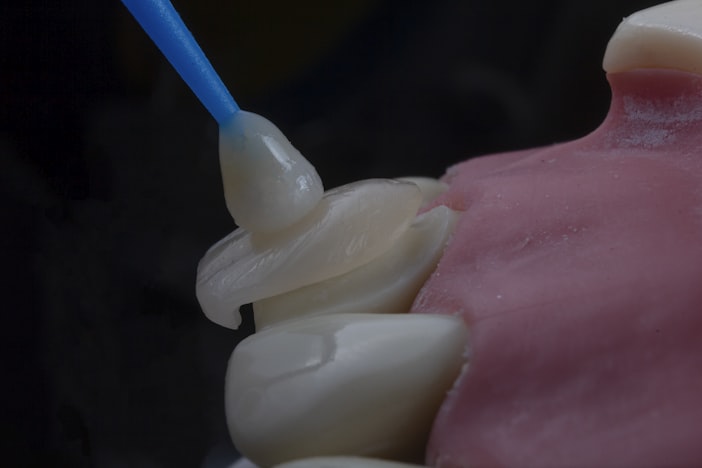
You're eating something perfectly ordinary, maybe a sandwich, maybe a biscuit, and suddenly there's a weird crunch that doesn't belong. Then your tongue finds it: a hole. Right there in your tooth where something used to be.
Your filling just fell out. And now you're running your tongue over this strange little crater, and it feels enormous, and everything about this moment is unsettling.
Take a breath. You're completely fine.
That probably sounds like the kind of thing people say when things aren't fine, so let's get specific. A lost filling is one of the most common things that happens in dentistry, it's one of the easiest things to fix, and you almost certainly have more time than you think before you need to do anything about it.
The quick version, if you just want to know what to do right now: rinse your mouth gently with warm salt water to clear any debris, avoid chewing on that side, and press a temporary filling kit from Boots or Superdrug (around £5 to £8) into the gap to keep it covered. Then book a normal dental appointment within the next few days, sooner if you have throbbing pain that won't settle, can see dark decay in the hole, or a large piece of tooth came away with the filling.
The First Thing Worth Knowing
Here's what's actually happening in your mouth right now: the tooth underneath that filling is exposed. The inner layer of tooth, called dentin, is softer and more sensitive than enamel. That's why you might feel a sharp zing when cold air hits it, or when you drink something hot. That sensitivity is your tooth saying "hey, there's supposed to be something here." It's not damage. It's just the tooth being a tooth without its protective cover.
The dentin isn't in immediate danger. Bacteria need time to do anything meaningful, and "time" in this context means weeks, not hours. A day or two without a filling, or even a bit longer, isn't going to cause a catastrophe. You have a window.
Which is genuinely good to know when it's 9pm on a Wednesday and you're wondering whether this counts as a dental emergency.
So, Is This Actually an Emergency?
Honestly? For most people, no. And that's a relief.
A lost filling becomes urgent in a few specific situations. If there's throbbing pain that won't settle. If you can see dark decay in the cavity. If a large chunk of tooth came out with the filling. Those things change the conversation, and calling an emergency dentist is the right move.
But if you're sitting there with a sensitive tooth and a little hole that feels bigger than it probably is, you've got time to book a normal appointment within the next few days. The world hasn't ended. Your tooth is just... waiting for its hat back.
What You Can Do Right Now
There's a whole aisle in Boots and Superdrug that exists precisely for this moment. Temporary filling kits, things like DenTek Temparin or Dentemp, cost about £5-£8 and they're brilliant for what they are.
You knead a small piece of the material, press it into the cavity, bite down gently, and it sets. That's it. You've just given your tooth a temporary cover that'll keep food out, reduce sensitivity, and buy you as much time as you need to get to a dentist properly. It's not a permanent fix, and it's not trying to be. It's a placeholder, and it does the job beautifully.
Some people use clove oil on the exposed tooth for the sensitivity. The eugenol in clove oil is genuinely effective; it's actually one of the ingredients dentists use in temporary cements. A cotton bud dabbed with a drop of it, placed directly on the sensitive bit, takes the edge right off. You can find it in most pharmacies for a couple of pounds.
What Happens at the Dentist
Walking into the appointment, here's what the process looks like.
The dentist checks the cavity. If the old filling simply detached and the tooth underneath is healthy, this is about as straightforward as dental work gets. Clean the cavity, place a new filling, done. You're in and out in 30-45 minutes.
If there's new decay underneath where the old filling was sitting, that needs cleaning out first. The filling will be a bit bigger this time to cover the extra ground, and the appointment takes a little longer. But the process is the same.
And then there's the scenario nobody wants but is worth knowing about: if decay has reached the nerve. This is what happens when a lost filling gets left for months rather than days. At that point, a root canal enters the picture, and the cost jumps significantly. It's the main reason not to put things off indefinitely, even though you do have time.
What This Actually Costs
Replacing a lost filling is one of the most affordable things in dentistry. A white composite filling at a private dentist runs £100-£300, depending on the size and which tooth it is.
Here's how it breaks down:
A small filling on a front tooth sits at the lower end, around £100-£150. A larger filling on a molar, where more material and more time are involved, pushes toward £200-£300. Most lost fillings fall somewhere in between.
On top of the filling itself, there's the appointment fee. Most private dentists charge £50-£120 for an examination, and if you're already registered with a practice, some will fold the check into the filling appointment rather than charging separately.
If you've had a filling done recently and it's fallen out within 12 months, it's worth calling the practice that did it. Many dentists will replace it at no extra cost as part of a guarantee on their work. That's a conversation worth having before you book elsewhere.
Emergency Appointments vs. Regular Bookings
Here's something that saves people real money: if your lost filling isn't causing you pain and you can get a temporary kit from the pharmacy, booking a regular appointment rather than an emergency slot makes a noticeable difference to the bill.
An emergency dental appointment runs £50-£150 just for the emergency slot, before any treatment. A regular booking avoids that premium entirely.
So the temporary filling kit isn't just about comfort. It's a £5 purchase that can save you £50-£100 by giving you the breathing room to book normally instead of rushing in.
Why Fillings Fall Out in the First Place
This is genuinely interesting, because it's almost never about the dentist doing a poor job.
Fillings are bonded to tooth structure, and that bond is strong, but it's working in one of the most hostile environments in the human body. Constant moisture. Temperature swings from ice cream to hot tea. Thousands of pounds of biting force over the years. Acidic foods slowly undermining the edges of the bond.
Composite fillings last 7-10 years on average. Amalgam (the silver ones) last 10-15 years. After that, the seal between the filling and tooth starts to break down, and eventually something gives. It's not a failure; it's a material reaching the end of its working life. Like brake pads on a car. They're meant to be replaced.
Sometimes fillings fall out sooner. Grinding your teeth at night is a big one, because it puts extraordinary lateral force on fillings they weren't designed for. Very large fillings are more vulnerable too, simply because there's less tooth structure holding them in place.
And sometimes, very occasionally, a filling falls out because there's new decay undermining it from below. That's the one situation where what's underneath matters more than the filling itself.
Common Questions About a Lost Filling
How long can I leave a lost filling?
Longer than you'd fear, though not forever. The tooth underneath is exposed rather than in any immediate danger, and bacteria need weeks to cause real trouble, not hours. A few days, or even a little longer with a temporary kit protecting the gap, is usually completely fine. The thing that turns a simple lost filling into a bigger job is leaving it for months, so book within a reasonable window and the whole thing stays in easy, affordable territory.
What happens if you lose a filling?
The soft inner layer of the tooth, called dentin, gets uncovered, which is why you might feel a sharp zing with cold air or a hot drink. That sensitivity is just the tooth missing its protective cap, not a sign that anything is broken. Left open for a long stretch, the cavity gives bacteria a runway to reach deeper, which is the one scenario worth heading off. Covered up and seen within a few days, it stays one of the simplest fixes in dentistry.
What are the symptoms of a broken or lost filling?
Most people feel it before they see it: a sudden odd crunch, a rough edge your tongue keeps finding, or a little crater where something smooth used to be. Sensitivity to cold, heat, or sweet things is common, because the dentin underneath is now exposed. Sometimes a piece of the old filling is still rattling around your mouth. None of that is an emergency on its own, although throbbing pain, visible dark decay, or a large chunk of tooth coming away are the signs to get seen sooner rather than later.
Why does my tooth filling hurt after a week?
A little lingering sensitivity while the tooth sits exposed is normal, especially to temperature. If the ache is settling down day by day, that's simply the tooth being without its cover for a while. If it's the other way round, pain that's throbbing, building, or keeping you up at night a week on, take that as your cue to get the tooth looked at rather than wait it out, since it can mean decay has reached deeper or the nerve is involved.
What do I do if my filling fell out and I can't afford a dentist?
The immediate part costs very little: a temporary filling kit from any pharmacy is around £5 to £8 and protects the tooth straight away. When you're ready to get it seen, our emergency dental assessment is £20, which gets the tooth checked and X-rayed and gives you a firm price before anything happens. Finance options can also spread a bigger fix over manageable monthly instalments, so cost doesn't have to be the thing that stops you sorting it.
The Bigger Picture
A lost filling feels alarming in the moment. That sudden hole, the sensitivity, the worry that something serious just happened. But the reality is overwhelmingly reassuring: this is common, it's fixable, and the cost is modest.
The only thing that turns a simple lost filling into a bigger problem is time. Weeks and months of an exposed cavity give bacteria the runway they need to cause real trouble. Days? You're fine. Just get it sorted within a reasonable window, and the whole thing stays simple and affordable.
At UrgentCare Dental, we see lost fillings constantly. It's one of those things that feels much more dramatic from the inside of your mouth than it actually is. And that gap between how scary it feels and how straightforward it is to fix? That's genuinely one of the nicest bits of reassurance we get to give people.
Broken tooth or lost filling? Usually a quick fix.
£20 emergency appointment today. These are among the quickest repairs we do, and you'll know the exact price before anything starts.
Or see every emergency treatment, with prices →