Oral Hygiene
Water Flosser vs Traditional Floss: Which One Actually Works Better?


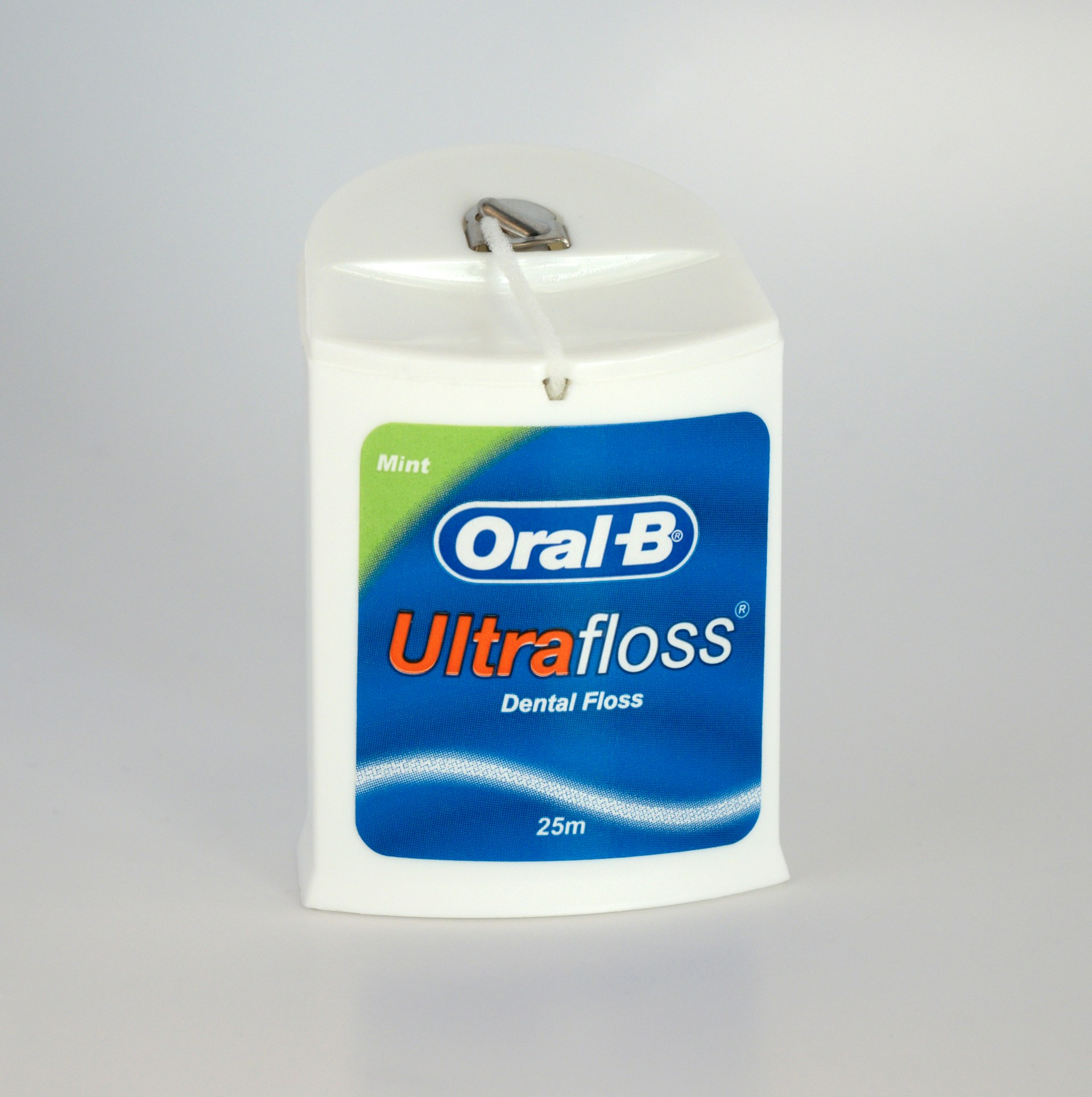
Here's something that might surprise you: the water flosser versus string floss debate isn't really a competition at all. They're doing slightly different jobs.
String floss physically scrapes plaque off tooth surfaces. Water flossers blast away food particles and flush bacteria from below the gumline. One isn't simply "better" than the other. They're complementary tools that happen to share the same bathroom shelf.
But if you're standing in Boots wondering whether to drop £50 on a Waterpik, or you've been handed a pack of dental floss by your hygienist and thought "I'm never going to use this," you deserve actual answers. What does the research say? Which one will make the bigger difference to your mouth? And can you get away with using just one?
Is a water flosser better than flossing?
For everyday plaque between healthy teeth the two are genuinely close, but a water flosser pulls clearly ahead for bleeding gums and for cleaning around braces, bridges and implants, while string floss keeps its edge for scraping off plaque that has already stuck fast. So the honest answer for most people isn't one or the other: using both gives you the cleanest mouth, and if you'll only ever keep up one habit, the best tool is simply the one you'll actually reach for every day.
| Water flosser | String floss | |
|---|---|---|
| Everyday plaque | Very good | Very good, with good technique |
| Bleeding gums | Best, up to twice as effective | Good |
| Braces, bridges, implants | Excellent, reaches awkward spots | Fiddly, needs threaders |
| Scraping stuck-on plaque | Good | Best, that physical scraping |
| Ease of technique | Forgiving | Takes practice |
| Cost | £25-£100 upfront | £2-£5 a pack |
What the Research Actually Shows
The clinical evidence here is genuinely interesting.
A 2024 systematic review looking at studies from the past decade found that the majority favoured water flossers over string floss for plaque removal. One widely-cited study measured a 29% greater plaque reduction with water flossers compared to traditional floss after a single use. That's a meaningful difference.
Water flossers performed particularly well in hard-to-reach interproximal areas, the tight spaces between teeth where cavities love to form. The pressurised water penetrates spots that string floss simply can't access as effectively, especially if your teeth are crowded or you have dental work like bridges or implants.
But here's where it gets nuanced. String floss has a scraping action that water can't replicate. When plaque has properly adhered to the tooth surface, that physical contact matters. Water flossers excel at flushing loose debris and disrupting developing biofilm, while string floss mechanically removes the sticky stuff that's already attached.
For gum health specifically, water flossers pull ahead even more dramatically. Research published in the British Dental Journal found water flossing up to twice as effective as string floss at reducing gum bleeding within two to four weeks. If your gums bleed when you floss, that statistic alone might be worth paying attention to.
How Water Flossers Work
A water flosser uses a pressurised stream of pulsating water, typically operating between 50 and 90 PSI, to clean between teeth and along the gumline. The pulsation does two things: it dislodges food particles and plaque, and it massages the gum tissue to improve circulation.
The clever bit is that water can reach slightly below the gumline into the gingival sulcus, the small pocket where the gum meets the tooth. String floss can clean this area too, but requires proper technique that many people never quite master. Water flossers are more forgiving of imperfect form.
Most units have adjustable pressure settings. Starting low and working up is sensible, particularly if your gums are already inflamed. The sensation takes getting used to, sort of like a very targeted, slightly aggressive rinse, but most people find it oddly satisfying once they've adjusted.
Countertop models with larger reservoirs offer more continuous cleaning, while cordless versions trade capacity for portability. Either works fine for home use. The reservoir typically holds enough water for about 60 to 90 seconds of flossing, which is plenty for a thorough clean.
How String Floss Works
Traditional floss is beautifully simple. A thin strand of nylon or PTFE gets worked between teeth in a C-shape, physically scraping both sides of each tooth to remove plaque and debris.
The technique matters more than people realise. Sawing back and forth at the gum does nothing useful and can cause damage. The floss should curve around each tooth and slide up and down against the surface, including slightly below the gumline. Done properly, it takes about two to three minutes to floss an entire mouth.
Waxed floss slides more easily between tight contacts. Unwaxed floss technically has more friction for plaque removal, though the practical difference is minimal. PTFE floss, the silky kind, resists shredding better and works well for crowded teeth or rough restoration edges.
The advantage string floss has over water flossers is that scraping motion. For plaque that's had time to really stick to the tooth surface, physical removal is more effective than hydraulic disruption. This is why many dental professionals still consider string floss the gold standard for preventing gum disease.
The Cost Comparison
String floss costs essentially nothing. A pack of 50 metres runs about £2 to £4 and lasts months for most people. Even the fancy PTFE varieties rarely exceed £5.
Water flossers require an upfront investment. Budget cordless models start around £25 to £35. Mid-range options from established brands like Waterpik or Oral-B typically run £50 to £80. Premium countertop units with multiple tips and pressure settings can reach £100 or more.
The ongoing costs for water flossers are minimal. Replacement tips cost a few pounds and last several months. Electricity usage is negligible. Some people add a splash of mouthwash to the reservoir, which technically increases the cost slightly, but that's optional.
Over a five-year period, string floss might cost £30 to £50 total. A decent water flosser with occasional tip replacements might cost £80 to £120. The difference isn't nothing, but it's also not dramatic for something you use daily.
The real question is whether the water flosser leads to better compliance. If you're genuinely going to floss every day with string floss, it's the more economical choice. But if the water flosser means you'll actually use it consistently instead of letting that floss packet gather dust, the extra cost pays for itself in avoided dental treatment.
Who Benefits Most from Water Flossers
Certain situations make water flossers particularly valuable.
People with braces find them transformative. An independent clinical study showed water flossers with orthodontic tips were up to three times as effective at removing plaque around brackets compared to brushing and string flossing combined. The pressurised water gets into all those tiny spaces around wires and brackets that string floss simply cannot reach without specialised threaders and considerable patience.
Anyone with dental implants, bridges, or crowns will often find water flossers easier to use around their dental work. The water cleans underneath bridge pontics and around implant abutments more effectively than floss in many cases.
Those with limited dexterity benefit enormously. Arthritis, tremors, or any condition affecting fine motor control makes traditional flossing genuinely difficult. Water flossers require less precise manipulation.
Sensitive or bleeding gums often respond better to water flossing initially. The gum irritation that makes people abandon string floss is less of an issue with adjustable water pressure. Once gum health improves, some people successfully transition to string floss, while others stick with water flossing permanently.
Who Benefits Most from Traditional Floss
String floss remains excellent for people with healthy, normally-spaced teeth who've already developed good technique. If you're already flossing effectively every day, there's no compelling reason to switch.
Travel makes string floss more practical. A small container fits anywhere. Water flossers, even cordless models, take up luggage space and need charging. For short trips, most people just pack floss.
The scraping action of string floss provides more definitive plaque removal when biofilm has had time to adhere properly. For people prone to heavy plaque buildup, that mechanical action offers something water alone can't fully replicate.
Budget constraints also matter. If the upfront cost of a water flosser is a genuine barrier, string floss used consistently will absolutely maintain good oral health. Perfect shouldn't be the enemy of good.
The Both Together Approach
Here's what many dental professionals quietly recommend: use both.
Water flosser in the morning for a quick, thorough flush that catches breakfast debris and wakes up the gums. String floss at night for that mechanical plaque removal before bed when you have more time. This combination addresses the strengths of each tool while covering their respective weaknesses.
The morning water floss takes about a minute. The evening string floss takes two to three minutes. Neither adds significant time to your routine, and together they provide more comprehensive cleaning than either alone.
If using both feels excessive, prioritise based on your situation. Braces, implants, or dexterity issues? Water flosser is probably your primary tool. Healthy teeth, good technique, tight budget? String floss handles the job beautifully.
What About Electric Flossers and Air Flossers?
Electric flossers vibrate to make string flossing easier. They're essentially motorised floss holders that do the back-and-forth motion for you. Useful for dexterity issues, but they don't fundamentally change the flossing equation.
Air flossers use bursts of air and water droplets rather than a continuous stream. They're faster but generally less effective than traditional water flossers. Research suggests they fall somewhere between string floss and water flossers in terms of plaque removal, essentially a compromise in all directions.
Interdental brushes deserve mention too. For larger gaps between teeth, these tiny bottle-brush style tools often outperform both floss and water flossers. Many people with varying gap sizes use interdental brushes where they fit and floss or water flosser elsewhere.
Practical Tips for Either Method
Floss or water floss before brushing, not after. This loosens debris and plaque so your toothbrush and toothpaste can actually reach the tooth surfaces. Brushing first just pushes things around.
Consistency beats intensity. Gentle daily flossing or water flossing does more for your mouth than aggressive weekly sessions. The goal is disrupting bacterial colonies before they cause damage, which requires regular intervention.
Expect some bleeding initially if you haven't been flossing regularly. This typically resolves within a week or two as gum inflammation reduces. Bleeding that persists beyond two weeks warrants a dental checkup to rule out underlying gum disease.
For water flossers, lukewarm water is more comfortable than cold. Some people add a small amount of antibacterial mouthwash to the reservoir, though plain water works perfectly well.
For string floss, use a fresh section for each tooth gap. Reusing the same dirty section just redistributes bacteria. A piece about 45 centimetres long, wound around your fingers with a few centimetres working length, handles the entire mouth.
Frequently Asked Questions
Can a water flosser replace string floss?
For many people, especially anyone with braces, implants or dexterity trouble, a water flosser can absolutely be their main tool, because it reaches awkward spots that string floss struggles with. The one thing it doesn't fully replicate is the physical scraping that lifts plaque which has properly stuck to the tooth. So it can replace floss, but the very best results still come from the two working together.
Do dentists recommend water flossers?
Yes, plenty do, particularly for patients with gum bleeding, orthodontic work or bridges and crowns, because the evidence on gum health is genuinely strong. Many dentists still rate string floss as the gold standard for scraping plaque, though, which is why the common advice is to use both rather than pick a side. The tool that helps most is the one you'll use consistently.
Which is better for bleeding gums?
Water flossers have the clear edge here, with research in the British Dental Journal finding them up to twice as effective at reducing gum bleeding within two to four weeks. The gentle, adjustable pressure is far kinder to sore, inflamed gums than string floss, which is often what makes people give up on flossing altogether. If your gums bleed, that alone can be reason enough to try one.
Do you still need to brush if you use a water flosser?
Always, because flossing of any kind and brushing do different jobs, and neither covers for the other. Water flossing or string flossing loosens and flushes what's between the teeth, while brushing cleans the broad surfaces and delivers fluoride toothpaste. The winning routine is to floss or water floss first, then brush, so nothing gets left behind.
The Bottom Line
Water flossers and traditional floss both work. The research slightly favours water flossers for plaque removal and strongly favours them for gum bleeding reduction, but string floss used properly remains highly effective.
The best tool is whichever one you'll actually use every day. For many people, that's a water flosser. The ease, the gentleness, the slightly satisfying gadget-factor all contribute to better compliance. Others prefer the simplicity and portability of string floss.
Both cost far less than treating the problems they prevent. Gum disease treatment runs into the hundreds. Fillings and root canals cost even more. A £50 water flosser or a £3 pack of floss is genuinely cheap insurance.
At UrgentCare Dental, we see the results of good home care and the consequences of neglect. We'd rather talk to you about which flossing method suits your teeth than treat the problems that develop when people don't floss at all. If you're unsure what your mouth needs, book a checkup and we'll give you honest guidance based on what we actually see.
Need Emergency Dental Care?
Same-day appointments from just £20. Open 24 hours, 7 days a week.
Or see every treatment we offer, with prices →