Composite Bonding
Can You Whiten Your Teeth After Composite Bonding?


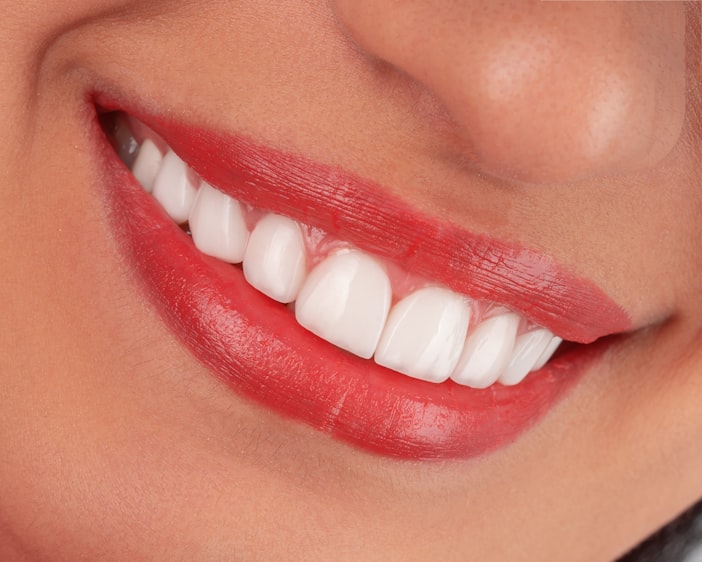
Here's the short, honest answer before we dig in, because it saves a lot of heartache: you can whiten your natural teeth after bonding, but the bonding itself won't budge a shade, so whitening afterwards can leave you with a patchy, mismatched smile. The trick is all in the order you do things, and getting that order right is genuinely the whole game.
So let's walk through it together. Why bonding refuses to whiten, what happens if you whiten in the wrong order, the sequence we'd actually recommend, and how to keep your bonding looking bright for years. Get this right and you end up with an even, natural glow rather than a set of teeth that don't quite match.
Why Composite Bonding Won't Whiten
Whitening works by soaking into your natural tooth and lifting stains out from within, a bit like a stain remover drawing a mark out of a shirt. Composite bonding is a tooth-coloured resin we sculpt onto your tooth, and here's the key difference: resin isn't porous the way natural enamel is, so the whitening gel simply has nothing to soak into and lift. It sits on the surface and does nothing.
That's why bonding holds whatever shade it was set at on the day it was placed. It doesn't get whiter with gel, and it doesn't respond to the whitening strips or trays that brighten your real teeth. Understanding this one fact is what stops the classic mistake, because once you know the resin can't be whitened later, the sensible order becomes obvious.
The Mismatch Trap
Picture what happens if you whiten in the wrong order. Say you've got some bonding on your front teeth, and a year later you decide to whiten because your teeth have dulled a touch. The whitening lifts your natural teeth several shades brighter, the bonding stays exactly where it was, and now the resin looks noticeably darker and yellower than the teeth around it. Nothing has gone wrong with the bonding at all, it just didn't move while everything around it did.
This is the mismatch trap, and it's the single most common regret we hear about with whitening and bonding. The fix is annoying, because the only way to even it back out is to replace the bonding at your new, whiter shade. That's real, avoidable cost and hassle, and it all comes down to sequence. Which is exactly why the next bit matters so much.
The Right Order: Whiten First, Bond Second
Here's the golden rule that makes everything simple: whiten your natural teeth first, let them settle, then have your bonding matched to that fresh, brighter shade. That way the resin is colour-matched to teeth you're already happy with, and the whole smile sits in harmony from day one.
The reason we let the whitened teeth settle for a couple of weeks before bonding is a nice practical one. Teeth can look their absolute brightest immediately after whitening and then relax back a little as they rehydrate, so waiting means we match your bonding to your true, stable colour rather than a fleeting peak. Get that timing right and the match is spot on. Our guide to teeth whitening covers how the whitening part works, and at UrgentCare Dental it's £549 in the chair or £349 for a custom take-home kit, either of which sets you up perfectly before any composite bonding goes on at £199 a tooth.
Already Have Bonding? You Still Have Good Options
Now, plenty of people find this page after they've already had bonding done, so let's not leave you stuck. You can absolutely still whiten your natural teeth, you just go in with your eyes open and a plan for the bonding afterwards.
The usual approach is to whiten your natural teeth to the shade you want, and then, once they've settled, replace or refresh the bonding to match the new colour. Because bonding is meant to be topped up over time anyway, as we explain in how long composite bonding lasts, timing your whitening to line up with a bonding refresh can actually work out neatly rather than feeling like a chore. It turns two jobs into one well-planned appointment.
Keeping Bonding Bright Once It's Done
Since your bonding can't be whitened later, looking after its colour matters, and the good news is it's easy. Composite is a touch more porous than porcelain, so the same things that stain a white shirt (coffee, red wine, tea, curry and cigarettes) can slowly dull it over the years if you let them, and yes, vaping stains bonding too, just more slowly and sneakily since there's no tar involved.
None of that means living like a monk. It just means the ordinary stuff pays off: rinse with water after strongly coloured drinks, keep up your normal brushing, and let us give the bonding a professional polish now and then to lift surface dullness and bring the shine back. Treat it kindly and it holds its fresh colour beautifully, and you'll find the full picture of what changes the cost of it in our composite bonding cost guide.
Your Questions, Answered Straight
Will whitening strips damage my composite bonding?
They won't damage it, they just won't do anything to it either. Strips and gels only work on natural enamel, so the resin stays exactly the shade it was, which is fine in itself. The only real risk is ending up with natural teeth that are now brighter than the bonding, leaving you with a mismatch to sort out afterwards.
How long should I wait to bond after whitening?
Usually around two weeks. Teeth can look their brightest right after whitening and then settle back slightly as they rehydrate, so a short wait lets us match your bonding to your true, stable colour. Rush it and the match can end up a shade off once your teeth relax, so the little pause is well worth it.
Can I whiten just the natural teeth around my bonding?
Whitening naturally only affects the natural teeth, since that's all it can work on, so in a sense yes. The catch is you can't control it to stop exactly at the bonding's shade, so you may whiten past it and create a mismatch. That's why planning to refresh the bonding afterwards is the sensible way to do it.
Does bonding stain more than natural teeth?
A little, because composite is slightly more porous than tooth enamel, so it can dull over the years from coffee, wine and the like. It's very manageable with normal care and the odd professional polish, and unlike a stain on a natural tooth, a dulled bit of bonding can simply be refreshed rather than whitened.
The Simple Next Step
The easiest way to get a bright, even smile without any mismatched surprises is to have someone plan the order with you from the start. Our £20 emergency and assessment appointment includes X-rays and a proper look, and from there we'll map out whether to whiten first, when to bond, and exactly how to get the shade you're after across your whole smile.
That's the honest heart of it. Bonding won't whiten, so whiten your own teeth first and match the resin to that brighter shade, and if you already have bonding, just plan to refresh it after whitening. Do it in that order and you get a smile that's bright and beautifully matched, with none of the patchy surprises.
Ready for Your Dream Smile?
Composite bonding from £199, veneers from £695. 0% finance available on treatments over £500.
Or see all our cosmetic treatments, with prices →