Dental Crowns
Why Do Dentists Push Crowns? An Honest Look


Let's just say the quiet bit out loud, because you deserve honesty more than reassurance: a crown does earn a dental practice more than a filling, so if you've ever wondered whether one was recommended a little too eagerly, that's a completely fair thing to wonder. The good news is that a crown is also, genuinely and often, the right thing for a tooth, and once you know how to tell those two situations apart, the suspicion melts away.
So we're going to be properly open with you here. Why crowns get suggested, when they truly are the best option, when a gentler fix would have done, and the simple questions that let you know the difference yourself. No spin, because trust is worth more to us than any single crown.
First, What a Crown Actually Does
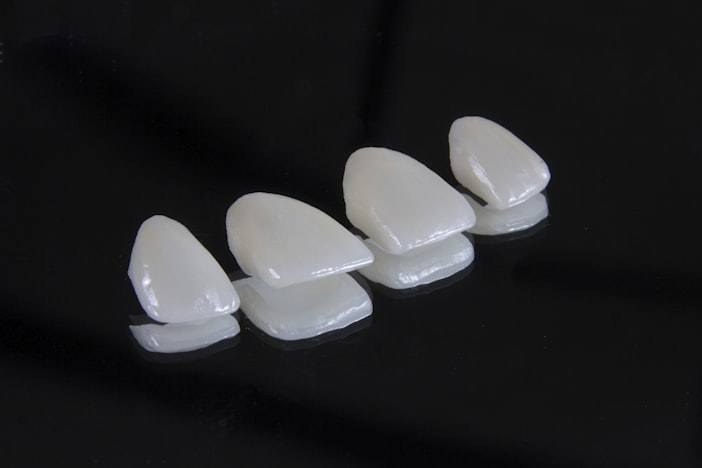
A crown is a custom-made cap that covers a whole tooth, wrapping it like a helmet rather than just filling a hole in it. That's the key picture to hold. A filling plugs a gap in an otherwise sound tooth, while a crown surrounds and holds together a tooth that's lost too much of itself to stay strong on its own. We go through the full comparison in crown versus filling, because knowing which job you actually need is the heart of this whole question.
The reason that distinction matters is simple. A tooth with a small area of decay needs a filling, and dressing it up with a crown would be overkill. But a tooth that's cracked, heavily broken down, or hollowed out by a big old filling can split if you only patch it, and then you're facing losing it altogether. So the crown isn't a fancy upsell in those cases, it's the thing that saves the tooth.
The Honest Bit: Yes, Crowns Are More Profitable
We're not going to pretend the money side doesn't exist, because you already know it does. A crown involves more work, lab-made porcelain, and more chair time, so it costs more than a filling, and that means it brings a practice more too. Pretending otherwise would insult your intelligence. You can see what a crown runs to in our crown cost guide, and it's a meaningful sum.
Here's the thing that should reassure you, though. The fact that crowns are more profitable is exactly why it's worth understanding when they're truly needed, not a reason to assume every crown is a con. Most dentists recommend crowns because teeth genuinely need them, and a good one would honestly rather do the right, smaller treatment and keep you as a happy patient for twenty years than sell you a crown you didn't need and lose your trust the moment you found out. A practice built on honesty makes far more over a lifetime than one built on overselling. That's just good sense, quite apart from being the decent way to work.
When a Crown Is Genuinely the Right Call
There are a handful of situations where a crown really is the best tool for the job, and knowing them helps you nod along confidently rather than feel railroaded. A tooth that's cracked and at risk of splitting needs the wrap-around support a crown gives, because a filling can't hold a fracturing tooth together. A tooth that's had a root canal often needs one too, since it becomes more brittle afterwards and a crown protects it from snapping. And a tooth that's more filling than tooth at this point, with very little natural structure left, has run out of room for another filling to grip.
In all of those, the honest reason for the crown is protection, not profit. The alternative isn't "a cheaper filling that works just as well," it's "a patch that fails and a tooth you then lose," which ends up costing far more in the end. When a crown is preventing a much bigger, more expensive problem down the line, it's earning its price. You can read about the different kinds and what they suit in our guide to types of dental crowns.
When a Crown Might Be Over-Recommended
Now the flip side, told just as plainly. A crown can be more than a tooth needs when there's still plenty of healthy structure and only a modest amount of decay or damage. In those cases a white filling often does the job perfectly well while keeping more of your natural tooth intact, and preserving your own tooth is nearly always the better long-term move.
A small crack that isn't threatening the tooth, a chip that's mostly cosmetic, or a first-time cavity that hasn't spread far are the sorts of things where it's worth pausing and asking whether a crown is really necessary yet. Sometimes the answer is genuinely yes, and sometimes a smaller fix, kept an eye on over time, is the wiser path. The point isn't that a dentist suggesting a crown here is trying it on, it's that you're allowed to ask, and a good dentist will happily explain their reasoning.
The Questions That Cut Through It
Here's how to feel in control of any crown conversation, and honestly, a trustworthy dentist welcomes every one of these. Ask what would happen if you had a filling instead, and listen for a real, specific answer about the risk rather than a vague "it's just better." Ask whether the tooth is cracked or root-treated, because those are the clearest crown-justifying reasons. Ask how much natural tooth is left, since that's often the deciding factor. And ask what happens if you wait a little, because a good dentist can tell you honestly whether waiting is safe or risky for your particular tooth.
If the answers are clear, specific and about your tooth, you're in good hands. If they're hand-wavy or make you feel rushed, that's your cue to slow down and, if you like, get a second opinion. There's never any harm in one, and a confident dentist won't be remotely bothered by you seeking it. Being asked to explain the plan is not an insult to a good clinician, it's just part of the job.
Your Questions, Answered Straight
Are dentists always trying to upsell crowns?
No, most crown recommendations are honest calls for teeth that genuinely need protecting. It's true that crowns are more profitable, so the suspicion is understandable, but a good dentist's reputation and your long-term trust are worth far more than one oversold crown. The way to feel sure is to ask why a crown over a filling, and judge whether the answer is specific to your tooth.
Can I get a filling instead of a crown?
Sometimes yes, and it's a completely reasonable thing to ask. If your tooth still has plenty of healthy structure and the damage is modest, a filling may do the job while keeping more of your natural tooth. If the tooth is cracked, root-treated or mostly missing, a filling won't hold, and a crown becomes the safer choice. The honest answer depends entirely on how much tooth is left.
Why does my tooth need a crown after a root canal?
Because a root-treated tooth becomes more brittle over time, a bit like old dry wood, and it can crack under normal chewing without the wrap-around support a crown gives. In that situation the crown is genuinely protecting your investment in the root canal, since a split tooth afterwards often can't be saved. It's one of the clearest cases where a crown really does earn its keep.
How do I know if my dentist is being honest?
Ask direct questions and see if the answers are direct back. A trustworthy dentist will happily explain exactly why a crown over a filling, point to the crack or the missing structure, and never make you feel rushed into deciding. If anything feels vague or pressured, a second opinion costs you little and buys you real peace of mind, and no good dentist will mind you getting one.
The Simple Next Step
If you've been told you need a crown and you'd like an honest, no-pressure look at whether that's really the best path for your tooth, come and see us. Our £20 emergency and assessment appointment includes X-rays and a proper examination, and we'll tell you plainly what your tooth needs, whether that's a crown, a filling, or simply keeping an eye on it for now.
That's the whole honest answer to why dentists push crowns. Sometimes it's because the tooth truly needs one and a crown is what saves it, and occasionally it's worth asking whether a smaller fix would do. Ask the questions, weigh the answers, and you'll always know the difference for yourself.
Want the real number for your case?
An article can only give you a range. The £20 appointment gets you a fixed quote from a dentist who has actually looked. Extractions from £199, implants £1,999, and 0% finance on treatments over £500.
Or see every price on one page →