Dental Fillings
How Long Do Fillings Last? Lifespan by Type, and When They Need Replacing


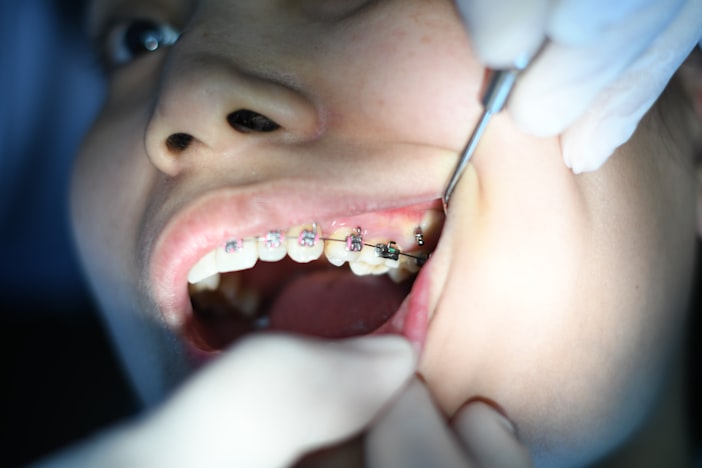
You know what's sort of amazing about fillings? They sit inside your mouth, surrounded by saliva, blasted with hot coffee and ice cream, crushed under 70kg per square centimetre of chewing force, colonised by literally billions of bacteria, and they just... work. For years. Sometimes decades. That's a genuinely impressive piece of engineering for something your dentist placed in under an hour.
But they don't last forever, and at some point your tongue starts finding a rough edge it didn't notice before, or cold water starts zinging a tooth that's been quiet for years. So: how long have you actually got?
The short version: most fillings last somewhere between 7 and 15 years, and the exact number really comes down to four things: the material they're made from, how big the filling is, where it sits in your mouth, and how well you look after it. The white composite ones average 7-10 years, silver amalgam runs 10-15, and the lab-made gold and ceramic options can quietly last for decades.
Here's how the main materials stack up at a glance, so you can find yours in a couple of seconds:
| Filling type | Average lifespan | What pushes it up or down |
|---|---|---|
| Composite (white) | 7–10 years | 15+ years for small, low-stress fillings; nearer 5–7 for large ones on molars |
| Amalgam (silver) | 10–15 years | plenty comfortably go past 20 |
| Glass ionomer | 5–7 years | releases fluoride, but wears faster |
| Ceramic inlay/onlay | 10–15 years | lab-made, with the best aesthetics |
| Gold inlay/onlay | 15–30 years | the longest-lasting of the lot |
Now let's get into what those numbers actually depend on, and how to land at the top end of your range rather than the bottom.
How Long Different Filling Types Last
Composite (white) fillings, which is what most people get these days, last 7-10 years on average. Small ones in low-stress spots can cruise past 15 years. Large ones on molar biting surfaces, the teeth doing all the heavy lifting, sometimes need replacing after 5-7. At UrgentCare Dental, composite fillings run from £149 to £349 depending on size and location.
Amalgam (the silver ones) last longer: 10-15 years on average, and plenty go 20+. They're tougher, more tolerant of moisture, more forgiving if the placement technique isn't absolutely perfect. Large amalgam fillings in molars routinely outlast composite in the same position.
At the premium end, gold inlays and onlays last 15-30 years, which is extraordinary. Ceramic inlays and onlays sit at 10-15 years with much better aesthetics. Both are made in a lab and cemented in, rather than packed directly into the tooth. And glass ionomer, which gets used for specific situations like fillings near the gum line or in baby teeth, lasts 5-7 years. It releases fluoride, which is a nice bonus, but it wears faster than composite or amalgam.
Why Fillings Eventually Fail
Here's the fascinating part: fillings almost never fail because the filling itself falls apart. They fail because of what happens at the edges.
The junction between filling and tooth is a seam. Over thousands and thousands of chewing cycles, that seam develops microscopic gaps. Bacteria move in. Decay starts undermining the filling from its margins. The filling is sitting there perfectly fine, completely intact, but the tooth around it is quietly failing. Bigger fillings have more margin length, more seam, more opportunity for this to happen, which is why small fillings outlast big ones so consistently.
Once those micro-gaps open up, secondary decay follows. New decay at the filling margins accounts for 50-60% of all filling replacements. Same mouth, same diet, same bacteria: the conditions that caused the first cavity keep working at the edges of the repair.
Sometimes the filling itself cracks under repeated stress, especially large composite fillings on molars that absorb heavy chewing forces year after year. And composite wears down gradually on the biting surface, losing height and contour over time. It wears faster than enamel, which means the bite shifts subtly as the filling surface flattens.
Composite can also debond entirely if the adhesive connection to the tooth fails. Unlike amalgam (which is mechanically wedged into the cavity by its shape), composite holds on purely through its adhesive bond. If that bond goes, the filling loosens or drops out.
Signs a Filling Needs Replacing
Your tongue is your best early warning system. It can detect surface changes of 0.01mm, which is why a tiny chip in a filling feels absolutely enormous. A rough edge, a step where there wasn't one before: that's your tongue telling you the margin has broken down.
A zing from hot, cold, or sweet in a filled tooth is another early clue. The seal has been compromised and fluid is reaching the dentin beneath, tickling the nerve. Pain when biting can mean a crack in the filling, a crack in the tooth underneath, or decay that's reached the nerve.
Sometimes a filling just falls out. Exposed dentin is vulnerable to sensitivity, decay, and fracture, so that's worth getting seen within days rather than weeks.
And sometimes there are no symptoms at all. Decay developing silently at the margins shows up on a routine X-ray long before it produces any pain or sensitivity. That alone is a pretty good argument for regular check-ups: catching a failing filling early is the difference between a simple replacement and a much bigger job.
What Makes Some Fillings Last Longer Than Others
Filling size is the single biggest factor, and it's closely tied to location. A small filling in a premolar can cruise past 15 years without breaking a sweat. A large filling replacing most of a molar's biting surface has more margin to fail, more stress to absorb, and a realistic expectation of 5-7 years. Front teeth fillings outlast molar fillings because the forces on them are so much lower.
Teeth grinding changes the maths dramatically. Someone who grinds at night subjects their fillings to forces many times greater than normal chewing. Bruxism shortens filling lifespan across the board, but it's particularly brutal on composite fillings in molars.
Oral hygiene and diet work the same way here as everywhere else in dentistry. Thorough brushing and flossing removes the bacteria that would otherwise colonise the filling margins and start new decay. Frequent sugar, acidic drinks, and snacking between meals create exactly the environment that promotes decay at those edges. The conditions that caused the first cavity keep operating at the margins of the repair, so changing those conditions genuinely extends the filling's life.
Placement technique matters too, though that's the dentist's domain. Composite fillings are technique-sensitive: moisture contamination during placement, not enough curing light, improper layering, all of these can weaken the bond and shorten the lifespan. Amalgam is more forgiving, which partly explains its longevity advantage.
What Happens When a Filling Fails
Most of the time, it's a straightforward replacement. Old filling out, any new decay cleaned away, new filling in. If the cavity hasn't grown much, it's the same procedure as the original, just slightly larger. Similar cost too.
Sometimes the cavity has grown enough that a filling won't cut it anymore. A tooth that's more filling than tooth is structurally vulnerable, and that's when a crown comes into the conversation. The crown covers the whole tooth, providing structural support that a filling alone can't. That's £650 at UrgentCare Dental.
The third trajectory is root canal territory. If decay beneath a failing filling has reached the nerve, the tooth needs root canal treatment to clear the infection, and then a crown on top. That's £600-£1,400 for the root canal plus the crown. A filling replacement caught early costs £149 to £349. The same tooth, left until the decay reaches the nerve, costs £1,250-£2,050. Timing really does matter.
How to Make Fillings Last Longer
Regular check-ups catch failing fillings in the replacement window rather than the root canal window. An X-ray every 12-24 months monitors the margins for early decay.
A night guard for anyone who grinds is one of the best investments going. The cost (£100-£300) is a fraction of the premature filling replacements it prevents.
At UrgentCare Dental, the dental check-up includes assessment of every existing filling, with X-rays to spot early marginal issues. When replacement is needed, the options (composite fillings from £149, crowns at £650) are laid out clearly before any work begins.
Fillings are temporary solutions to permanent problems, and that's perfectly fine. They buy time, and the amount of time they buy, 7 years or 20, depends on the material, the size, the mouth they live in, and the care they get. Knowing the expected lifespan takes the surprise out of it. Not if a filling will need replacing, but when, and being ready when that time comes.
Common Questions About How Long Fillings Last
How often do fillings need to be replaced?
It depends almost entirely on the material and the size. As a rough guide, composite (white) fillings tend to need attention around the 7-10 year mark, amalgam often goes 10-15 years or more, and the lab-made gold and ceramic options can run far longer. Small fillings in gentle spots outlast big ones on hard-working molars every time, so two people can have very different timelines and both be completely normal.
How long do white fillings last?
White composite fillings average about 7-10 years. A small one in a low-stress tooth can happily sail past 15, while a large one rebuilding most of a molar's biting surface might be nearer 5-7, simply because it's soaking up more force and has more edge where things can start to go. Looking after it, gentle brushing, flossing, easing off the sugary snacking, genuinely stretches that number.
Do teeth with fillings eventually fall out?
A filled tooth is still very much your own tooth, and having a filling doesn't doom it to falling out. What can happen is the filling itself loosens or drops out over time, or new decay creeps in at the edges, and if that's left unchecked for a long while the tooth can weaken. The reassuring part is that catching a tired filling early, usually on a routine X-ray before it ever hurts, is exactly what keeps the tooth where it belongs.
Is replacing a filling painful?
For most people it feels much like having the original one done. The area is fully numbed first, so you'll notice pressure and movement rather than pain, and swapping an old filling for a fresh one is usually a quick, routine visit. If there's more going on underneath, your dentist will always talk you through it before starting, so nothing comes as a surprise.
Which type of filling lasts the longest?
Gold inlays and onlays are the long-distance champions, often lasting 15-30 years, with ceramic not far behind on both longevity and looks. They're made in a lab and cemented in rather than packed straight into the tooth, which is part of why they hold up so well. That said, the best filling for you is about far more than lifespan alone: the tooth, its position, the look you're after, and your budget all come into it.
How many fillings are normal to have by 30?
Honestly, there's no magic number, and comparing yourself to a friend won't tell you much. Some people reach 30 with none at all, others have a handful, and it comes down to genetics, diet, and the dental care they had growing up rather than anything they did wrong. What matters far more than the count is keeping the fillings you have healthy and catching any new decay early.
Need Emergency Dental Care?
Same-day appointments from just £20. Open 24 hours, 7 days a week.
Or see every treatment we offer, with prices →