Wisdom Teeth
Wisdom Teeth Removal Recovery: A Day-by-Day Timeline of What to Expect


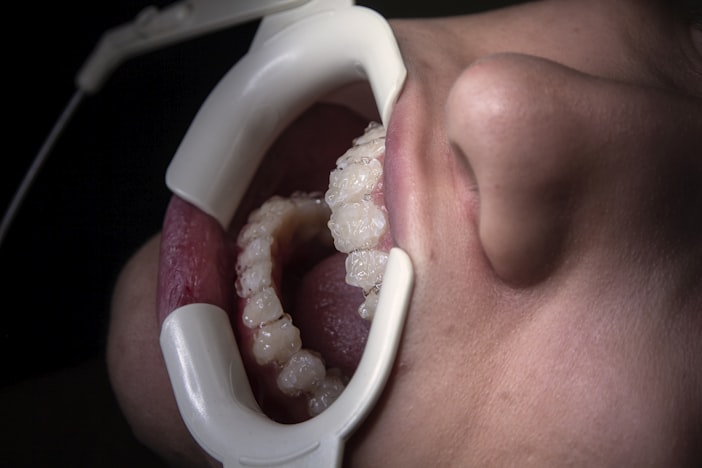
The tooth is out, your face is still numb, and one question is about to run your entire week: is this normal? Nearly always yes, and here is exactly what each day looks like so every new sensation arrives already labelled.
The short version: most people are back to normal life in about a week. The swelling peaks around 48 hours, day three feels like nothing is moving, day four is where you turn the corner, and by day six or seven the painkillers become optional. Underneath, the socket takes longer than you do: the gum closes over across one to two weeks, and the bone quietly fills back in over roughly six to eight weeks, which you never feel happening at all.
Here is the whole thing at a glance, so you can find today and see what belongs to it.
| When | What's normal | What helps |
|---|---|---|
| Day 1 | Numb face, a bit of oozing, the clot forming | Painkillers taken early, a cold compress, soft food, head propped up |
| Day 2 | Swelling at its peak, stiff jaw, the deepest soreness | Cold compress, gentle salt water from today, nothing that needs chewing |
| Day 3 | Feels stuck: swelling still up, an odd taste, tiredness | Patience, salt water rinses, keep the food soft |
| Day 4 | The corner: swelling drops, the ache steps down | Gentle chewing comes back, the stronger stuff usually isn't needed |
| Day 5 | Mild soreness only, energy returning | Ordinary painkillers if you want them, still nothing crunchy |
| Days 6 to 7 | Painkillers optional, socket covered over | Normal brushing again, most foods back on the menu |
| Week 2 onwards | Gum closed, no real tenderness | Nothing at all: the bone finishes quietly over 6 to 8 weeks |
Wisdom teeth removal follows a remarkably predictable pattern, which is why knowing it in advance takes so much of the worry out. You stop asking "is this normal?" and start thinking "ah yes, day two, the hamster phase."
A quick word before we start: this is the wisdom-tooth version of the week, where the teeth sit furthest back and the jaw takes more of a knock. If the tooth you had out was somewhere else in your mouth, our guide to tooth extraction healing walks through the same days for an ordinary extraction.
Day 1: The Day It Comes Out
The local anaesthetic usually wears off two to four hours after the procedure. While it's still working your face belongs to somebody else, drinking takes real concentration because your lip doesn't quite know where the cup is, and your tongue keeps wandering back to the socket.
The trick most people wish they'd known: get painkillers on board before the numbness has fully gone. Ordinary painkillers from the chemist, taken as directed on the packet, carry this day well for most people, and if your dentist sent you home with something stronger, theirs is the advice that wins. Starting while you can still feel nothing means the soreness turns up to find the door already guarded, arriving as a background ache rather than a jolt.
There'll be some blood, and it looks like far more than it is, because a teaspoon of it turns a mouthful of saliva dramatically red. Changing the gauze every 30 to 45 minutes for the first few hours is normal, and by the evening it usually settles to a slight ooze.
What to eat today: soft and simple. Yoghurt, soup cooled to warm rather than hot, mashed potato, scrambled eggs, a smoothie from the cup. Most people reach for the softest thing in the fridge, which is exactly the right instinct, and our guide to eating after a tooth extraction has the fuller shopping list.
What helps: a cold compress against the cheek, twenty minutes on and twenty off, because cold narrows the blood vessels so less fluid gathers in the tissue. And prop yourself up on an extra pillow at bedtime, because keeping your head above your heart means less pooling overnight and a friendlier face in the morning.
What to avoid, and why: the blood clot forming in the socket is the most important thing happening in your mouth right now. It caps the exposed bone, shields the nerve endings in the socket wall, and gives new tissue something to grow across, so the whole avoid list is really one instruction wearing different hats. No straws, because the suction pulls directly at the clot. No smoking, because the chemicals slow clotting down and drawing on a cigarette is suction all over again. No vigorous rinsing or forceful spitting, because the pressure wave can wash a young clot straight out. And no poking with your tongue, which is genuinely hard and genuinely worth it.
Day 2: When the Swelling Peaks
This is usually the hardest day of the week, and knowing that in advance helps more than you'd think, because the worst day is a day you can count down from.
Swelling reaches its maximum around 48 hours. If all four came out in one sitting, both cheeks puff up and you look like you're storing acorns for winter. It's a good look on a hamster. Less so on a human. It's entirely temporary, and it's your immune system flooding the area with what it needs rather than anything going wrong.
Your jaw will feel stiff and opening wide is uncomfortable, because the muscles were held open during the procedure and the tissue around them is inflamed. Bruising sometimes shows up today too, tracking along the jaw and cheek and occasionally towards the neck. It looks alarming, it's harmless, and it fades over the week the way any bruise does.
What to eat today: still soft, and the temptation to try something more substantial is real. Resist it one more day, because the site is raw and anything needing proper chewing puts pressure on a clot that has only just settled in.
What helps: the cold compress is still doing good work, and gentle warm salt water rinses are generally advised from now on. A teaspoon of salt in a mug of warm water, moved gently around the mouth and allowed to fall out rather than spat, keeps the area clean without any force involved. Follow your own dentist's timings if they gave you different ones, and if they gave you something stronger for the pain, today is the day it earns its keep.
What to avoid, and why: the same list as yesterday, because the clot is only two days old. Crunchy things are worth avoiding for a while yet as well, since fragments and seeds lodge easily in a socket that hasn't closed over.
Day 3: The One That Feels Stuck
Day three is, honestly, the boring one. The swelling may still be at or near its peak, the soreness hasn't let up, you're tired of soft food, and nothing seems to be moving. It's the day people ask about most, and the day your body gives you the least to look at.
The good news hides inside the reason it feels stuck: your body has poured its resources into the site and is doing the work under the surface, where you can't see it. Feeling wiped out today is common too, partly because healing is tiring and partly because you've been living on yoghurt. It lifts as you turn the corner.
You may notice an odd taste around now, slightly stale or metallic. That's normal: there's a healing wound in your mouth, and healing wounds taste of something. Salt water helps. And if you had dissolvable stitches, they're still intact and doing their job, so you can probably feel them with your tongue.
What to eat today: still soft, but make it interesting rather than virtuous. Macaroni cheese, a proper soup, rice pudding, dhal. Being bored of your food is its own small misery and it's easily fixed.
What helps: patience, salt water, and knowing day four is coming.
What to avoid, and why: the urge to investigate. Day three is when people start prodding the socket with a finger or peering at it with a phone torch, and anything you disturb, you have to grow back. Day three is also where the dry socket window opens, and there's a calm, honest section on that further down the page.
Day 4 and Day 5: The Corner
And then something shifts.
Day four is where most people turn the corner, and it's noticeable enough that you can usually name the moment. The swelling starts coming down, the jaw loosens, the ache drops a notch, and the stronger painkillers generally stop being necessary.
Day five is the one people worry about, so here's the honest answer: yes, it's normal to still feel something. There's a wound in your jaw that's four days old, and four-day-old wounds are tender. What matters is which way it's heading. Soreness that's quietly easing is recovery behaving exactly as it should. Soreness that starts climbing back up is the one worth a phone call.
What to eat now: eating starts to feel like eating again. Pasta, flaked fish, well-cooked vegetables, a soft sandwich. If only one side was worked on, the other side is probably ready for something close to normal.
What helps: gentle movement. Talking, opening a bit wider each day, walking about. The jaw stiffens if it's held still, and easing it open little by little is what brings the range back.
What to avoid, and why: nuts, crisps, popcorn and crusty bread, because those sharp fragments are exactly the shape that wedges into a socket that hasn't closed yet. And smoking, worth holding off a few days more, because it remains the single biggest thing that turns an ordinary recovery into a painful one.
This is also the point where people who had it done on a Friday start thinking about Monday, and day four or five is the usual return to desk work.
Day 6 and Day 7: Nearly Back to Normal
By day six most people feel genuinely better. The swelling is visibly down and the soreness has faded to a minor awareness that something happened back there, so painkillers become optional. The socket is covered by a layer of soft tissue now, and while there's still a dip where the tooth used to be, the raw feeling of the first few days has gone.
What to eat now: almost anything. Normal eating comes back for most people in this window, with the only real exception being very hard or crunchy things, which can still irritate the site.
What helps: proper brushing again. You can bring the brush gently right up to the healing area now, keeping the bristles off the socket itself, because keeping the area clean is what stops food settling around a socket that's still knitting shut.
What to avoid, and why: heavy exercise for another day or two, because raised blood pressure can restart bleeding at a site that has only just stopped.
Dissolvable stitches start giving up around day seven to ten, with little pieces coming away while you're eating or rinsing. Slightly odd, entirely normal, and no cause to go looking for them.
Week Two and Beyond
Surface healing carries on quickly now. By two weeks the gum has closed a long way over the site, and while there's still a dip where the tooth was, it's covered with new tissue and no longer sensitive.
Underneath, the bone is regenerating too, and that takes roughly six to eight weeks, with the last of it settling over the months after that. You won't feel a second of it, and it's the reason the little depression gradually fills in until the area is smooth and flat.
By three or four weeks most people have forgotten the whole thing. The only reminder is running your tongue along the back of your mouth and noticing the space where a wisdom tooth used to crowd everything. Occasionally that space becomes its own food trap, so if the gum back there feels tender months later, it's almost always trapped debris rather than anything to do with a tooth that's long gone.
Dry Socket: Why Day 3 to Day 5 Is the Bit Everyone Worries About
The reason those two days carry all the worry is worth saying plainly. Dry socket is what happens when the clot is lost before the tissue underneath is ready, leaving bone and nerve endings uncovered, and the timing is the distinctive part: it turns up on day three, four or five, right where everything was supposed to be getting better. That reversal is the whole tell. Pain that was fading and then climbs, often reaching towards the ear or temple on the same side, is the pattern worth ringing about. Pain that keeps easing is not.
It's also less common than the internet suggests. Dry socket affects around 2 to 5% of ordinary extractions, and the rate climbs for impacted lower wisdom teeth, where the bone is denser and gravity works against the socket. Smoking is by far the biggest thing that puts anyone in that group, with straws, forceful rinsing and hard spitting making up the rest, so the overwhelming majority of people never meet it at all. If it does happen, the fix is quick and the relief close to immediate, and our full guide to dry socket after a tooth extraction covers what it feels like and what the appointment involves.
When It's Worth Ringing a Dentist
Almost everything on this page is a normal part of a normal week. These are the handful of things worth a phone call instead of a wait-and-see, because they're the ones a dentist would sooner look at than guess about.
Bleeding that won't settle after twenty minutes of firm, steady pressure on a fresh gauze pad. Pain that gets worse after day three instead of better, particularly if it starts reaching towards your ear. Swelling that keeps spreading once you're past the 48-hour peak. A fever, or feeling genuinely unwell alongside the mouth. A bad taste or smell that arrives together with pain. Or a jaw that still won't open enough to eat and drink properly by the end of the first week.
None of those is a diagnosis, and there's no sense sitting at home working out which one you've got. They're simply reasons to pick up the phone. One thing isn't a dental question at all: swelling that starts to affect your breathing or swallowing belongs at A&E, tonight.
At UrgentCare Dental our phones are answered 24 hours a day, every day, and same-day emergency slots run at all three clinics, in Leeds, Manchester and Bradford. An emergency assessment is £20 with X-rays included, so if something about your recovery doesn't feel right, somebody can look at it today instead of you spending another evening guessing.
What Recovery Actually Costs
The recovery itself costs almost nothing beyond a supermarket shop for soft food. Painkillers from the chemist are a few pounds, and the frozen peas are whatever frozen peas cost. The real cost, if there is one, is the one to three days most people take off work.
The extraction itself at UrgentCare Dental is £549 per wisdom tooth, with a combined extraction and sedation package at £695 for anyone who'd rather the whole thing passed without a memory of it. IV sedation comes with a dedicated sedation nurse, and our guide to sedation for tooth extractions explains what the different levels feel like. Follow-up reviews after treatment are free of charge, so the check that everything healed properly never appears on a bill.
Here's the whole picture at a glance, so you can see there really isn't much to it:
| What you might pay for | Cost |
|---|---|
| Wisdom tooth removal at UrgentCare Dental | £549 per tooth |
| Extraction with IV sedation (the bundle) | £695 |
| Emergency assessment (X-rays included) | £20 |
| Over-the-counter painkillers | A few pounds |
| Time off work | Most take 1-3 days |
If you want the fuller breakdown, including what having all four out in one go comes to, we've laid out what wisdom teeth removal costs in the UK in one place.
Common Questions About Wisdom Teeth Recovery
Why is day 3 the worst for wisdom teeth?
Day three lands badly because two things turn up together: the swelling is still sitting at or near its 48-hour peak, and the novelty of resting on the sofa has completely worn off. Nothing looks like it's improving, so the whole thing feels stuck. What's actually going on is invisible, because the repair work is happening under the surface where you can't watch it, and the visible turn usually arrives on day four when the swelling drops and the ache steps down a notch.
How many days should you rest after wisdom teeth removal?
One to three days is the usual, with day four or five the common return for desk work, because that's the point where the swelling comes down and the ache stops running your day. Physical and manual jobs tend to want another day or two on top, since straining lifts your blood pressure while the socket is still settling. Some people do go back the day after, especially after a straightforward upper extraction, though day two is the swelling peak and it's the day most people are glad they kept free.
How long does pain typically last after wisdom teeth removal?
The soreness is sharpest on day two, eases through days three and four, and has usually dropped to a background awareness by day five to seven, which is when painkillers become optional for most people. A little tenderness can linger another week or so, particularly if the tooth was an awkward one to get out, and that's ordinary too. What counts is the shape of the whole curve: pain that keeps falling is healing doing its job, and pain that starts rising again after day three is worth ringing about.
Is it normal to feel tired 3 days after tooth extraction?
Very common, yes. Your body is putting real energy into healing, you've been living on yoghurt and soup for three days, and a sore jaw makes for broken sleep, so the tiredness is coming at you from three directions at once. It generally lifts as you turn the corner around day four and your meals get more substantial. If it comes alongside a fever, or you feel genuinely unwell in yourself, ring your dentist so somebody can take a look.
When can I eat normally after wisdom teeth removal?
Most people are eating close to normally somewhere between day five and day seven: very soft food for the first two days, a little gentle chewing from day four, and most of the usual menu by the end of the week. Anything hard or crunchy is the one group worth holding back on longer, because an open socket collects small fragments very easily.
When can I brush my teeth after wisdom teeth removal?
You can brush the rest of your mouth as normal from the very first evening, and it's worth doing. The socket itself is the only spot to treat gently: keep the bristles off it for the first few days and let gentle salt water do the cleaning there, then bring the brush right up to the area around day six or seven. Go easy on rinsing and spitting early on, because the pressure can disturb the clot you're protecting.
The Bit That Makes It Worth It
There's a moment, usually around week two, when something clicks.
That crowded, tight feeling at the back of your mouth? Gone. That flap of gum that kept trapping food underneath it? Gone. That dull ache that flared up every few months? Gone.
A week of inconvenience buys a lifetime of not thinking about it, because the tooth that was causing trouble is now sitting in a surgical tray somewhere, smaller than you imagined, while your mouth has already started forgetting it was ever there.
If anything about your recovery doesn't match this page, ring us and we'll take a look. And if it does match, you're exactly where you're meant to be, and the whole thing is on its way to becoming a story you tell people: "it was honestly fine, I just ate a lot of soup."
Not healing the way it should?
Most recoveries are completely normal. If yours feels wrong, £20 gets it looked at properly today, and then you'll know. Free follow-ups whenever we did the treatment.
Or check what needs a dentist today, and what can wait →