Teeth Whitening
Professional vs Home Teeth Whitening: Cost, Results, and What Actually Works


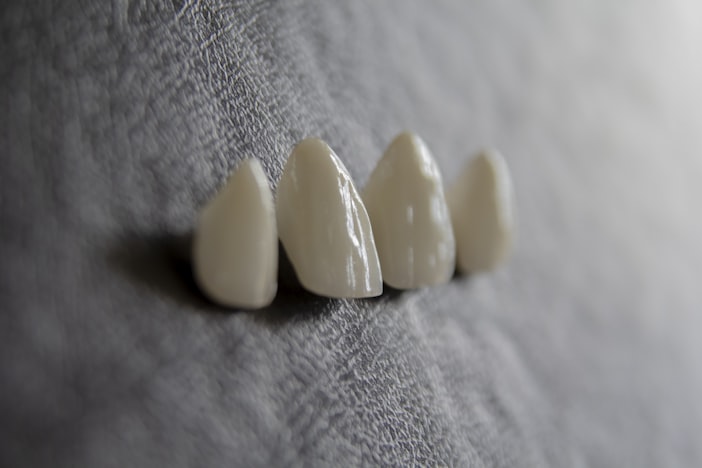
Professional whitening and the £30 kit from the chemist use the exact same chemistry. Same molecule, same reaction. Hydrogen peroxide breaks down pigmented compounds inside the enamel, and that's true whether it comes from a dental surgery or a box on the shelf. The entire difference between them comes down to concentration, and UK law creates a gap there that's, well, enormous.
Over-the-counter products in the UK are limited to 0.1% hydrogen peroxide. A dentist-dispensed take-home kit can go up to 6%. In-surgery professional whitening uses up to 35%. That's a 350x difference between the chemist shelf and the dental chair, which explains pretty much everything about why the results are so different.
What Professional Whitening Is Actually Like
The in-surgery version takes about 60-90 minutes. Your gums get protected with a barrier, a high-concentration gel goes onto the teeth, and it's applied in 2-3 rounds of 15-20 minutes each with fresh gel each time. The dentist watches the colour shift throughout, comparing against a shade guide, and the whole thing produces a 6-8 shade change in a single sitting. That's the kind of difference people notice in conversation, in photos, in the way the smile looks against the face. It's £549 at UrgentCare Dental, and across the UK teeth whitening costs run £400-£700.
The take-home professional option is a different experience but gets to the same place. The dentist makes custom-fitted trays from impressions of your teeth (thin plastic shells that fit precisely), and you wear them at home with professional-grade gel for 1-2 hours a day over 2-4 weeks. The result is 4-8 shades lighter, which is comparable to the in-surgery version; it just gets there gradually instead of all at once. At UrgentCare Dental that's £349, and the trays last for years, which becomes really useful later for cheap top-ups (more on that in a moment).
Some practices offer both together: an in-surgery session for the immediate wow, then take-home trays for fine-tuning and maintenance. Best of both worlds, if the budget allows.
What the Chemist Shelf Actually Gets You
Over-the-counter whitening strips stick to the teeth for 30-60 minutes a day over 1-2 weeks. At 0.1% hydrogen peroxide, they produce a subtle change of 1-3 shades, which is, honestly, sometimes barely perceptible. They also don't conform perfectly to every tooth surface, which can mean the middles of teeth end up lighter than the edges: an uneven result that draws attention for the wrong reasons. A box runs £20-£50.
Whitening toothpaste is a different thing entirely. The mild abrasives and low-concentration agents remove surface stains from coffee, tea, and wine, much like a professional EMS Airflow polish does more thoroughly, but they don't change the actual colour of the tooth underneath. Surface stains sit on top of the enamel; intrinsic discolouration is embedded within it. Toothpaste handles the first one. Only peroxide-based whitening handles the second. So the teeth might look a bit cleaner after a week, but the shade itself hasn't moved. That's £5-£15 per tube for what's really a polishing effect.
The Online Kits Warning
This part is genuinely important. Whitening products sold online, particularly from non-UK sources, sometimes contain peroxide concentrations that blow past UK legal limits. We're talking 25-35% hydrogen peroxide, delivered without dental supervision, without gum protection, without custom trays to ensure even application.
The price (£50-£150) sits between chemist kits and professional treatment, which makes them feel like a sensible middle ground. They're really not. Chemical burns to the gums from unprotected high-concentration peroxide can cause permanent damage: severe sensitivity, blotchy uneven results, gum tissue that doesn't recover. Dental practices see the aftermath of these kits regularly, and it's always the same story.
The Results Compared
| Method | Shade Change | How Long | Cost |
|---|---|---|---|
| In-surgery professional | 6-8 shades | 1 hour | £400-£700 |
| Take-home professional | 4-8 shades | 2-4 weeks | £250-£500 |
| OTC whitening strips | 1-3 shades | 1-2 weeks | £20-£50 |
| Whitening toothpaste | Surface only | Ongoing | £5-£15 |
That 6-8 shade change versus 1-3 is, to put it simply, the difference between a transformation people comment on and a change that's invisible to everyone except you.
What About Sensitivity?
Tooth sensitivity during and after whitening tracks directly with peroxide concentration, which makes sense when you think about it. In-surgery whitening at 35% produces temporary zingy sensitivity in most people: teeth feeling reactive to temperature, occasionally sharp little twinges. It lasts 24-48 hours and resolves completely, and the dentist applies desensitising agents straight after treatment to help.
The take-home kits are milder on this front because the concentration is lower. Sensitivity builds gradually over the treatment period, and wearing the trays for shorter sessions or taking a day off keeps it comfortable. The custom fit also means less gel contacting the gums, which reduces irritation.
OTC strips at 0.1% rarely cause meaningful sensitivity at all. The concentration just isn't high enough to challenge the enamel significantly.
People with naturally sensitive teeth, exposed root surfaces, or receding gums are more susceptible regardless of method, which is one of the reasons a dental check before whitening is worth doing.
What Whitening Won't Do
Whitening works beautifully on natural tooth structure that's uniformly discoloured from age, diet, or natural variation. That's where it really shines.
It won't touch dental restorations though. Fillings, crowns, veneers, and bonding stay exactly the colour they are, which means whitening natural teeth around visible bonding can leave you with a patchy mismatch if the order isn't planned properly. Worth knowing in advance.
Some types of staining respond differently too. Tetracycline staining (those dark horizontal bands from antibiotic use during childhood) needs extended treatment over months and the results are partial. Fluorosis (white spots from excess fluoride) can actually become more visible after whitening, because the surrounding enamel lightens but the spots stay put. And a grey tooth from a dead nerve or root canal doesn't respond to external whitening at all, since the discolouration is coming from inside. Internal bleaching is the answer for that one.
The Value Question
For a noticeable, lasting transformation, professional whitening delivers dramatically more per pound. £349 for the take-home kit at UrgentCare Dental is particularly strong value: professional-grade results achieved at home, plus custom trays that last years for touch-ups. A couple of nights wearing them every 6-12 months with fresh gel (£30-£50 per syringe) keeps the result going indefinitely. That works out to maybe £15-£50 a year to maintain a bright smile, which is, when you think about it, less than most people spend on coffee in a month.
Over-the-counter products play a supporting role alongside professional whitening. Whitening toothpaste removes daily surface stains and stretches the time between professional top-ups. Used alone, it's a polishing effect rather than a colour change.
And if budget is the deciding factor right now, OTC strips do provide a subtle improvement for £20-£50. It won't be dramatic, but for mild surface staining it might be enough.
Before Any Whitening
A dental check beforehand is worth doing regardless of method. Cavities need filling first (peroxide in an unfilled cavity is not a fun experience). Gum disease needs addressing. Existing restorations need noting. And the type of staining matters for predicting how well whitening will work.
At UrgentCare Dental, the whitening consultation covers all of this: shade assessment, the type of staining, realistic expectations, and which approach makes the most sense. In-office whitening is £549. Take-home is £349. Both include the full treatment and aftercare guidance.
The chemistry is the same whether it comes from a box or a dental surgery. The concentration, the supervision, the custom fit, and the results that follow from all three: that's where the difference lives.
Ready for Your Dream Smile?
Composite bonding from £199, veneers from £695. 0% finance available on treatments over £500.
Or see all our cosmetic treatments, with prices →